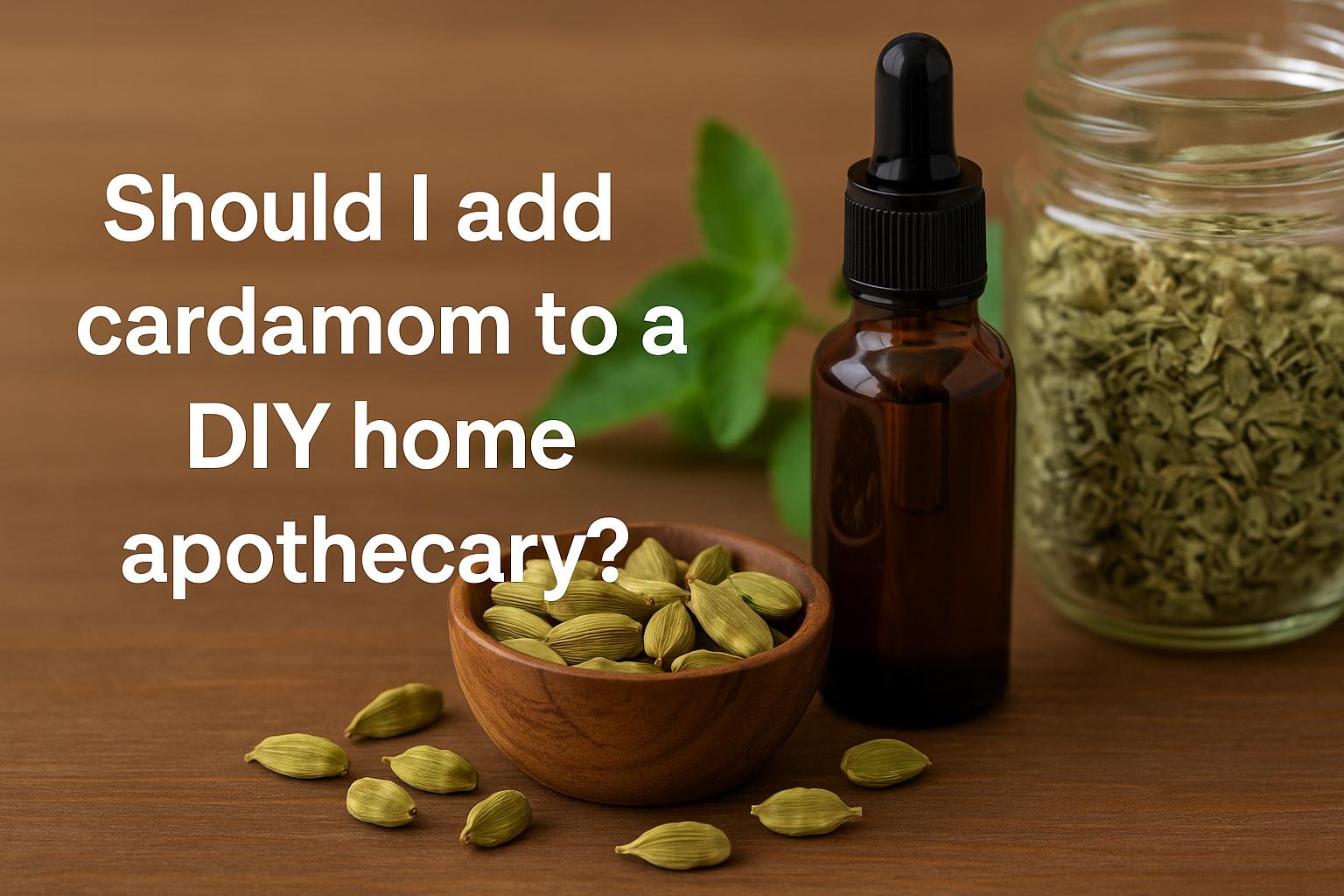
Should I add cardamom to a DIY home apothecary?
Yes, you should add cardamom to a DIY home apothecary because it supports digestion, boosts immunity, soothes the lungs, and enhances mood naturally. This versatile spice can be used in teas, tinctures, salves, oils, and sachets for a range of wellness needs, from easing colds and congestion to refreshing breath and aiding relaxation. Its long shelf life, safety for daily use, and compatibility with other herbs make cardamom an essential addition to any home remedy toolkit.
What are the benefits of adding cardamom to a DIY home apothecary?
Adding cardamom to a DIY home apothecary brings wide-ranging health, sensory, and functional benefits that support both internal and external wellness applications.
- Digestive support
Cardamom contains natural carminatives that help relax the stomach muscles and improve digestion. It reduces gas, bloating, and indigestion by stimulating the production of bile and gastric juices, making it useful in post-meal herbal formulations. - Antioxidant activity
Rich in polyphenols and flavonoids, cardamom helps combat oxidative stress in the body. These compounds protect cells from damage and support the longevity of herbal mixtures, especially tinctures and oils, when cardamom is included. - Natural breath freshener
Its antimicrobial and aromatic compounds neutralize odor-causing bacteria in the mouth. Cardamom is often chewed or added to DIY breath sprays, herbal tooth powders, and mouth rinses to promote oral hygiene. - Respiratory relief
Cardamom is known for easing congestion and aiding respiratory function. It acts as a mild expectorant, making it valuable in cold-care herbal teas, chest salves, or steam inhalations. - Mood-balancing effects
Its essential oil contains cineole and linalool, which help regulate mood, calm the nervous system, and reduce feelings of fatigue or irritability. Cardamom can be used in apothecary products such as roll-on oils or aromatherapy inhalers for stress relief. - Appetite regulation
Traditionally used to stimulate a weak appetite, cardamom can be included in herbal tonics and bitters that aim to balance metabolism or assist in convalescence from illness. - Versatility in apothecary formats
Cardamom can be integrated into teas, oils, tinctures, powders, capsules, salves, and culinary blends. Its shelf stability and multi-functional properties make it a foundational spice in any home remedy kit. - Mild, non-toxic profile
It’s gentle enough for regular use, with very few contraindications, making it suitable for most age groups when used appropriately. This supports its inclusion in daily-use formulations like calming teas or digestion aids.
Is cardamom safe to use regularly in homemade apothecary remedies?
Cardamom is widely regarded as safe for consistent use in home apothecary preparations, provided that it’s used in appropriate dosages and stored correctly to maintain potency.
- Generally recognized as safe (GRAS)
Cardamom is classified as GRAS by the U.S. FDA, which means it can be used safely in foods and herbal remedies. When used in common culinary or therapeutic amounts, it poses no known health risks to the average person. - Safe for internal use in small doses
Daily consumption in teas or tinctures (up to 1 gram of ground seed or 1–2 pods) is considered safe for healthy adults. It’s often used for digestive comfort, cold prevention, and mood regulation without toxic buildup. - Caution for pregnancy and gallbladder issues
Although cardamom is safe in food amounts during pregnancy, concentrated herbal use should be moderated. People with gallstones may experience increased bile flow, so it should be used under medical guidance in such cases. - Low allergenic potential
Allergies to cardamom are rare, but individuals with known spice sensitivities should introduce it gradually. In topical applications, always perform a patch test with infused oils or essential oils before full use. - Interaction with medications
Cardamom may mildly lower blood pressure and could interact with antihypertensive drugs. Individuals on such medications should consult a professional before adding cardamom-based tinctures or capsules to their routine. - Shelf-stable and non-reactive
When stored in airtight glass containers in a cool, dark place, whole cardamom pods retain potency for up to a year. Unlike some herbs that degrade quickly, cardamom maintains flavor and medicinal strength if properly stored. - Low toxicity in external use
Cardamom-infused oils and salves are considered safe for skin applications. It’s often used in chest rubs, massage oils, and bath blends without irritation when diluted in a carrier.
How can cardamom be used in homemade teas and infusions for cold relief?
Cardamom is a powerful herb for respiratory support, making it ideal in warming herbal teas and infusions formulated for colds, coughs, and sinus discomfort.
- Clears nasal congestion
Cardamom acts as a mild decongestant. When steeped in tea, its essential oils help open blocked nasal passages and soothe inflamed sinus tissue. - Combines well with warming herbs
It pairs effectively with ginger, cinnamon, clove, and black pepper in Ayurvedic-inspired cold-relief blends. These combinations enhance circulation and help break up mucus. - Supports expectoration
The cineole content in cardamom helps loosen phlegm in the chest and throat. Drinking it warm encourages the body to expel mucus and reduces cough frequency. - Reduces throat irritation
Its anti-inflammatory effects can calm a sore throat. Combined with honey in tea, cardamom provides a natural coating effect that eases dryness and hoarseness. - Soothes digestive upset during colds
Many people experience stomach discomfort with seasonal illness. Cardamom’s carminative action reduces nausea and bloating that often accompany fever or mucus buildup. - Promotes warmth and comfort
As a warming spice, cardamom raises body temperature gently, making it especially helpful during chills or shivering stages of a cold. - Easy infusion method
Use 2–3 slightly crushed green cardamom pods per cup of boiling water, steeped for 10–15 minutes. Add honey and lemon for added throat and immune benefits.
Can cardamom improve digestion when used in DIY herbal tinctures?
Yes, cardamom is one of the best herbs to support digestive comfort in homemade tinctures. It targets multiple digestive issues, from indigestion to bloating and stomach cramps.
- Stimulates digestive enzyme production
Cardamom activates the secretion of enzymes that help break down proteins and fats, improving nutrient absorption. This makes it effective as a pre-meal or post-meal digestive tincture. - Reduces bloating and gas
The essential oils in cardamom relax intestinal muscles and prevent the buildup of gas. It’s commonly used in gut-soothing blends for IBS or general discomfort. - Eases nausea and motion sickness
Cardamom’s soothing aroma and mild bitter properties reduce nausea. It can be paired with ginger in tincture form for a fast-acting anti-nausea remedy. - Helps regulate appetite
Cardamom is useful in formulations aimed at restoring appetite in recovery situations. When combined with bitter herbs like gentian or orange peel, it helps stimulate hunger naturally. - Balances heat in digestive formulas
Cardamom brings warmth without causing irritation, making it a useful balancing agent in formulas that include strong bitters or cooling herbs. - Alcohol or glycerin-based extraction
Cardamom tinctures can be made using either alcohol (40–60% vodka) or vegetable glycerin. Crush the pods slightly before steeping for optimal oil release. - Shelf life and dosage
When prepared and stored correctly, cardamom tinctures can last 2–3 years. A common dose is 10–20 drops in water, taken 2–3 times daily after meals.
Which herbs blend best with cardamom in DIY apothecary recipes?
Cardamom pairs seamlessly with other herbs that share its functional roles—warming, calming, digestive, or aromatic. These combinations can enhance synergy and overall effect in home apothecary formulations.
- Ginger (Zingiber officinale)
A classic companion for digestive and warming blends. Together, cardamom and ginger stimulate circulation, ease cold symptoms, and enhance gut function. - Clove (Syzygium aromaticum)
When combined with cardamom, clove provides added antimicrobial action and deeper warmth. This duo works well in mouth rinses, muscle rubs, or winter wellness teas. - Fennel (Foeniculum vulgare)
Both carminative and aromatic, fennel supports digestion and reduces gas. Paired with cardamom, it produces a gentle but effective stomach-soothing tea. - Peppermint (Mentha × piperita)
Peppermint and cardamom create a refreshing digestive tonic. Their combined cooling and warming traits help balance gut temperature and ease spasms. - Lavender (Lavandula angustifolia)
In calming or sleep sachets, cardamom and lavender offer a comforting aroma that promotes relaxation. This duo is excellent for bedtime blends and pillow sprays. - Licorice root (Glycyrrhiza glabra)
Cardamom balances the sweetness and mucilage of licorice in throat teas or herbal syrups. It adds depth and warmth without overpowering the formula. - Tulsi (Ocimum sanctum)
Tulsi and cardamom together make a powerful adaptogenic tea blend for mental clarity and immune resilience. Their combined flavors are soothing and aromatic. - Cinnamon (Cinnamomum verum)
Cinnamon adds richness and circulatory support when blended with cardamom. This blend is common in chai teas, cold remedies, and immune-boosting tinctures.
Can cardamom be used in calming sachets or sleep-support pouches?
Cardamom’s gentle aroma and soothing properties make it a supportive addition to calming sachets and sleep aids used in home apothecaries.
- Mildly sedative aroma
While not a sedative on its own, cardamom’s warm, comforting scent helps reduce restlessness and mental overactivity. When added to sachets, it encourages a calm bedtime environment. - Pairs well with sleep herbs
Cardamom blends easily with calming botanicals like lavender, chamomile, rose petals, and hops. These combinations enhance the relaxing effects while adding a pleasant fragrance profile to herbal pouches or dream pillows. - Use in heated sachets or microwavable pads
Cardamom retains aroma when gently warmed. You can include it in microwavable flax or rice-filled eye pillows to release a mild, spicy scent that relaxes facial tension and supports deeper rest. - Repels unpleasant odors in sleep areas
Its antimicrobial and deodorizing nature helps keep sachets fresh and pleasant over time. Unlike more delicate herbs, cardamom holds its scent longer in enclosed spaces like drawers, closets, or under pillows. - Supports emotional grounding
In traditional medicine systems, cardamom is considered a grounding spice that centers scattered thoughts. This effect may help those with racing thoughts or anxiety at night. - Long-lasting dry use
Dried whole cardamom pods maintain fragrance for 6–12 months in sachets. Refreshing the pouch by lightly crushing the pods every few weeks reactivates the scent naturally. - Safe for all ages when dry
Dry sachets containing cardamom are safe for use around children and the elderly, as long as there is no direct ingestion or essential oil application to the skin.
How do I make cardamom-infused carrier oils for home remedies?
Cardamom-infused carrier oils are an excellent base for massage blends, salves, or skin-support formulas. The process is simple and enhances the versatility of your apothecary.
- Choose the right carrier oil
Use neutral, stable oils like sweet almond, jojoba, or fractionated coconut oil. These oils absorb well, do not overpower cardamom’s scent, and have a long shelf life. - Use crushed green cardamom pods
Gently crush whole green pods to expose the seeds and oils inside. Crushing increases the surface area and releases more essential oils during the infusion process. - Infuse using the cold or warm method
- Cold infusion: Place crushed pods in a sterilized jar and cover with oil. Store in a dark cabinet for 3–4 weeks, shaking daily.
- Warm infusion: Use a double boiler on low heat for 1–2 hours, monitoring closely to avoid overheating or burning the herbs.
- Strain and store properly
Use cheesecloth or a fine mesh strainer to remove solids. Transfer the oil to a dark glass bottle, label it with the date, and store in a cool area to preserve potency for up to 6 months. - Topical uses for skin and muscle care
The infused oil can be used on the chest for respiratory comfort, on the abdomen for digestive massage, or in salves for tension and stiffness. Its warming effect helps stimulate circulation. - Blending with essential oils
Once infused, the oil can be enhanced further by adding essential oils like eucalyptus, rosemary, or lavender to suit respiratory, muscle, or mood-related uses. - Skin safety and dilution
While cardamom oil is typically well-tolerated, always perform a patch test before applying it to large skin areas. Keep the dilution at 5% or lower when blending with essential oils.
Can cardamom be used in chest rubs or muscle-relief salves?
Cardamom offers warming, anti-inflammatory, and aromatic properties that make it ideal for DIY chest rubs and muscle salves.
- Warming agent for blood flow
Cardamom naturally warms the skin and promotes circulation. This effect is beneficial in salves designed to relieve tight or sore muscles. - Soothes chest congestion
When used in chest rubs, cardamom’s volatile oils—especially cineole—help loosen mucus and ease breathing. It’s a supportive herb during cold and flu season. - Blends well with therapeutic oils
Combine cardamom-infused oil or essential oil with eucalyptus, camphor, clove, or black pepper in salves to boost expectorant and pain-relieving effects. - Anti-inflammatory properties
Cardamom contains compounds that reduce inflammation. This makes it useful in topical preparations for joint aches, stiffness, or mild arthritic pain. - Base ingredients for homemade salves
Use beeswax, shea butter, or cocoa butter as solidifying agents in salves. Mix these with your cardamom oil base and heat gently until fully combined. - Application instructions
Apply a small amount to the chest area during colds or rub into sore muscles post-activity. The salve absorbs quickly and leaves a soothing aroma. - Shelf-stable for months
When stored in clean, dry tins or jars, cardamom-based salves can last 4–6 months. Keep away from direct light and heat to preserve their effectiveness.
Does cardamom support natural mood enhancement in aromatherapy blends?
Yes, cardamom essential oil is valued in aromatherapy for its emotionally balancing, mentally clarifying, and stress-reducing effects.
- Uplifts mental clarity
The spicy-sweet aroma of cardamom has an energizing yet grounding quality. It helps reduce mental fog and improves alertness without overstimulation. - Reduces emotional tension
Cardamom has anxiolytic properties, meaning it helps relieve anxiety and tension. It works well in blends for stress relief, especially when diffused or used in personal inhalers. - Blends well with emotional-support oils
Cardamom combines smoothly with bergamot, rose, cedarwood, or sandalwood. These blends are commonly used for calming, uplifting, or emotionally centering routines. - Application via roll-ons or diffusers
Add 3–5 drops of cardamom essential oil to a diffuser or combine with a carrier oil in a roller bottle for on-the-go use. Apply to temples, wrists, or behind the ears. - Safe for meditation and yoga
Cardamom’s warm, exotic scent deepens breathing and enhances relaxation. It’s often included in spiritual or meditative oil blends to improve focus and presence. - Mental fatigue recovery
Cardamom can help reduce feelings of burnout or exhaustion. Use during mid-day slumps or high-pressure workdays as a natural aromatherapeutic boost. - Minimal risk of sensitivity
Cardamom essential oil is considered skin-safe at low dilutions (1–2%). It’s less likely to irritate compared to hotter oils like clove or cinnamon.
How do I use cardamom in DIY mouth rinse or breath fresheners?
Cardamom is highly effective in oral care remedies due to its antiseptic qualities and strong, pleasant aroma. It’s often used in breath-freshening and gum-soothing formulations.
- Natural antibacterial agent
Cardamom contains cineole and limonene, compounds that kill odor-causing bacteria in the mouth. This makes it an excellent natural substitute for commercial rinses. - Simple mouth rinse recipe
Simmer 4–5 crushed cardamom pods in 1 cup of water for 10 minutes. Strain, cool, and use as a rinse twice daily to maintain freshness and oral hygiene. - Dry breath powder formulation
Blend finely ground cardamom seed with clove and fennel seed to make a portable, dry breath powder. Use a pinch on the tongue or as a toothpowder before brushing. - Chewing the pod method
Chewing a green cardamom pod after meals helps clean the mouth, stimulate saliva, and fight halitosis. It’s a discreet and effective remedy while traveling or dining out. - Soothes sore gums
Due to its anti-inflammatory effects, cardamom may be included in gum-soothing oils or mouthwashes. Combine with chamomile or myrrh for sensitive or inflamed tissues. - Blends well with peppermint and spearmint
For added freshness, pair cardamom essential oil with mint oils in DIY sprays or rinses. These combinations create a pleasant and cooling effect while enhancing antimicrobial action. - Safe for daily use
Cardamom-based oral rinses and powders are safe for daily use and suitable for all ages when properly diluted. Always avoid swallowing large quantities of essential oils.
Can I add cardamom to immune-boosting syrups made at home?
Yes, cardamom is an ideal ingredient in herbal syrups aimed at enhancing immunity and respiratory resilience. It adds both medicinal value and flavor balance to potent blends.
- Antimicrobial and antiviral properties
Cardamom helps fight infection-causing pathogens with its natural essential oils. These compounds strengthen herbal syrups that are intended to guard against colds, coughs, and flu. - Warming circulatory stimulant
Cardamom increases warmth and blood flow, aiding in the distribution of immune herbs throughout the body. This makes it a valuable addition to winter tonics or seasonal remedies. - Balances strong-tasting herbs
It helps mellow the bitter or sharp flavors of ingredients like elderberry, echinacea, garlic, or turmeric. This improves taste without reducing efficacy, making syrups easier to take regularly. - Combines well with honey and lemon
Cardamom enhances the soothing effects of honey and the vitamin C content in lemon, both common bases in homemade immune syrups. - Easy to prepare infusion base
Simmer crushed cardamom pods with ginger, cinnamon, and elderberries for 20–30 minutes. Strain and blend with raw honey to create a shelf-stable syrup stored in the fridge. - Children-safe formulations
When used in mild concentrations, cardamom is suitable for children’s syrups, offering gentle immune support and improved palatability without harshness. - Supports lung health
Its expectorant properties help clear mucus, making cardamom beneficial in syrups formulated for chest tightness or wet coughs.
Does cardamom support detox and cleansing functions in herbal medicine?
Cardamom plays a gentle but supportive role in herbal detox regimens, especially those targeting the digestive system and liver function.
- Stimulates bile and liver enzymes
Cardamom enhances bile production, supporting fat metabolism and liver detoxification. It can be added to formulas targeting liver sluggishness or fatty digestion. - Acts as a mild diuretic
It encourages urination, helping the body eliminate waste through the urinary system. This function complements herbs like dandelion leaf or parsley in detox teas. - Reduces bloating during cleanses
Detox blends often cause gas and discomfort due to increased fiber or herbal effects. Cardamom reduces bloating by soothing the gut and relaxing digestive muscles. - Balances cold or bitter herbs
Detoxification blends often include bitter herbs (like burdock or artichoke) that cool the body. Cardamom adds warmth and improves digestive circulation, creating a balanced formula. - Combats detox-related headaches
Cardamom’s circulatory and aromatic qualities may ease mild headaches that arise during cleansing routines, especially when caffeine is reduced or toxins are mobilized. - Can be used in tea or capsule form
For detox support, cardamom can be ground and placed in capsules, or steeped with lemon, ginger, and turmeric for an effective cleansing tea.
How long does cardamom last in a home apothecary and how should it be stored?
Proper storage is essential to maintain cardamom’s aroma, flavor, and medicinal properties in your apothecary collection.
- Shelf life of whole pods: up to 1 year
Whole green cardamom pods maintain full potency for 10–12 months when stored properly. After this point, the essential oil content may begin to fade. - Ground cardamom: 3–6 months
Once ground, cardamom quickly loses its aroma and efficacy. Only grind small amounts as needed to preserve freshness. - Store in airtight glass containers
Use dark amber or clear glass jars with tight-sealing lids. Avoid plastic, as it can leach oils or allow air infiltration. - Keep away from heat and light
Light and high temperatures degrade cardamom’s essential oils. Store jars in a cool, dark cabinet or drawer to extend shelf life. - Avoid humidity exposure
Moisture can cause mold or clumping, especially in ground form. Always use dry spoons and avoid leaving containers open for extended periods. - Label with date of purchase
Clearly label jars with the packaging or purchase date so you can rotate stock and use the oldest first.
How can I make natural perfumes using cardamom as a base note?
Cardamom’s exotic, spicy-sweet aroma makes it a perfect base note for natural perfumes and botanical colognes. It offers depth, warmth, and balance.
- Acts as a strong aromatic foundation
As a base note, cardamom gives body and longevity to perfume blends. Its scent anchors lighter top notes like citrus or floral elements. - Pairs well with floral and resinous oils
Cardamom complements jasmine, rose, sandalwood, and frankincense. These combinations yield elegant, well-rounded perfumes. - Use in roll-on perfume oils
Mix 10–15 drops of cardamom essential oil with 10 mL of a skin-safe carrier like jojoba or fractionated coconut oil. Apply to pulse points. - Create solid perfumes with beeswax
Melt beeswax and carrier oil, then add essential oils (including cardamom) once cool. Pour into tins to create pocket-sized solid perfumes. - Blends for different moods
- Energizing: Cardamom, bergamot, grapefruit
- Romantic: Cardamom, rose, sandalwood
- Grounding: Cardamom, vetiver, patchouli
- Long-lasting fragrance
Cardamom lingers on the skin for several hours, providing a natural alternative to synthetic fragrances with extended wear.
What are the traditional or cultural uses of cardamom in folk apothecaries?
Cardamom has deep roots in traditional healing systems, reflecting its wide acceptance across cultures for both medicinal and ceremonial purposes.
- Used in Ayurvedic medicine
Known as elaichi in Ayurveda, cardamom is classified as tridoshic—balancing all three doshas (Vata, Pitta, Kapha). It’s used for digestion, respiratory support, and mood elevation. - Employed in Unani and Arabic healing
Cardamom is prescribed in Unani medicine to treat indigestion, bad breath, and sexual weakness. It’s often mixed with honey or milk in these traditions. - Blended in Middle Eastern and South Asian teas
Cultural recipes include cardamom in daily tea (e.g., chai or qahwa), not just for flavor, but for digestive wellness and hospitality rituals. - Used in spiritual incense and purification
In Indian, Tibetan, and Arabic traditions, cardamom is burned in incense or placed in sacred blends for cleansing spaces and enhancing meditation. - Included in food-based healing
Folk remedies often use cardamom in rice dishes, milk tonics, or broths aimed at recovery from illness, emphasizing its nourishing qualities. - Believed to hold protective properties
In some cultures, cardamom is kept in pouches or jewelry for energetic protection or to ward off the “evil eye,” blending medicinal and mystical uses.
Adding Cardamom to Your Home Apothecary: Essential and Versatile
Cardamom is a must-have in any DIY apothecary. It supports digestion, circulation, and emotional wellness, fitting into tinctures, oils, and powders. To begin your kit, buy green cardamom for home apothecary use.
For soothing remedies and aromatic salves, shop Thai cardamom for holistic apothecary projects.
Conclusion
Cardamom is one of the most valuable and versatile herbs you can add to a DIY home apothecary. From digestion and immunity to emotional balance and aroma, its benefits span every area of holistic self-care. Whether you’re making teas, tinctures, massage oils, mouth rinses, or calming sachets, cardamom enhances your remedies with its unique blend of flavor, fragrance, and function.
At ABIE Cardamon, we proudly provide top-quality green, black, white, Thai, and Madagascar cardamom to apothecary enthusiasts, herbalists, and home wellness creators. Our products come with discreet packaging, overnight delivery with tracking, a 30-day refund or replacement policy, and guaranteed satisfaction. We deliver within 24 to 48 hours in the USA and Canada, and within 5 to 7 days internationally.
Add cardamom to your apothecary with confidence—our premium selection will help you craft natural remedies that are both effective and enjoyable.
Building a Home Apothecary: Why Cardamom Belongs on Your Shelf
Cardamom is a core botanical for any DIY apothecary due to its digestive, aromatic, antimicrobial, and emotional support benefits. Store it as dried pods, essential oil, or ground powder for teas, balms, and tinctures. For digestion-specific formulations, explore Can cardamom help with digestion naturally?.
For emotional support blends, check Is cardamom essential oil calming for anxiety?—a great addition to stress and focus tinctures or bath oils.
To pair topical and aromatic remedies, read Is cardamom suitable for massage oil blends?. This trio of uses anchors cardamom as a multifunctional cornerstone in natural healing.