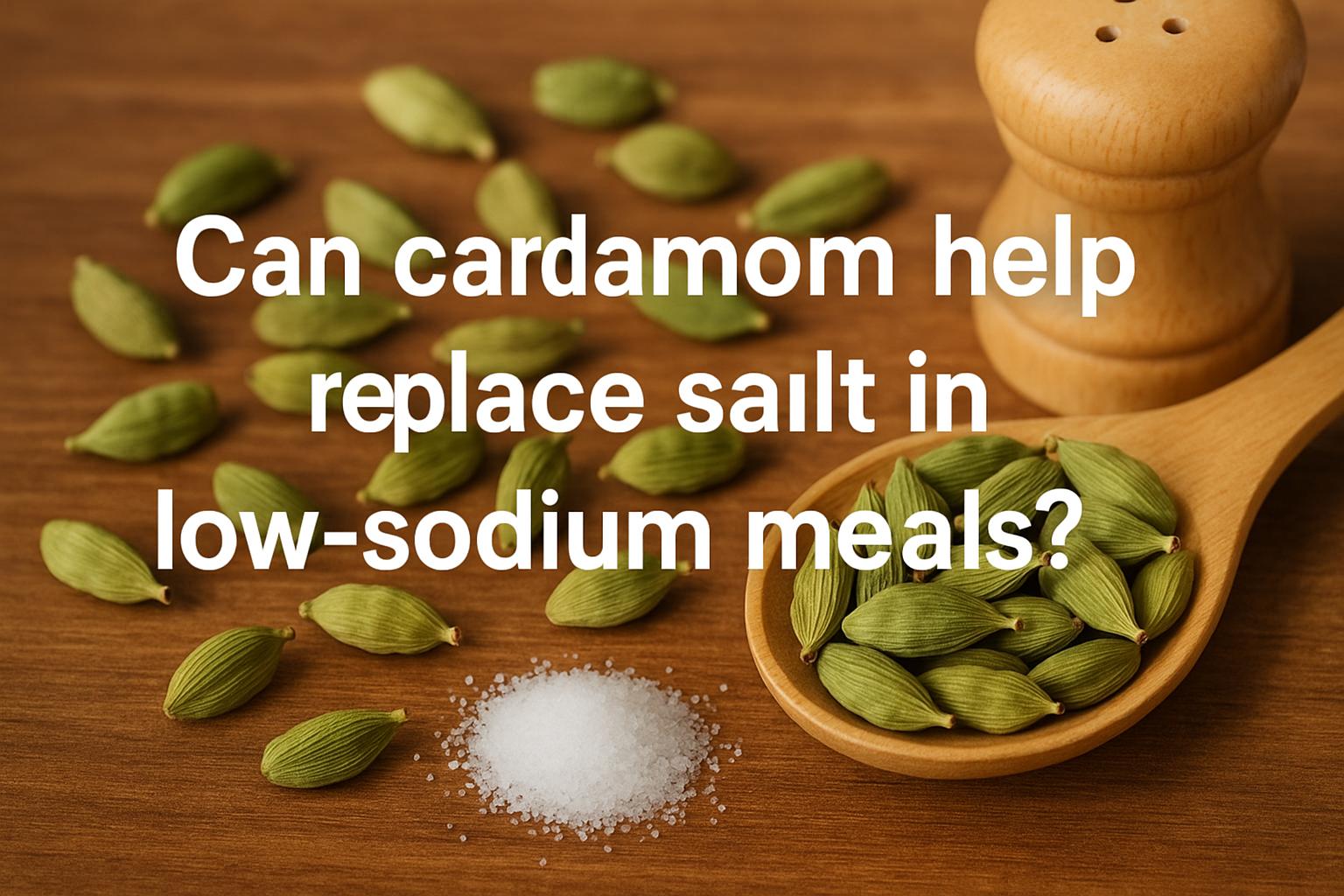
Can cardamom help replace salt in low-sodium meals?
Yes, cardamom can help replace salt in low-sodium meals by enhancing flavor through its warm, citrusy aroma and complex taste. While it doesn’t replicate salt’s mineral profile, cardamom stimulates multiple taste receptors and elevates the natural flavors of food, making dishes more satisfying without added sodium. It pairs well with herbs, spices, citrus, and salt substitutes like potassium chloride or nutritional yeast, helping to build depth and balance. Commonly used in global cuisines, cardamom works best in lentil dishes, rice, stews, and marinades, especially when combined with other low-sodium ingredients to create full-bodied, flavorful meals.
Can cardamom effectively replace salt in low-sodium meals?
Cardamom can support salt reduction in low-sodium meals by offering a powerful sensory experience through aroma and complex taste. While it doesn’t replicate the mineral sharpness of salt, it does fulfill a vital culinary role in enhancing flavor perception.
- Enhances perceived flavor through aroma activation
Cardamom stimulates the olfactory receptors, which are responsible for up to 80% of flavor detection. In salt-reduced dishes, where taste can seem flat, cardamom restores appeal by enhancing aromatic layers, helping food feel more satisfying without added sodium. - Triggers multiple taste zones with warming and citrusy notes
Cardamom’s essential oils—especially cineole and alpha-terpineol—activate bitter, sweet, and spicy receptors on the tongue. This broad activation helps simulate the depth and roundness that salt provides in complex meals. - Reduces dependence on sodium by enhancing food complexity
Dishes using cardamom require less salt because the spice brings its own complexity. It adds brightness and depth to stews, roasted vegetables, lentils, and even meat marinades—offering a full-bodied taste that mimics umami responses. - Improves long-term compliance with low-sodium diets
Many patients with hypertension or kidney disease struggle to maintain a bland low-salt diet. Introducing cardamom into meal planning can make low-sodium foods more enjoyable, reducing the temptation to revert to high-sodium seasonings. - Complements salt substitutes for enhanced effectiveness
Cardamom does not interfere with potassium chloride-based salt substitutes and can mask their often metallic or bitter aftertaste. This makes it an ideal companion in blended spice and herb mixes designed for salt-free cooking.
How does cardamom enhance flavor in dishes when salt is reduced or omitted?
Cardamom compensates for reduced salt by amplifying flavor complexity, improving aroma, and pairing well with other taste enhancers. It doesn’t act as a direct sodium replacement but serves as a functional alternative that heightens taste perception.
- Boosts the natural flavor of ingredients
Cardamom works by drawing out and intensifying the inherent flavors of vegetables, grains, legumes, and proteins. This helps maintain a rich, satisfying experience even when sodium is limited or absent. - Supports synergistic flavor layering
When combined with spices like cumin, coriander, ginger, and black pepper, cardamom creates a layered flavor profile. This reduces the need for salt by stimulating multiple taste pathways simultaneously. - Replaces salt’s “completeness” in seasoning
Salt often provides a “finished” taste. Cardamom helps achieve this effect by warming the palate and offering a lingering aromatic finish that mimics the fullness salt provides in the mouth. - Enhances mouthfeel and taste retention
Cardamom’s essential oils contribute to the lingering feel of food on the tongue, creating a satisfying aftertaste. This helps balance the experience, especially in soups, rice dishes, or marinades that might otherwise feel hollow without salt. - Stimulates salivation, improving taste clarity
Like salt, cardamom stimulates salivation, which helps dissolve food compounds and makes their flavors more noticeable. This is particularly useful in dry or baked dishes where texture and flavor can otherwise feel muted.
What does cardamom taste like compared to salt, and does it satisfy salt cravings?
Cardamom and salt deliver different taste experiences, but cardamom can satisfy flavor cravings by adding depth, aroma, and warmth that distract from the absence of salt. It’s most effective when used to create a new, flavorful profile rather than imitate salt directly.
- Cardamom has a citrusy, minty, slightly sweet flavor
Its taste includes floral and eucalyptus-like notes with warm undertones, which contrast with salt’s sharp, mineral flavor. These aromatic compounds compensate for blandness in low-sodium foods. - It satisfies salt cravings through flavor enhancement rather than saltiness
While cardamom lacks sodium, it stimulates sensory receptors that influence taste perception. This gives diners a sense of completeness and reduces the psychological craving for salt. - Used with acidic ingredients to heighten perception
Pairing cardamom with lemon, lime, vinegar, or yogurt can amplify its flavor impact. Acidity sharpens the perception of other spices and creates a tangy-savory balance that mimics salt’s brightness. - Creates a soothing heat that substitutes sharpness
Salt provides a sharp finish, while cardamom offers a warm, lingering sensation. In stews and marinades, this warmth fills the role salt typically plays in finishing a dish. - Activates the same reward centers as spices and umami agents
Cardamom contributes to pleasurable eating experiences by working with the body’s natural taste reward systems. This is especially true when used in slow-cooked dishes or paired with proteins that release umami.
In which types of recipes is cardamom most suitable as a salt substitute?
Cardamom is best suited for recipes that allow its aromatic and warming qualities to stand out. It performs well in slow-cooked, spiced, or naturally sweet-savory dishes, especially those with Eastern, Mediterranean, or vegetarian influences.
- Legume and lentil dishes
Cardamom complements the earthy tones of lentils and chickpeas. In dal, hummus, or bean stews, cardamom adds fragrance and brightness, reducing the need for salt. - Grain-based meals and porridges
In brown rice, quinoa, bulgur, or millet, a small amount of ground cardamom improves aroma and elevates the mild flavor profile. It also works well in savory breakfast porridges made with oats or teff. - Stews, curries, and soups
Cardamom releases flavor slowly, making it ideal for long-simmered dishes. Whole pods can be added to chicken stew, vegetable broth, or lamb curry and removed before serving. - Roasted or braised vegetables
Vegetables like carrots, parsnips, eggplants, and cauliflower benefit from cardamom’s citrusy edge. It brings dimension to oven-roasted or pan-braised recipes where salt is often used as a flavor booster. - Low-sodium meat or poultry marinades
Cardamom works well in marinades with garlic, ginger, and lemon, especially for poultry or lamb. It supports flavor penetration and complements spice rubs with little or no salt. - Savory baked goods
Savory flatbreads or spice crackers with cardamom and herbs can offer a flavorful snack option for low-sodium diets.
What culinary techniques work best for using cardamom instead of salt?
To get the most from cardamom as a salt replacement, it must be applied using methods that extract and retain its aromatic oils. The preparation and cooking process determines how effectively it mimics the flavor-enhancing role of salt.
- Toasting whole cardamom pods in oil or butter
This method releases volatile oils and intensifies aroma. Toasting pods at the beginning of a dish, such as when making rice or curry base, sets a strong flavor foundation. - Grinding fresh seeds for maximum potency
Using freshly ground cardamom offers a stronger, more complex flavor than pre-ground versions. A mortar and pestle or spice grinder can be used just before cooking. - Infusing cardamom in hot liquids or broths
Simmering cardamom in water, stock, or milk draws out subtle sweetness and warmth. This method works well for soups, teas, and rice pilafs. - Pairing with acidic or umami-rich ingredients
Ingredients like tomato, tamarind, mushrooms, and lemon enhance cardamom’s depth. The resulting combination brings a roundness similar to the mouthfeel salt provides. - Combining with other bold spices in blends
Cardamom should be used in balance with cumin, coriander, turmeric, or clove. This blend increases complexity and makes salt-free dishes more appealing. - Using in finishing spice oils or ghee
Infusing cardamom in ghee or oil as a finishing touch can enhance cooked dishes. This method preserves delicate notes that may otherwise fade during cooking.
How does cardamom improve the palatability of low-sodium foods?
Cardamom makes low-sodium meals more enjoyable by enhancing flavor complexity, stimulating aroma perception, and adding sensory depth. It compensates for the flatness that often results from salt reduction.
- Increases flavor clarity through aromatic enhancement
Cardamom’s essential oils, such as terpinyl acetate and cineole, release strong aromas that elevate the natural flavors of food. This heightened scent improves perceived taste, making dishes more flavorful without added salt. - Delivers multi-layered taste experiences
Unlike salt, which offers a singular sharpness, cardamom provides sweet, spicy, and citrusy undertones. This layered profile gives depth and body to low-sodium dishes, especially in rice, stews, and herbal teas. - Reduces bitterness and dullness in boiled or steamed foods
Salt often masks bitterness in foods like spinach or cauliflower. Cardamom neutralizes bitterness with its warm and fragrant profile, especially when combined with lemon, garlic, or cumin. - Supports balance when paired with tangy or rich ingredients
In yogurt sauces, tomato-based dishes, or coconut milk curries, cardamom enhances balance by smoothing out sharp or fatty notes. This interplay of flavors reduces the dependence on salt as a harmonizer. - Improves satisfaction and satiety perception
Meals with strong aromatic cues like cardamom are often rated as more satisfying. This is important for individuals on sodium-restricted diets who may otherwise feel less content after eating. - Works well with texture-enhancing cooking methods
Cardamom-infused oils or broths bring moisture and flavor to grilled or roasted foods, which may taste dry or flat without salt. It creates a more complete sensory experience.
Can cardamom mask blandness in salt-free meals?
Cardamom helps mask blandness in salt-free cooking by providing strong aroma, flavor enhancement, and spice warmth that distracts from the absence of sodium.
- Stimulates multiple sensory receptors simultaneously
Cardamom activates bitter, sweet, and spicy taste receptors, as well as olfactory pathways. This wide sensory stimulation compensates for the flatness typically caused by removing salt. - Adds bold, distinctive notes that stand out in simple dishes
In mild recipes like boiled grains, steamed vegetables, or lean proteins, even a small amount of cardamom adds noticeable depth. Its presence draws attention away from the lack of salt. - Improves flavor contrast and complexity
Cardamom pairs well with citrus, ginger, pepper, and garlic to build a strong contrast. This combination brings excitement and richness to otherwise plain foods. - Infuses background warmth for a lingering finish
Salt usually lingers on the tongue, giving a lasting finish. Cardamom mimics this effect with a gentle heat and sweet aftertaste that maintains flavor presence. - Works especially well in fusion or ethnic cuisine
In Middle Eastern, Indian, or North African dishes, cardamom already plays a central flavor role. Using it in low-sodium adaptations of these cuisines keeps meals flavorful and authentic. - Helps round out dry or low-fat meals
Cardamom brings warmth and richness to lean dishes lacking oil or salt, such as steamed fish or baked root vegetables. This makes meals feel complete despite the dietary restrictions.
What health benefits come from replacing salt with cardamom in cooking?
Replacing salt with cardamom not only improves flavor but also contributes to several health benefits, especially for those managing cardiovascular or kidney-related conditions.
- Reduces daily sodium intake, supporting heart health
High sodium consumption is linked to hypertension and increased risk of stroke. Using cardamom in place of salt helps cut sodium levels, making it easier to stay within the recommended daily intake of 2,300 mg or less. - Provides natural potassium for blood pressure balance
Cardamom contains potassium, which helps counteract sodium’s effects by promoting vasodilation and reducing blood pressure. A 100g serving provides about 1,110 mg of potassium. - Contains antioxidants that reduce inflammation
Cardamom is rich in polyphenols and flavonoids such as quercetin and luteolin. These compounds help combat oxidative stress, which is linked to chronic diseases like heart failure and diabetes. - Improves digestion and reduces bloating
Traditionally used in Ayurvedic and Chinese medicine, cardamom aids in digestion and relieves gas. This makes it useful in salt-free meals that may rely heavily on legumes or fiber-rich ingredients. - Supports metabolic health and weight control
Cardamom may aid in fat metabolism and appetite control. Clinical studies have shown potential benefits in improving insulin sensitivity and reducing waist circumference. - Promotes oral health and reduces salt cravings
Chewing cardamom pods freshens breath and can reduce cravings for salty snacks. Its natural oils help cleanse the mouth and reduce inflammation in the gums.
How does cardamom affect the aroma and texture of low-sodium meals?
Cardamom primarily influences aroma, not texture. However, its powerful scent can affect how we perceive flavor and mouthfeel in salt-free dishes.
- Strong aromatic compounds boost overall flavor perception
Cardamom’s volatile oils—particularly 1,8-cineole—are highly aromatic and diffuse through steam during cooking. This enhances the smell of the meal, leading to improved taste perception without any salt added. - Aromas stimulate appetite and food enjoyment
A well-scented dish increases appetite and enjoyment, especially in low-sodium cooking where visual and aromatic cues become more important in replacing salt’s immediate flavor punch. - No impact on texture when used ground or infused
Ground cardamom disperses easily in liquids or sauces, and whole pods can be removed after cooking. This means it doesn’t alter the food’s texture, unlike certain salt substitutes that may leave a metallic or gritty feel. - Pairs well with texturally rich ingredients
Cardamom complements the creamy texture of lentils, yogurt-based sauces, and mashed vegetables. It accentuates their smoothness without adding salt or fat. - Enhances the experience of hot dishes through heat diffusion
The warm notes of cardamom are best released in heat, which makes it especially suitable for baked, simmered, or braised foods where aroma infuses the entire dish. - Blends into spice rubs and crusts for dry texture control
When used in dry rubs for meats or root vegetables, cardamom contributes to surface flavor without moisture interference. It enhances the crispness or browning without relying on salt as a dry brine.
How do consumers respond to cardamom as an alternative to salt?
Consumers generally react positively to cardamom when introduced properly in low-sodium dishes, especially when its role is framed as a flavor enhancer rather than a direct salt replacement.
- High acceptance when paired with familiar spices or ingredients
Dishes using cardamom alongside cumin, garlic, or ginger are better received than those using it alone. This familiar context reduces resistance and improves flavor recognition. - Positive feedback in aroma-forward cooking styles
Cardamom performs well in recipes where aroma is key—such as curries, spiced teas, or baked goods. Consumers often describe these meals as flavorful despite being low in salt. - Valued for health benefits in diet-conscious demographics
Health-focused consumers, including those managing hypertension or following heart-healthy diets, appreciate cardamom’s functional benefits. Many see it as a flavorful alternative to processed salt replacements. - Preference for fresh or whole cardamom over pre-ground
Feedback indicates that whole pods or freshly ground seeds are more appealing. Pre-ground cardamom loses potency quickly, reducing its impact in salt-free meals. - Mild learning curve for new users
While the flavor is distinct, consumers adapt quickly when exposed to cardamom in balanced quantities. Taste testing or guided recipes improve acceptance in low-sodium adaptations. - Encourages culinary creativity and experimentation
Home cooks and chefs alike report that cardamom introduces new opportunities in seasoning strategies. Its use opens the door to experimenting with global spice blends, making low-sodium eating more exciting.
What is the recommended amount of cardamom to use when replacing salt?
Using cardamom effectively in place of salt requires precise measurement to avoid overpowering the dish. Since cardamom has a strong flavor, moderation is key.
- Start with ⅛ to ¼ teaspoon of ground cardamom per serving
This small amount offers enough aromatic enhancement without overwhelming the food. For soups, sauces, or rice dishes, this ratio helps maintain balance while providing flavor depth. - Use 1 to 2 whole pods for every 2 to 4 servings
Whole pods are typically simmered in liquids and removed before serving. They infuse dishes like pilafs, stews, or tea with warmth and complexity, acting as a background enhancer. - Adjust based on cooking time and intensity of other spices
Long-cooked meals can tolerate more cardamom, as the flavor mellows over time. In contrast, quick-cooked dishes need smaller amounts to avoid bitterness or over-concentration. - Use less in dry rubs or seasoning blends
When cardamom is combined with other dry spices, use sparingly—around 1/16 teaspoon per serving—especially in meat rubs or baked goods, to prevent an overpowering taste. - Pair with neutral ingredients to control flavor strength
In meals with mild bases like rice, yogurt, or lentils, lower doses help integrate cardamom smoothly without dominating the palate. - Taste and adjust during preparation
Unlike salt, cardamom’s effects are aromatic and can be tested mid-cooking. Always adjust gradually and allow flavors to infuse before adding more.
Can cardamom be combined with other herbs and spices to enhance salt-free dishes?
Yes, cardamom blends well with various spices and herbs to boost flavor complexity in salt-free meals. These combinations can mimic salt’s role in flavor enhancement while keeping sodium intake low.
- Blend with cumin and coriander for earthy balance
These spices work together to form a rich, savory base often used in Middle Eastern and Indian cuisine. Cardamom lifts the blend with brightness, while cumin and coriander provide depth. - Add to ginger and garlic for savory intensity
When cardamom is used with fresh ginger and garlic, the result is a pungent, full-bodied flavor. This works especially well in sautés, soups, and vegetable stews. - Pair with cinnamon and clove for warmth
In low-sodium meat dishes or rice, combining cardamom with cinnamon and clove creates a warming spice base that enhances richness without salt. - Include with turmeric for color and healing synergy
Turmeric brings vibrant color and anti-inflammatory benefits, while cardamom balances its bitterness. This duo is ideal for curries, stews, and grain bowls. - Use with fresh herbs like mint or parsley
Cardamom’s floral notes pair well with fresh herbs in salads, yogurt sauces, and marinades. This combination provides freshness and complexity. - Balance with chili flakes or black pepper for heat
In dishes where salt would typically amplify heat, cardamom adds a soft counterbalance to spicy ingredients, creating a well-rounded taste.
Are there cultural or traditional recipes where cardamom replaces salt?
Yes, many traditional recipes across global cuisines use cardamom as a key flavor agent, often in salt-limited contexts or for religious fasting meals. These dishes prove cardamom’s ability to stand on its own.
- Indian dals and khichdi
In Ayurvedic and vegetarian cooking, cardamom is used to flavor lentils and rice without relying on salt. These dishes use turmeric, cumin, and cardamom to create balance and digestion-friendly meals. - Middle Eastern rice pilafs (like Kabsa or Maqluba)
Cardamom is a signature spice in Gulf and Levantine cuisine, often added to rice dishes with dried fruits, nuts, and aromatic broths—sometimes prepared low in salt for religious fasts or dietary needs. - Nordic cardamom porridge
Scandinavian cultures use cardamom in oatmeal or semolina porridge, offering a savory-sweet taste. This method helps flavor breakfasts traditionally eaten without salt. - Ethiopian spice stews (Wot)
While berbere spice is dominant, cardamom is often used to round out flavor in slow-cooked dishes that don’t depend heavily on sodium but instead on spice layering. - Persian tahdig and jeweled rice
In Iranian cuisine, cardamom is included in fragrant rice blends that rely on saffron, nuts, and dried fruit rather than salt to build flavor. - South Asian spice teas and broths
Chai, as well as fasting-friendly spice broths (like kanji), often use cardamom as the primary seasoning, providing comfort and richness without salt.
Are there any drawbacks or limitations to using cardamom instead of salt?
While cardamom is highly versatile, there are limitations when trying to use it as a full salt replacement. Understanding these helps avoid misuse and improve dish quality.
- Cardamom does not replicate salt’s mineral or savory taste
Salt activates sodium-specific taste receptors and adds umami to food. Cardamom cannot perform this chemical function, so it’s best used to enhance rather than imitate salt. - Overuse can overpower a dish
Cardamom is potent, and excessive use can make food taste perfumed or bitter. This is especially true in light or quick-cook meals where its flavor doesn’t have time to mellow. - Not suitable for all types of cuisine
Some Western or Latin cuisines rely heavily on salt-forward flavor profiles. Cardamom may not fit the flavor expectations of dishes like potato salad, pizza, or baked savory snacks. - Incompatibility with briny or pickled flavors
Cardamom does not work well in recipes where brine or fermentation plays a role. In such dishes, its floral profile may clash with acidity or fermented tang. - May cause allergic reactions in sensitive individuals
Though rare, some people may experience allergies to cardamom. It’s important to introduce it slowly in group settings or public meal prep. - Flavor loss in prolonged storage
Ground cardamom loses potency quickly. If used as a primary flavor agent in salt-free diets, it must be stored in airtight containers and used within weeks of grinding.
How does cardamom pair with other common salt substitutes in low-sodium cooking?
Cardamom works well alongside several salt alternatives. These pairings help mimic the savory complexity salt offers without increasing sodium content.
- Potassium chloride-based salt substitutes
These are commonly used in low-sodium diets but often have a bitter or metallic aftertaste. Cardamom can mask this taste, especially in broths, soups, and grain dishes. - Nutritional yeast for umami
Nutritional yeast adds cheesy, umami notes that are complemented by cardamom’s warmth. This pairing is especially effective in vegan or vegetarian meals. - Citrus juice or zest
Lemon or lime juice can brighten dishes and amplify cardamom’s aroma. Together, they create a flavor-enhancing effect similar to salt, particularly in dressings and marinades. - Vinegars (balsamic, apple cider, white wine)
Acid enhances cardamom’s flavor by making the aromatic compounds more volatile. Used in salad dressings, sauces, or cooked greens, this combination boosts perceived saltiness. - Miso or tamari (low-sodium versions)
In small amounts, fermented products offer deep umami. Cardamom tempers their saltiness and adds aromatic balance, especially in soups and sauces. - Herb and spice blends (like za’atar or ras el hanout)
These blends often include cardamom and other salt-free ingredients. When used together, they provide full-bodied seasoning without added sodium.
Cardamom as a Salt Alternative in Low-Sodium Diets
Cardamom offers aromatic depth that compensates for reduced salt. It’s effective in rice, soups, and dressings. For sodium-conscious cooking, buy green cardamom for salt-reduction recipes.
For elder-friendly and heart-healthy spice kits, use Thai cardamom for gentle salt substitutes.
Conclusion
Cardamom offers a powerful solution for enhancing the flavor of low-sodium meals. While it doesn’t replicate salt’s mineral profile, it fills the sensory gap through warmth, aroma, and complex taste layering. Whether you’re managing a medical condition or simply reducing sodium intake, cardamom helps ensure meals remain flavorful and satisfying.
From boosting the aroma of grains and vegetables to pairing with salt substitutes like potassium chloride or nutritional yeast, cardamom proves its versatility. Cultural dishes across India, the Middle East, and Scandinavia already demonstrate how this spice can stand in where salt is limited or absent.
At ABIE Cardamom, we specialize in premium-quality cardamom trusted by chefs and health-focused consumers worldwide. Our products are shipped in discreet, secure packaging, with 24–48 hour delivery within the USA and Canada, and 5–7 day international shipping. All orders come with a 30-day full refund or replacement guarantee to ensure your satisfaction.
If you’re looking to enhance your low-sodium cooking without compromising on flavor, order your fresh, aromatic cardamom now from ABIE Cardamom—your reliable global partner in culinary excellence.
Using Cardamom to Replace Salt: Flavor without the Risk
Cardamom offers an aromatic substitute for salt in low-sodium meals. Its bold profile adds satisfaction and complexity without elevating blood pressure. For health-supportive uses, explore Is cardamom good for blood pressure support?.
To craft flavorful dishes without sodium, read What sauces taste better with cardamom?—ideal for marinades or salad dressings.
If integrating cardamom into pre-prepped food kits, see Are there cardamom spice sachets for meal kits?