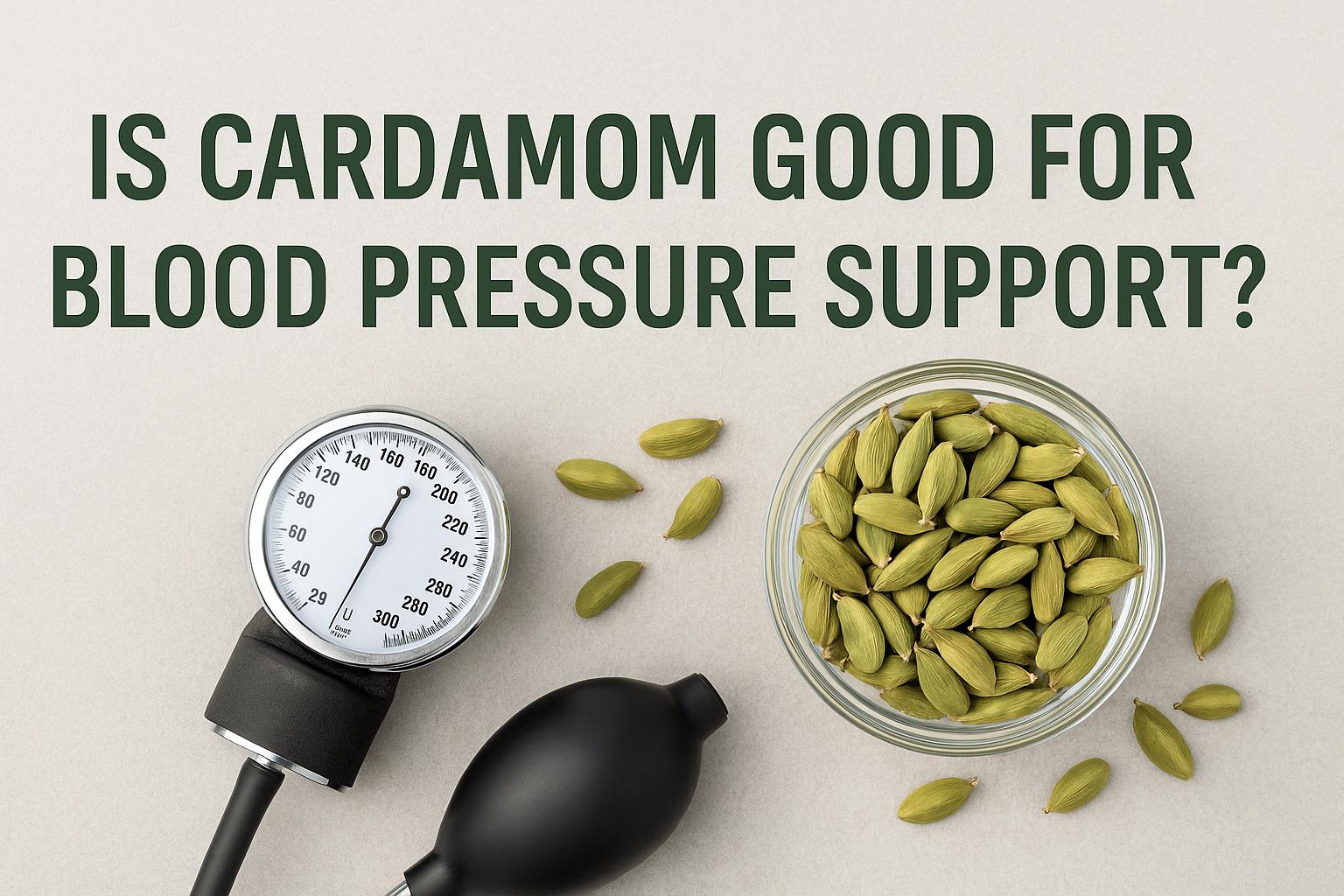
Is cardamom good for blood pressure support?
Yes, cardamom is good for blood pressure support. Clinical studies show that daily intake of cardamom can lower both systolic and diastolic blood pressure by relaxing blood vessels, improving circulation, and reducing oxidative stress. Its natural compounds—like antioxidants, potassium, magnesium, and essential oils—support heart health without major side effects, making cardamom a safe, effective addition to a balanced blood pressure management plan.
Can daily cardamom intake lower high blood pressure?
Consuming cardamom daily in controlled doses has been shown to reduce elevated blood pressure over time by addressing multiple biological mechanisms.
- A 3g/day dosage significantly improved blood pressure in hypertensive adults.
The referenced 12-week study found that this dose, divided throughout the day, produced measurable changes without any reported side effects. - Daily use maintains consistent antioxidant and mineral intake.
Consistency ensures the body receives regular levels of protective compounds like quercetin, potassium, and magnesium—each contributing to smoother vascular function. - Cardamom promotes the release of nitric oxide.
Nitric oxide is a key molecule responsible for relaxing the inner muscles of blood vessels. Daily intake supports this process, helping to reduce systemic vascular resistance. - It may help reduce cortisol, a stress hormone linked to high blood pressure.
Some animal studies suggest cardamom’s adaptogenic qualities can lower cortisol levels, reducing stress-induced hypertension. - Supports kidney function for better fluid balance.
Healthy kidney function is critical in maintaining blood pressure. Cardamom supports this by encouraging filtration and fluid excretion through mild diuresis. - Daily intake reduces inflammation in arterial tissues.
Chronic inflammation is a silent contributor to hypertension. The anti-inflammatory compounds in cardamom help prevent this tissue damage. - It complements other natural therapies such as exercise and DASH diet.
Adding cardamom to a routine that includes daily movement and a low-sodium, high-potassium diet enhances total heart health results.
How does cardamom affect systolic and diastolic blood pressure?
Cardamom influences both systolic (top number) and diastolic (bottom number) blood pressure by improving vessel flexibility and reducing internal pressure.
- Systolic pressure is lowered by improving arterial elasticity.
Systolic blood pressure reflects the force of the heart pumping blood. Cardamom’s antioxidant action improves arterial elasticity, allowing better blood flow with less resistance. - Diastolic pressure drops due to reduced peripheral resistance.
Diastolic pressure measures resistance between heartbeats. Cardamom reduces this resistance by promoting vasodilation and relaxing smooth muscle cells in the vessels. - Clinical reductions recorded up to 11.2 mm Hg systolic and 6.7 mm Hg diastolic.
These figures were observed in hypertensive individuals who took cardamom consistently for three months. - The effect is gradual and requires consistent intake.
Benefits are not immediate; the cumulative effect of daily consumption is key to seeing measurable changes in blood pressure. - It modulates calcium channels in vascular muscle.
Calcium ions influence contraction of blood vessels. Cardamom may help modulate these channels, contributing to lower diastolic pressure. - The dual effect supports both short-term and long-term blood pressure goals.
Immediate vascular relaxation supports systolic control, while long-term antioxidant effects benefit diastolic stability.
What compounds in cardamom help regulate blood pressure naturally?
Cardamom contains several active compounds that act on the cardiovascular system to regulate blood pressure safely and effectively.
- Cineole enhances vascular dilation.
This key essential oil compound relaxes blood vessels and supports better circulation throughout the body. - Terpinene and limonene reduce vascular inflammation.
These phytonutrients suppress inflammatory markers that contribute to vascular stiffness and dysfunction, common in hypertensive individuals. - Potassium counters sodium-induced hypertension.
Cardamom is a good source of potassium, which balances out high sodium levels and eases tension in blood vessel walls. - Magnesium helps prevent arterial constriction.
Magnesium is vital for smooth muscle relaxation in blood vessels and is essential for preventing spasms that can spike blood pressure. - Quercetin supports endothelial function.
This flavonoid improves the health of the endothelium (inner lining of blood vessels), a major factor in long-term blood pressure control. - Tannins provide astringent and circulatory benefits.
Tannins help tone blood vessels and improve capillary resistance, which helps stabilize overall blood flow. - Polyphenols act as free radical scavengers.
These compounds prevent oxidative stress, a condition that damages blood vessels and raises the risk of hypertension. - Volatile oils assist in smooth muscle regulation.
These oils contribute to the overall calming effect on vessel walls, reducing tension and enhancing nutrient delivery to tissues.
How does cardamom compare to pharmaceutical blood pressure treatments?
Cardamom is a supportive natural remedy that complements but does not replace pharmaceutical blood pressure treatments.
- Cardamom works gradually and does not produce rapid changes.
Unlike fast-acting medications, cardamom’s effects develop over weeks, making it suitable for long-term lifestyle management rather than acute intervention. - It has fewer side effects when used appropriately.
When taken in food or in controlled doses, cardamom is generally free of the common side effects seen with ACE inhibitors or beta-blockers. - Cardamom does not deplete potassium or magnesium.
Some diuretics can lower essential electrolytes, but cardamom naturally supplies these nutrients, supporting stable mineral levels. - It can enhance the effects of prescribed antihypertensive drugs.
Cardamom may act synergistically with medication, allowing for better results with lower drug dosages in some cases—but this should only be done under medical supervision. - Pharmaceuticals are dose-standardized; cardamom varies by source.
Drug potency is consistent, but natural products like cardamom can vary in strength depending on harvest, storage, and preparation method. - Cardamom offers added digestive and metabolic benefits.
While blood pressure drugs target the heart and vessels, cardamom supports digestion, glucose metabolism, and antioxidant defense simultaneously. - It is safe for long-term use in most healthy individuals.
Pharmaceuticals may require monitoring for liver or kidney impact over time; cardamom is safer when integrated into a balanced diet.
Can cardamom reduce blood pressure without side effects?
Yes, cardamom can reduce blood pressure naturally and is generally well-tolerated when consumed in appropriate amounts.
- Cardamom is widely used in food and herbal medicine with no major safety concerns.
It’s recognized as safe (GRAS) by the FDA when used in food-grade quantities. Centuries of traditional use confirm its safety profile for most adults. - Clinical trials report no adverse effects at standard dosages.
In the 12-week study where participants took 3 grams of cardamom daily, no side effects were reported. This supports its tolerability for blood pressure support. - It does not cause electrolyte imbalances like some diuretics.
Synthetic diuretics often deplete potassium and magnesium, but cardamom contains these minerals, helping maintain balance while lowering pressure. - Mild digestive enhancement may occur.
Cardamom supports gut function and may reduce bloating, gas, and acidity, offering an added benefit beyond cardiovascular health. - Rare allergies or sensitivities may exist.
Though uncommon, some people may experience skin reactions, throat irritation, or stomach upset. These cases are typically linked to overconsumption or essential oil misuse. - Safe during long-term use when part of a balanced diet.
Continuous use in meals or tea is unlikely to cause harm and can support steady improvements in blood pressure and general well-being. - Caution is advised during pregnancy or for those with gallstones.
While small amounts are safe, large doses may not be suitable for pregnant women or those with existing bile duct or gallbladder issues.
What scientific studies support cardamom’s impact on hypertension?
Several scientific studies provide evidence for cardamom’s ability to support blood pressure reduction, especially through antioxidant and vasodilatory mechanisms.
- The 2009 Verma et al. study is the most cited human trial.
Published in the Indian Journal of Biochemistry & Biophysics, this randomized trial showed significant reductions in both systolic and diastolic pressure in subjects consuming 3g/day for 12 weeks. - Animal studies support its antioxidant and heart-protective effects.
Research on hypertensive rats found that cardamom reduced oxidative stress and protected heart tissue from damage due to high blood pressure. - In vitro studies reveal strong antioxidant activity.
Cardamom extracts have shown high scavenging power against free radicals, which are linked to vascular aging and high blood pressure. - Comparative studies place cardamom above many common spices.
In antioxidant rankings, cardamom often outperforms cloves, cinnamon, and turmeric in specific assays related to cardiovascular protection. - Research links cardamom intake to reduced platelet aggregation.
By preventing excessive clot formation, cardamom may help improve blood flow and lower cardiovascular strain, indirectly benefiting pressure levels. - Studies also show improved lipid profiles alongside pressure control.
Participants in some trials experienced better cholesterol and triglyceride balance, suggesting cardamom supports full-spectrum cardiovascular health. - Further human trials are encouraged.
Though early results are promising, scientists recommend more large-scale, double-blind studies to confirm the full extent of cardamom’s benefits.
Does cardamom improve circulation and vascular relaxation?
Yes, cardamom supports improved circulation and vascular relaxation through several biological actions that directly affect blood vessels.
- It increases nitric oxide (NO) availability.
NO is a molecule produced in the blood vessel lining that causes muscles to relax. Cardamom’s compounds help stimulate NO production, aiding vasodilation. - It reduces arterial stiffness.
Antioxidants in cardamom help restore flexibility to blood vessels, especially those affected by aging, inflammation, or high cholesterol. - It promotes healthy blood flow to major organs.
By improving vessel tone and reducing blockages, cardamom enhances circulation to the brain, kidneys, and heart—critical for stable blood pressure. - Essential oils in cardamom act as smooth muscle relaxants.
Cineole and sabinene have mild sedative effects on vascular muscles, helping lower resistance in arteries and arterioles. - It helps prevent clot formation.
Improved circulation also means better blood flow with reduced clotting risk, as cardamom mildly inhibits platelet aggregation. - Vasodilation reduces heart workload.
When blood vessels are relaxed, the heart doesn’t have to pump as hard, which reduces overall cardiac strain and helps manage blood pressure.
How does cardamom’s antioxidant content influence blood pressure control?
Cardamom’s antioxidant properties play a central role in managing blood pressure by protecting the cardiovascular system from oxidative damage.
- It protects the endothelium from free radical injury.
The endothelium is the inner lining of blood vessels. Cardamom’s polyphenols and flavonoids shield it from damage caused by oxidative stress. - It prevents the oxidation of LDL cholesterol.
Oxidized LDL is a major factor in plaque buildup. By neutralizing oxidants, cardamom prevents artery hardening, helping blood pressure remain stable. - Antioxidants reduce inflammatory markers.
Studies show cardamom reduces CRP (C-reactive protein), a common inflammation marker tied to high blood pressure and heart disease. - Improved antioxidant status enhances vessel tone.
Blood vessels under oxidative stress become rigid and narrow. Antioxidant-rich cardamom helps them stay relaxed and responsive to blood flow. - Regular intake boosts total antioxidant capacity (TAC).
Human trials confirm that cardamom increases the body’s overall ability to neutralize harmful compounds, strengthening cardiovascular resilience. - Supports mitochondrial health in heart cells.
Healthy mitochondria reduce excess pressure on the heart by improving energy efficiency. Cardamom’s compounds help protect these cellular powerhouses.
What is the ideal dosage of cardamom for blood pressure support?
The most effective dosage for blood pressure support is based on clinical trials and traditional use, with powder form being the most practical.
- 3 grams of ground cardamom daily is clinically supported.
This dosage was effective in reducing blood pressure without adverse effects over 12 weeks. It equals about 1 to 1.5 teaspoons per day. - Dosage should be divided throughout the day.
For best results, cardamom can be taken in small amounts during meals or with warm water morning and evening. - Teas and decoctions offer another effective format.
Steeping crushed pods or powder in hot water releases active compounds and is especially soothing for evening consumption. - Capsules are available for those who dislike the taste.
Some people prefer supplements for accurate dosing. Choose standardized extracts for consistency. - Start with small amounts to assess tolerance.
Begin with 0.5 grams per day and gradually build up to avoid digestive discomfort. - Children, pregnant women, or those on medication should consult a doctor.
Although generally safe, dosage must be adapted based on individual health conditions and age.
Can cardamom be included in a DASH (Dietary Approaches to Stop Hypertension) diet?
Yes, cardamom is compatible with the DASH diet and complements its blood pressure-lowering principles through flavor and nutritional value.
- Cardamom is naturally low in sodium and calories.
This makes it ideal for enhancing meals in the DASH diet, which limits salt and emphasizes nutrient-dense, low-calorie foods. - Its potassium and magnesium content support DASH goals.
These minerals are central to the DASH diet’s effectiveness. Cardamom provides small but beneficial amounts that contribute to daily intake. - It helps flavor food without added salt.
DASH emphasizes sodium reduction. Cardamom’s aromatic profile allows cooks to use less salt while maintaining robust flavor in dishes. - Cardamom pairs well with fruits, grains, and lean proteins.
These are staple components of the DASH plan. Whether added to oatmeal, lentils, or grilled poultry, cardamom enhances nutrition and taste. - It can be incorporated into herbal teas and smoothies.
DASH encourages hydration through low-sugar, non-caffeinated beverages. Cardamom tea is a flavorful, heart-supportive option. - Cardamom may help reduce cravings for sweets and salty snacks.
Its warm, slightly sweet flavor may reduce the desire for processed foods that are typically high in sodium and sugar.
Is cardamom more effective in whole pods, powder, or oil form for BP support?
Cardamom powder is the most practical and studied form for blood pressure support, although each form has its advantages depending on usage.
- Cardamom powder is most used in clinical trials.
The 2009 study showing blood pressure reduction used ground cardamom, making it the most evidence-based form. - Whole pods are excellent for infusion in teas or stews.
They preserve the essential oils until use, which can be released through crushing or simmering for therapeutic benefits. - Cardamom oil is highly concentrated and requires caution.
While the oil contains potent compounds, it should be used sparingly and typically under professional guidance due to its intensity. - Powder offers consistent dosage and is easy to blend with food.
It can be added to smoothies, yogurt, porridge, or sprinkled over savory meals, allowing daily integration without effort. - Freshness and storage impact effectiveness.
Whole pods retain potency longer, while powder can lose volatile oils quickly if not stored in airtight, cool conditions. - Use form should match intended use and personal preference.
For convenience and evidence-based support, powder is preferred. For traditional brewing and culinary depth, whole pods are suitable.
How long does it take to see blood pressure benefits from cardamom?
The blood pressure-lowering effects of cardamom are typically seen after consistent intake over a period of weeks, depending on the individual’s health status and dosage.
- Clinical improvements are typically seen after 8 to 12 weeks.
Most studies report measurable changes within three months of daily use at therapeutic dosages. - Subtle improvements may begin within 2 to 4 weeks.
Users may notice less fatigue, improved circulation, or lower morning pressure readings earlier, depending on lifestyle factors. - Consistency is critical for results.
Cardamom must be taken daily without interruption to maintain the presence of active compounds in the system. - Improvement is gradual and not immediate.
Unlike drugs, cardamom builds its effects through antioxidant repair, mineral support, and vascular relaxation over time. - Lifestyle synergy accelerates benefits.
Combining cardamom with other DASH principles, regular exercise, and stress reduction can enhance outcomes significantly.
Are there any interactions between cardamom and blood pressure medications?
Cardamom may interact mildly with blood pressure medications by enhancing their effects. Careful monitoring is advised when combining both.
- It may potentiate the effects of antihypertensive drugs.
Cardamom’s vasodilatory and diuretic actions may enhance medications like beta-blockers, ACE inhibitors, or calcium channel blockers. - Risk of hypotension increases with combined use.
When used together, the pressure-lowering effects could compound and result in symptoms like dizziness or fainting. - Cardamom can influence metabolic enzymes.
It may affect CYP450 enzymes, which metabolize many drugs, although more human research is needed to define this interaction fully. - Patients on multiple medications should consult a physician.
Especially if the individual is on drugs for heart failure, kidney disease, or diabetes, as cardamom may influence these systems indirectly. - Monitor blood pressure regularly when starting cardamom.
If cardamom is introduced, it’s wise to check readings more frequently in the first few weeks. - Avoid concentrated extracts without supervision.
While culinary doses are safe, high-potency supplements or oils should only be used under professional care when on medication.
Should people with low blood pressure avoid cardamom?
Yes, individuals with consistently low blood pressure (hypotension) should be cautious with cardamom due to its natural blood pressure-lowering effects.
- Cardamom may further reduce already low pressure.
Its vasodilating and diuretic properties could exacerbate hypotension, leading to dizziness, blurred vision, or fatigue. - Even culinary doses can impact sensitive individuals.
Those with naturally low readings may experience pressure dips after cardamom tea or spice-heavy meals. - Monitoring symptoms is essential.
If consuming cardamom leads to weakness, light-headedness, or cold extremities, intake should be reduced or paused. - Consult a healthcare provider before regular use.
Especially for those on other medications or with underlying autonomic dysfunction, clearance from a doctor is crucial. - Diluted forms are safer than extracts.
Using small amounts in cooking or teas is generally safer than concentrated capsules or oils. - Alternatives may be better suited for hypotensive individuals.
Herbs like ginger or holy basil can support circulation without the same pressure-lowering intensity.
Supporting Healthy Blood Pressure with Cardamom
Cardamom has mild diuretic properties and helps improve circulation, making it a natural support for blood pressure regulation. It can be included in daily teas, soups, or capsules. For the strongest benefits, buy green cardamom for heart-health blends.
For mellowing blends or calming infusions, shop white cardamom online for mild cardiovascular support. It blends well with hibiscus or cinnamon.
Conclusion
Cardamom is a proven natural option for supporting blood pressure health, offering antioxidant protection, vascular relaxation, and mineral support—all backed by clinical evidence. When used consistently and correctly, it can gently reduce systolic and diastolic pressure, improve circulation, and enhance the effects of heart-healthy diets like DASH. While generally safe, those with low blood pressure or on medication should use caution and consult a healthcare provider.
At ABIE Cardamon, we offer premium-grade cardamom trusted by health-conscious individuals worldwide. Our products are packaged discreetly and shipped with full tracking. Enjoy 24–48 hour delivery within the USA and Canada, 5 to 7-day international shipping, and a 30-day money-back or replacement policy. We guarantee 100% satisfaction, ensuring every batch is fresh, potent, and ready to support your well-being.
Order today from ABIE Cardamon—your most reliable global source for top-quality cardamom.
Cardiovascular Health and Cardamom: What to Know
Research suggests that cardamom may help lower blood pressure by acting as a natural diuretic and relaxing blood vessels. Its high antioxidant content also plays a role in cardiovascular health. To explore other systemic benefits, read Does cardamom provide antioxidant benefits?. Antioxidants help reduce inflammation and oxidative stress—both linked to hypertension.
If you’re seeking calming ways to consume cardamom, Is cardamom useful in sleep aid teas? offers gentle tea recipes that support relaxation and circulation before bedtime.
For more functional health angles, visit Can cardamom strengthen the immune system?. Cardiovascular health and immune resilience often go hand in hand, and cardamom plays a role in both.