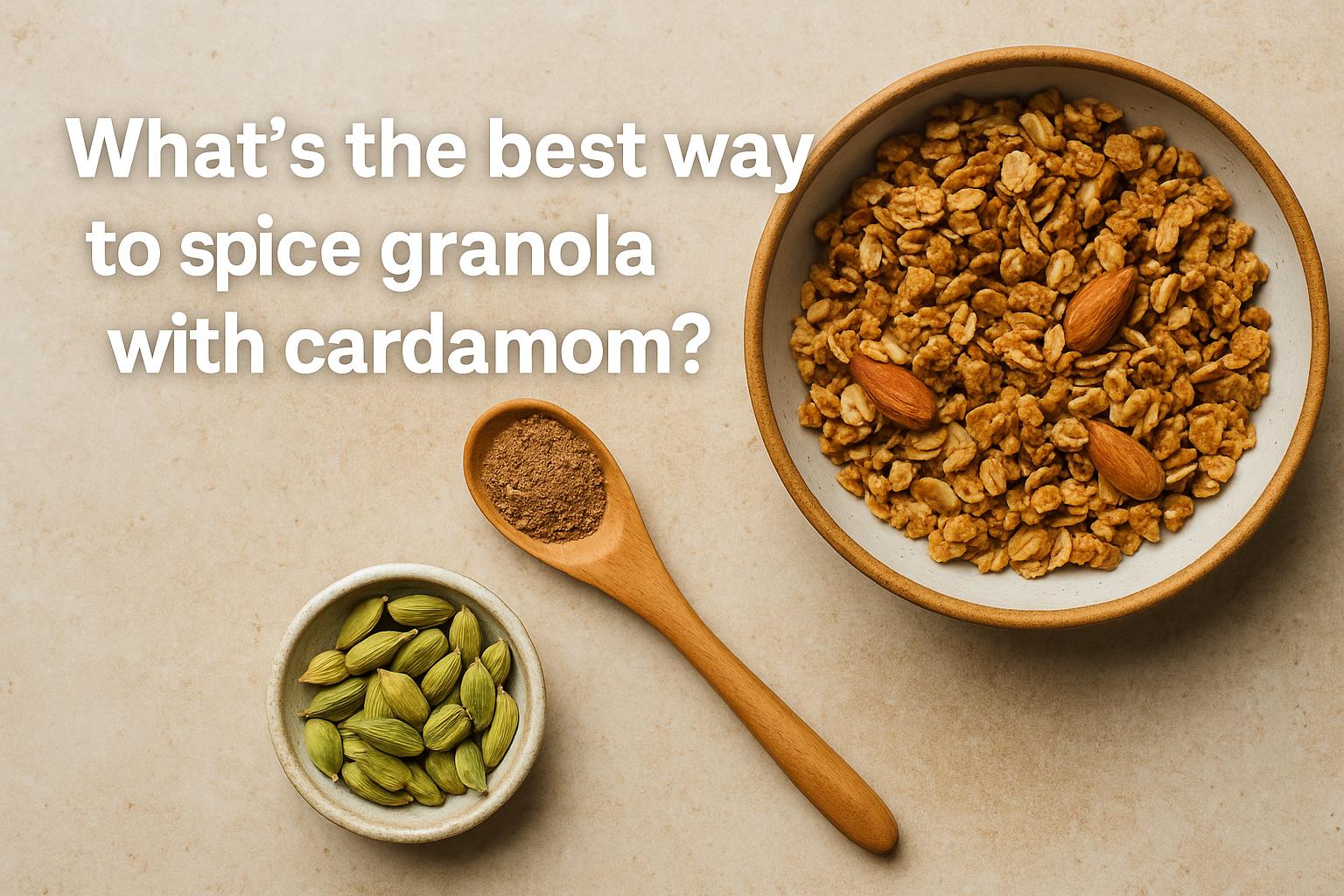
What’s the best way to spice granola with cardamom?
The best way to spice granola with cardamom is to use high-quality ground cardamom, evenly mixed with oats and sweeteners like honey or maple syrup. For optimal flavor, add ½ to 1 teaspoon of cardamom per 4 cups of granola. Enhance the spice by infusing it into warm oil or syrup before coating the dry ingredients. Cardamom pairs well with cinnamon, vanilla, citrus zest, dried fruits, and nuts, creating a warm, aromatic blend. Bake at a low temperature (around 300°F) to preserve its delicate aroma. For best results, store the granola in an airtight container away from heat and light to maintain crunch and freshness.
What is the best form of cardamom to use in granola: ground or whole pods?
Choosing the right form of cardamom makes a significant difference in the flavor, texture, and overall eating experience of your granola. Both ground cardamom and whole pods have distinct uses, but for granola, the choice is clear and practical.
- Ground cardamom is the preferred form for granola recipes.
Ground cardamom evenly distributes its distinctive, aromatic flavor throughout the entire granola mix. This ensures every bite contains the essence of cardamom, delivering a warm, citrusy, and subtly sweet note that blends beautifully with other granola ingredients. - Whole pods are not recommended for granola intended for direct eating.
Whole cardamom pods, if mixed directly into granola, can create hard, chewy, or even bitter surprises when bitten into. The tough outer shell does not soften during baking and can disrupt the texture of your clusters. - Freshly ground seeds offer the most vibrant cardamom flavor.
For best results, crush cardamom seeds from whole pods just before adding them to your recipe. This maximizes flavor intensity and preserves the volatile oils responsible for cardamom’s aroma. - Pre-ground cardamom is convenient for quick preparation.
Using high-quality, pre-ground cardamom from ABIE Cardamom saves time and ensures consistency, especially for batch baking. Our freshly milled ground cardamom guarantees potency and flavor retention. - Sifting ground cardamom prevents clumps in the granola mix.
To ensure even mixing and avoid flavor pockets, sift ground cardamom over your oats and other dry ingredients before adding liquid sweeteners or oils. - Blending cardamom with oil or syrup helps with even coating.
Dissolving the ground spice into your warm oil or syrup allows cardamom to adhere more uniformly to every oat, nut, and seed in your granola.
How much cardamom should I add to homemade granola for optimal flavor?
The correct amount of cardamom will give your granola a signature flavor without overpowering other ingredients. The right dosage depends on batch size, your personal flavor preferences, and the freshness of the spice.
- Start with ½ to 1 teaspoon of ground cardamom per 4 cups of granola mix.
This range provides a noticeable but balanced flavor. Less than ½ teaspoon may get lost among other flavors, while more than 1 teaspoon can dominate the taste profile. - Consider the strength and freshness of your cardamom.
Freshly ground or premium cardamom, like ours from ABIE Cardamom, will be more potent than old or low-grade products. Adjust quantities downward if using extremely fresh or aromatic cardamom. - Balance with other spices and sweeteners.
If your granola contains strong spices like ginger or clove, or bold sweeteners like molasses, a moderate cardamom amount ensures harmonious blending. - Taste the raw oat mixture before baking.
Mix all your dry and wet ingredients and sample a small pinch. Adjust cardamom if needed, remembering that flavors will concentrate slightly after baking. - Adjust for different batch sizes or intended uses.
For snack-style granola bars or clusters, a stronger cardamom note (closer to 1 teaspoon) can create a unique snack. For topping yogurt or fruit, a milder background (½ teaspoon) is often preferred. - Layer flavor with other spices if you prefer subtlety.
If you want cardamom to support rather than dominate, use the lower end of the range and add cinnamon, nutmeg, or vanilla for a complex blend.
How do I balance cardamom with other spices commonly used in granola?
Balancing cardamom with other spices is crucial for a harmonious granola that isn’t too spicy, sweet, or pungent. The right combinations bring out the best in every ingredient.
- Use a classic spice ratio for balanced warmth.
A simple and effective starting point is equal parts cardamom and cinnamon, with half the amount of nutmeg. For example, use ½ teaspoon cardamom, ½ teaspoon cinnamon, and ¼ teaspoon nutmeg per 4 cups oats. - Limit the number of dominant spices to avoid clashing flavors.
Three spices (cardamom, cinnamon, nutmeg) are usually sufficient for a complex but not overwhelming granola. Too many spices can mask the cardamom’s delicate notes. - Pair cardamom with ginger for a zesty bite.
Ginger’s sharpness enhances cardamom’s floral qualities. For a lively mix, add ¼ teaspoon ground ginger with your cardamom and cinnamon. - Vanilla extract or bean paste softens and rounds out spice blends.
Vanilla tempers strong spices and enhances cardamom’s sweetness. Add 1–2 teaspoons vanilla extract to your syrup or oil. - Cocoa powder and cardamom create a rich, exotic profile.
For chocolate granola, 1 tablespoon cocoa powder with ½ teaspoon cardamom brings warmth and depth. - Always blend spices thoroughly with dry ingredients.
Mixing all ground spices with oats and nuts before adding wet ingredients ensures even flavor distribution. - Sample the spice blend in your raw mix before baking.
Adjust proportions based on your preference or the intensity of your spices, especially if using strong, freshly ground cardamom.
What are the best sweeteners to pair with cardamom in granola recipes?
Sweeteners not only add flavor and sweetness but also bind the ingredients and support the aromatic quality of cardamom. The right sweetener choice can enhance or mellow cardamom’s complex flavor.
- Honey delivers a floral, natural sweetness that highlights cardamom.
Honey’s complex aroma is a natural match for cardamom’s citrusy and herbal notes. It creates a cohesive, golden crust on the oats. - Maple syrup provides an earthy and robust base for cardamom.
Maple syrup is less sweet than honey and has a slightly smoky character, balancing the sharpness of cardamom and adding a subtle caramel flavor. - Brown sugar deepens the granola’s sweetness and texture.
Brown sugar’s molasses content provides a toasty, rich depth that melds well with cardamom. Use light brown sugar for milder flavor or dark brown for more intensity. - Coconut sugar offers a low-glycemic, mineral-rich alternative.
Coconut sugar has a caramel flavor and a lower glycemic index, which supports healthy recipes and highlights cardamom’s warmth. - Date syrup or date sugar brings natural fruitiness.
These natural sweeteners work well in Mediterranean or Middle Eastern-inspired granola, complementing cardamom’s traditional culinary partners. - Mixing sweeteners can create layered sweetness.
Use half honey and half maple syrup for a balanced texture and flavor. This approach prevents any one sweetener from dominating. - Adjust sweetener quantities to control sweetness and crunch.
More syrup or sugar creates crispier clusters; less keeps the granola loose and lightly sweet. The typical range is ⅓ to ½ cup sweetener per 4 cups oats.
How can cardamom enhance the flavors of nuts and seeds in granola?
Cardamom works synergistically with nuts and seeds to create a complex, multi-layered flavor in granola. Its aromatic properties amplify the natural taste and aroma of these protein-rich ingredients.
- Cardamom’s floral and citrus notes elevate the sweetness of nuts.
Almonds, cashews, and pistachios taste sweeter and more aromatic when baked with cardamom, thanks to the spice’s volatile oils blending with the nuts’ natural flavors. - Toasting nuts and seeds with cardamom intensifies flavor and aroma.
When cardamom is mixed with oil and then baked with nuts and seeds, the heat releases essential oils from both, resulting in deeper flavor penetration and a fragrant granola. - Cardamom complements the earthy tones of seeds.
Sunflower, pumpkin, and chia seeds gain complexity when cardamom is included. The spice rounds out any bitterness, providing balance. - Sprinkle cardamom directly onto nuts and seeds before baking for targeted flavor.
If you want certain clusters to have a more pronounced cardamom note, toss a portion of the nuts or seeds in extra ground cardamom before adding to the main mix. - Pair with coconut flakes for a tropical granola.
Cardamom and coconut together create a signature aroma often found in Indian and Southeast Asian snacks. - Roasting at moderate temperatures preserves both flavor and crunch.
Bake at 300°F (150°C) to avoid burning the cardamom or the delicate nuts and seeds. - Mixing cardamom with salted nuts creates sweet-salty clusters.
A pinch of sea salt with cardamom enhances both flavors and provides a satisfying contrast in each bite.
What techniques can I use to infuse cardamom flavor into the oil or syrup for granola?
Infusing cardamom into your oil or syrup is a professional technique that delivers a fuller, more aromatic granola. It ensures cardamom flavor permeates every oat, nut, and seed in your recipe.
- Gently heat the oil or syrup with ground cardamom for even extraction.
Warm your chosen oil (such as coconut or olive oil) or sweetener (honey or maple syrup) in a saucepan over low heat. Stir in the ground cardamom and let it steep for 2–3 minutes. This process draws out essential oils, making the cardamom flavor more pronounced and well-distributed throughout your granola. - Use lightly crushed cardamom pods for a subtler infusion.
For a milder cardamom taste, add 2–4 lightly crushed pods to your oil or syrup as it heats. Allow them to steep, then strain them out before mixing with the dry ingredients. This method adds a gentle background note rather than a strong, upfront flavor. - Combine cardamom with other spices in the warm oil or syrup.
If you are using a blend of spices (like cinnamon, ginger, or nutmeg), infuse them all together in the oil or syrup. This creates a harmonious and integrated spice profile. - Let the infused oil cool slightly before mixing with granola ingredients.
Pour the flavored oil or syrup over the dry mixture while it’s still warm but not hot, ensuring an even coating and full absorption of the spice aroma. - For richer flavor, allow the mixture to rest before baking.
After combining your wet and dry ingredients, let the mixture sit for 10–15 minutes. This gives cardamom extra time to penetrate the oats and nuts. - Use ABIE Cardamom’s premium ground or whole pods for the purest flavor.
Our cardamom ensures the highest levels of essential oils, maximizing infusion results and producing a standout granola.
How does cardamom pair with dried fruits in a granola mix?
Cardamom and dried fruit are a classic culinary pairing, offering both sweetness and aromatic complexity to granola. This combination creates granola that stands out in both flavor and visual appeal.
- Cardamom intensifies the natural sweetness of dried fruit.
The warm, floral flavor of cardamom amplifies the sweet notes found in raisins, apricots, cranberries, figs, and dates, making the overall mix more vibrant and delicious. - Enhances tartness in fruits like cranberries or cherries.
Cardamom’s slight citrus undertone balances tart dried fruits, preventing the granola from tasting overly sharp or sour. - Supports traditional flavor profiles from around the world.
In Middle Eastern and South Asian cuisine, cardamom is often combined with dates and dried apricots. Scandinavian recipes use cardamom with dried apples or currants. Adding cardamom to dried fruits creates an authentic, international twist. - Prevents dried fruit from tasting cloying or flat.
Cardamom’s aromatic complexity cuts through the monotony that can occur when dried fruits are used alone, giving the granola layers of taste. - Best practice: add dried fruits after baking.
High oven temperatures can cause dried fruits to become tough or overly chewy. Mix in dried fruits once the granola has cooled to preserve their tender texture and fresh flavor. - Great with tropical fruits.
Dried mango, pineapple, or papaya pairs well with cardamom for a tropical granola blend. The spice highlights the fruits’ natural brightness and balances their sweetness. - Create visual contrast.
Cardamom’s green flecks and the colorful pieces of dried fruit make granola look as appealing as it tastes.
Can I combine cardamom with citrus zest for a more vibrant granola flavor?
Combining cardamom with citrus zest is an effective way to brighten granola and introduce fresh, lively flavors that complement cardamom’s natural notes.
- Add fresh orange or lemon zest for a vibrant, aromatic twist.
Stir 1–2 teaspoons of zest (from unwaxed fruit) into your dry mix along with the cardamom. Citrus oils boost the overall fragrance and pair seamlessly with cardamom’s subtle citrus undertones. - Balance citrus intensity based on granola sweetness.
If you use sweeter dried fruits or syrups, a little more zest can provide balance. For savory or less sweet granola, use citrus zest more sparingly. - Pair with vanilla or honey for a rounded flavor.
The combination of cardamom, vanilla, and a touch of honey creates a well-rounded, comforting, and refreshing granola profile. - Use a fine grater or zester for even distribution.
Finely grated zest mixes evenly with the oats and ensures every bite carries a bit of citrus lift. - Try other citrus options for variety.
Lime or grapefruit zest also pairs well with cardamom for more adventurous flavor profiles. - Add zest just before baking to preserve aroma.
Adding zest to the mixture right before it goes into the oven helps capture its fresh oils and maintain its brightness after baking. - Works well with both sweet and savory granola.
Citrus zest and cardamom can be used together in breakfast or snack granola blends, whether you prefer them sweetened or seasoned with a little salt.
What impact does cardamom have on the texture and crunch of granola?
Cardamom’s influence on granola is mostly about flavor and aroma, but its method of use can subtly affect texture and crunch if applied correctly.
- Cardamom does not soften or toughen granola on its own.
Unlike ingredients such as fruit purée or extra oil, cardamom is a dry spice and does not add moisture or density. - Acts as a dry coating, helping clusters form.
When blended with oil or syrup, cardamom helps coat oats and nuts evenly, promoting the formation of satisfying, crunchy clusters after baking. - No grittiness if properly ground and mixed.
Use finely ground cardamom and mix thoroughly with dry ingredients to prevent any powdery or gritty mouthfeel. - Supports even browning during baking.
Spices like cardamom can enhance the visual appeal of granola by encouraging a golden, appetizing color as the sugars caramelize. - Avoids tough texture by keeping spice levels moderate.
Using too much cardamom can make granola taste bitter or astringent, so it’s important to use the right amount for optimal eating quality. - No effect on shelf-life or storage texture.
Cardamom does not cause granola to stale or soften prematurely; proper storage keeps clusters crisp and aromatic for weeks. - Works well with all types of granola mixes.
Whether you prefer chunkier clusters or loose, muesli-style granola, cardamom is versatile and fits both approaches without changing the intended texture.
How do roasting methods affect the aroma and flavor of cardamom in granola?
Roasting technique is key for unlocking cardamom’s full potential in granola, transforming both its fragrance and depth of flavor.
- Gentle roasting at low temperatures intensifies cardamom aroma.
Baking granola at 300°F (150°C) allows cardamom to release its essential oils gradually, infusing the mix with deep, complex notes without burning. - High temperatures can dull or burn cardamom’s delicate compounds.
Roasting above 325°F (160°C) for too long can cause cardamom to lose its subtle citrus and floral qualities, leading to bitterness. - Stirring halfway through roasting promotes even flavor distribution.
Cardamom and other spices can settle or clump during baking. Stir the granola at least once to ensure every part is equally toasted and flavored. - Toasting nuts and seeds with cardamom develops a layered taste.
Roasting encourages cardamom and nut oils to mix, resulting in more fragrant and flavorful clusters. - Enhances caramelization and color.
Cardamom helps sugars caramelize, producing an attractive golden hue and a slight crispiness in finished granola. - Short post-roast cooling preserves cardamom’s aroma.
After removing granola from the oven, let it cool quickly in a single layer to lock in both crunch and spice fragrance. - Best flavor comes from fresh, high-quality cardamom.
Using premium ABIE Cardamom products ensures that roasting maximizes, rather than diminishes, the spice’s impact.
Are there regional granola styles that traditionally use cardamom as a key spice?
Cardamom’s unique aroma and flavor have made it a staple in many traditional recipes worldwide. Its integration into granola is inspired by these regional culinary traditions.
- Middle Eastern-inspired granola often features cardamom with pistachios and dates.
Middle Eastern cuisine commonly uses cardamom in desserts and snacks. Adding chopped dates, pistachios, and a hint of rosewater to cardamom-spiced granola mirrors these classic flavors and creates a rich, aromatic blend. - South Asian granola blends are influenced by chai spice mixes.
In South Asia, cardamom is a central ingredient in chai and rice puddings. Granola flavored with cardamom, cinnamon, ginger, and a touch of black pepper can mimic the warming spices found in Indian snacks. - Scandinavian granola often pairs cardamom with oats and dried fruits.
Scandinavian bakers frequently use cardamom in breads and pastries. Incorporating cardamom with dried apples, berries, and oats in granola celebrates Nordic culinary traditions. - North African recipes sometimes combine cardamom with honey and sesame seeds.
Cardamom is paired with honey and sesame in Moroccan and Egyptian confections. Use these elements in your granola for a subtle, exotic touch. - Mediterranean-style granola includes figs, almonds, and cardamom.
This approach uses local fruits and nuts with cardamom for a distinctly Mediterranean flavor, perfect for pairing with Greek yogurt. - Global granola blends allow creative fusion.
Mixing elements from different regions—such as Middle Eastern nuts, South Asian spices, and Mediterranean fruits—creates unique granola profiles that highlight cardamom’s versatility.
How can I create a savory granola using cardamom as a primary seasoning?
Savory granola offers a flavorful alternative to sweet versions and can be used as a topping or snack.
- Reduce or omit sweeteners for a savory profile.
Use olive oil, a small amount of honey (or none at all), and salt instead of traditional sweeteners. This lets the spices and natural nut flavors shine. - Combine cardamom with cumin, coriander, and smoked paprika.
Cardamom works well with other savory spices. For example, mix ½ teaspoon cardamom with ¼ teaspoon each cumin, coriander, and smoked paprika per batch. - Use roasted nuts and seeds as the base.
Almonds, cashews, pumpkin seeds, and sunflower seeds provide a hearty, protein-rich foundation for savory granola. - Add dried herbs for complexity.
Try dried thyme or oregano with cardamom for a Mediterranean-style savory blend. - Mix in unsweetened coconut flakes or crispy chickpeas.
These ingredients add crunch and absorb savory spice blends well. - Serve as a topping for salads, soups, or roasted vegetables.
Savory cardamom granola adds texture and a fragrant, warming note to savory dishes. - Store in airtight containers to maintain freshness and crunch.
As with sweet granola, proper storage preserves both flavor and texture.
What are the best ways to layer cardamom with vanilla and cinnamon in granola?
Layering spices maximizes flavor complexity and ensures a balanced, aromatic profile.
- Blend equal parts cardamom and cinnamon for warmth.
Cardamom and cinnamon complement each other, creating a familiar but distinctive granola base. - Add 1–2 teaspoons of vanilla extract to your wet mixture.
Vanilla smooths out sharp spice notes and adds depth to the overall flavor. Mix it with your oil or sweetener before combining with dry ingredients. - Consider using real vanilla bean for a richer taste.
Scrape seeds from a vanilla pod into your granola for an authentic, creamy note that pairs perfectly with cardamom. - Layer spices by mixing some into the oats and sprinkling more on top before baking.
This technique creates flavor depth, as some spice is baked into clusters and some remains aromatic on the surface. - Add a pinch of nutmeg or allspice for extra complexity.
These warm spices round out the blend and amplify cardamom’s natural character. - Taste the raw mixture to fine-tune the balance before baking.
This ensures no single spice overpowers the rest and that each contributes to the final aroma. - Use ABIE Cardamom’s premium ground cardamom for pure, strong flavor.
Our cardamom pairs seamlessly with both vanilla and cinnamon for professional results.
How can I use cardamom-spiced granola in breakfast parfaits and yogurt bowls?
Cardamom-spiced granola elevates everyday breakfasts with its unique, aromatic flavor.
- Layer cardamom granola with creamy Greek yogurt and seasonal fruit.
The spicy warmth of cardamom enhances tangy yogurt and fresh berries, creating a balanced and refreshing parfait. - Add to smoothie bowls for crunch and spice.
Sprinkle cardamom granola over thick smoothie bowls made from mango, banana, or mixed berries for texture and flavor contrast. - Mix with poached or roasted fruit for an elegant breakfast.
Warm apples, pears, or plums paired with cardamom granola and a dollop of yogurt make for a comforting morning treat. - Use as a topping for overnight oats or chia pudding.
Add a crunchy layer of cardamom granola to soft breakfast porridges for variety and added nutrition. - Prepare parfait jars in advance for meal prep.
Layer yogurt, fruit, and cardamom granola in jars for easy, portable breakfasts that stay fresh and flavorful. - Garnish with extra cardamom or citrus zest before serving.
A sprinkle of fresh zest or extra ground cardamom on top boosts aroma and visual appeal. - Great for both sweet and savory breakfast bowls.
Try with lightly sweetened yogurt or with a savory, herbed yogurt for a unique twist.
What are the best storage practices to keep cardamom-spiced granola fresh and aromatic?
Proper storage preserves the freshness, crunch, and full aroma of cardamom-spiced granola.
- Cool granola completely before storing to prevent moisture buildup.
Warm granola releases steam, which can cause sogginess and spoilage if trapped inside containers. - Store in airtight containers made of glass or high-quality plastic.
Airtight jars or canisters prevent exposure to air, which can cause cardamom’s essential oils to dissipate and granola to turn stale. - Keep granola in a cool, dry place away from sunlight.
Direct light and heat degrade cardamom’s flavor and can speed up oxidation, reducing shelf life. - For longer storage, freeze granola in portioned bags.
Granola freezes well for up to 3 months. Thaw at room temperature to restore original crunch and aroma. - Avoid opening the container frequently.
Every opening lets air and humidity in, which can make granola lose its crispness faster. - Use desiccant packs for humid climates.
A food-safe moisture absorber in the container can help maintain crunch, especially in areas with high humidity. - Label containers with preparation date for freshness tracking.
Consume within 2–3 weeks for best flavor and texture. - Always use high-quality cardamom, like ours from ABIE Cardamon, to ensure the most lasting and vibrant aroma.
Fresh spices make a measurable difference in both flavor and shelf life.
Spicing Granola with Cardamom: A Flavor Game-Changer
Cardamom adds a luxurious twist to nut and seed granolas. Use ground cardamom in the oil or honey mixture before baking. For gourmet blends, buy white cardamom for light granola seasoning.
For bold flavor and high retention in baked mixes, order green cardamom for granola production.
Conclusion
Cardamom transforms ordinary granola into a flavorful, aromatic experience. Whether you blend it with classic spices, layer it with citrus zest, or create savory clusters, using premium cardamom makes every bite stand out. From regional inspirations to practical storage, each detail matters for perfecting your homemade granola.
At ABIE Cardamom, we deliver only the finest cardamom—freshly harvested, carefully packed, and shipped discreetly worldwide. With fast, trackable delivery and a customer-first guarantee, our cardamom ensures every granola recipe you create is truly exceptional. Explore our range today and experience the difference in every crunch.
Spicing Granola with Cardamom: A Breakfast Upgrade
Cardamom pairs well with cinnamon, nutmeg, and citrus zest to create warm, fragrant granola. It complements dried fruit, seeds, and nuts for a globally inspired breakfast or snack. To enhance your blends, read Should I include cardamom in health food snacks? for functional and flavorful ideas.
For gift packaging or retail bundles, explore What beginner spice kits include cardamom?.
To explore non-breakfast uses, check Can I use cardamom as a seasoning for popcorn?—a fun alternative for spiced snack fans.