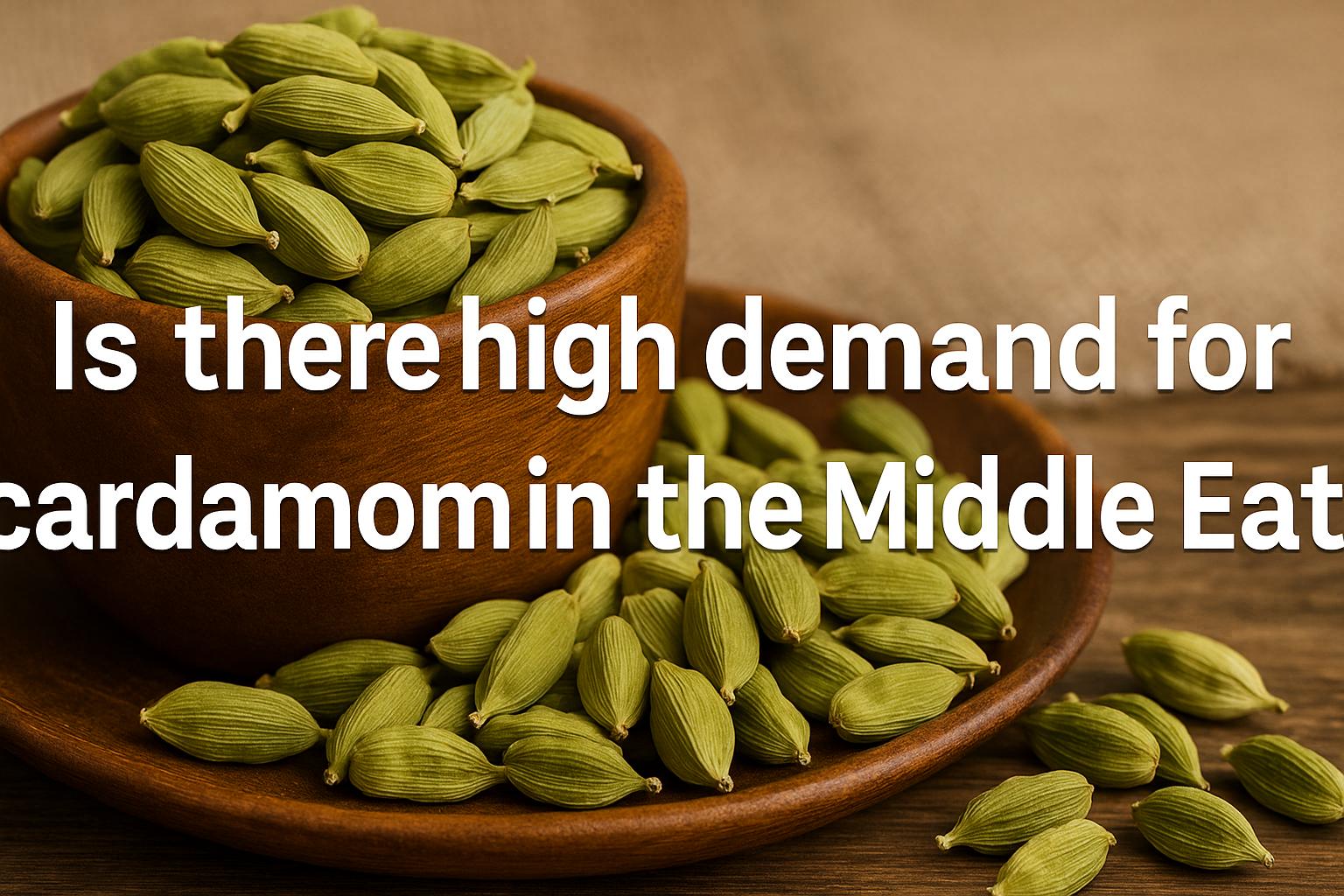
Is there high demand for cardamom in the Middle East?
Yes, there is high demand for cardamom in the Middle East due to its deep cultural, culinary, and religious significance. It is essential in Arabic coffee (Gahwa), used widely in…
Read more
Cardamom For Sale
Cardamom For Sale
Yes, there is high demand for cardamom in the Middle East due to its deep cultural, culinary, and religious significance. It is essential in Arabic coffee (Gahwa), used widely in…
Read moreYes, you can legally export cardamom to the European Union if you comply with EU regulations on food safety, pesticide limits, phytosanitary certification, and labeling. Cardamom must be tested for…
Read moreCardamom is used in international spice diplomacy as a premium agricultural product and cultural symbol to strengthen bilateral ties, promote national identity, and support trade negotiations. It is gifted during…
Read moreYes, you need Halal certification to export cardamom to most Muslim-majority countries such as Saudi Arabia, the UAE, Malaysia, and Indonesia, where it’s either legally required or demanded by buyers.…
Read moreTo sell cardamom to premium Western retailers, you must meet strict quality standards, obtain certifications like USDA Organic or EU Organic, and ensure your packaging complies with export regulations. Position…
Read moreYes, cardamom is highly popular in U.S. ethnic grocery stores, especially those serving South Asian, Middle Eastern, and East African communities. It is widely used in teas, desserts, rice dishes,…
Read moreYes, cardamom can be certified as a fair trade spice when it meets ethical, environmental, and labor standards set by recognized organizations like Fairtrade International and Fair for Life. Certification…
Read moreTo add value to cardamom for export, focus on improving grading, post-harvest processing, and moisture-controlled storage to preserve quality and aroma. Use export-grade packaging, offer private labeling, and tailor products…
Read moreGlobal cardamom pricing is affected by fluctuations in demand from major markets, supply chain disruptions in producing countries, and climate-related impacts on yield. Additional price drivers include currency exchange rates,…
Read moreTo package cardamom for export compliance, use certified food-grade materials like HDPE liners and laminated pouches that preserve aroma and prevent moisture. Label all packages with product name, weight, origin,…
Read moreYes, traceability is essential in cardamom exports because it ensures product safety, verifies origin, and meets global trade regulations. It helps exporters comply with food safety laws like the U.S.…
Read moreYes, you need organic certification to export cardamom if the importing country or buyer requires it. Countries like the U.S., EU, Canada, and Japan mandate certification for products labeled “organic,”…
Read moreTo label cardamom for international buyers, include the product name, botanical name, net weight, country of origin, batch number, expiry date, storage instructions, and exporter details. Use compliant languages for…
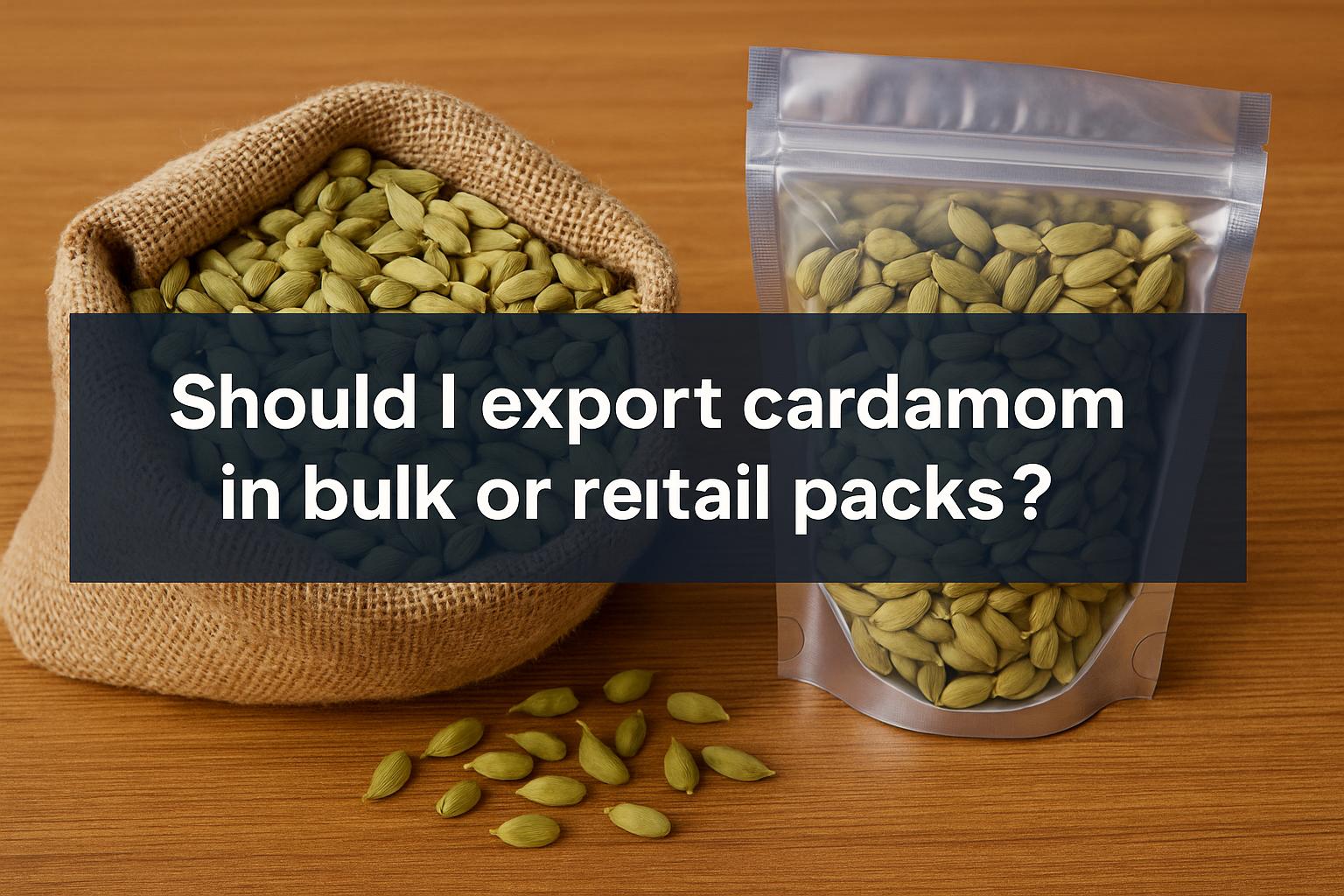
Read moreExporting cardamom in bulk is ideal for high-volume, low-cost trade with wholesalers and processors, offering easier logistics and faster scalability. In contrast, retail packs deliver higher profit margins and brand…
Read moreYes, many governments offer grants to support cardamom exports through programs that fund certification, processing upgrades, packaging improvements, and market access. These grants are available to registered exporters, cooperatives, SMEs,…
Read more