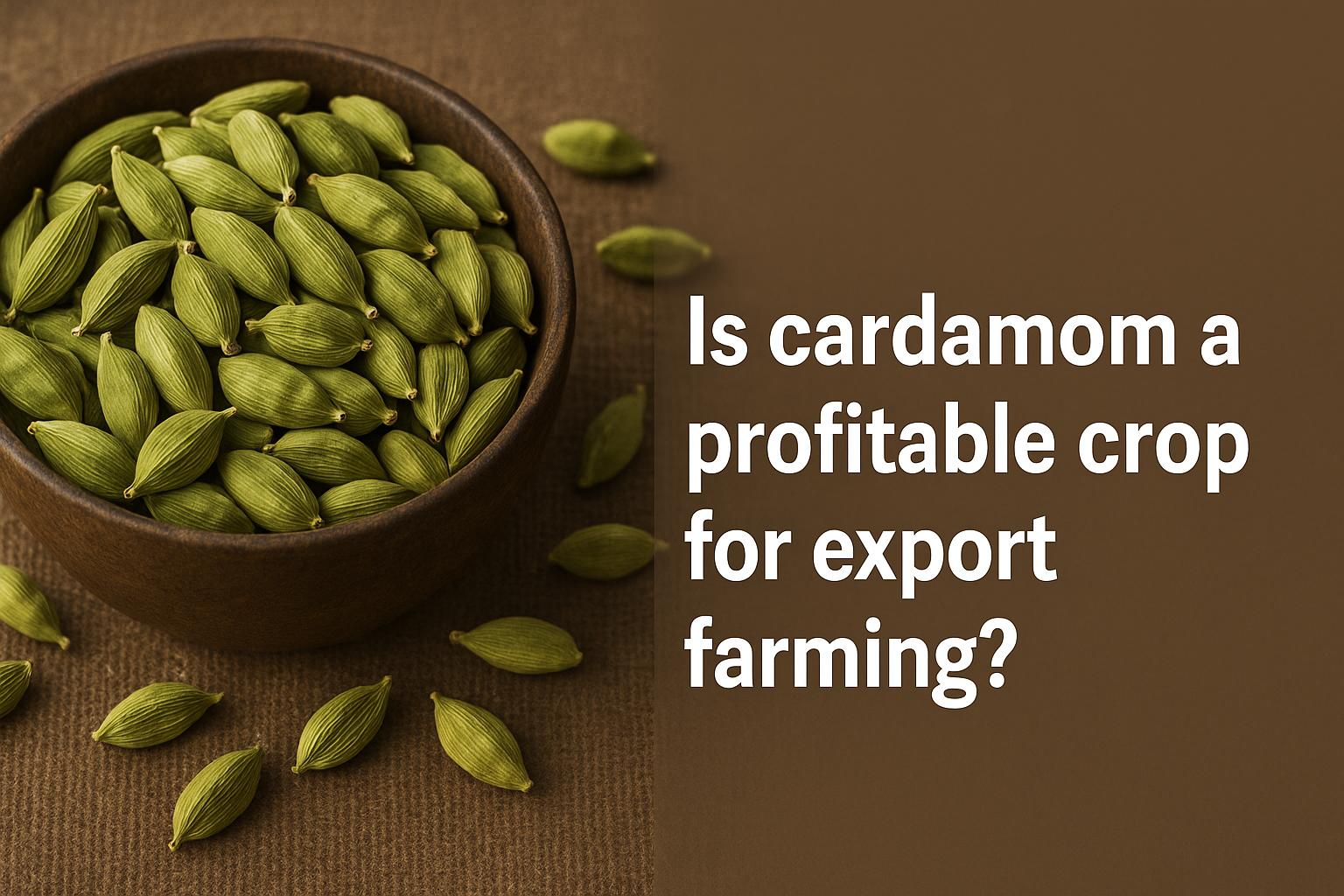
Is cardamom a profitable crop for export farming?
Yes, cardamom is a profitable crop for export farming due to its high market value, strong global demand, and premium pricing in regions like the Middle East, Europe, and North…
Read more
Cardamom For Sale
Cardamom For Sale
Yes, cardamom is a profitable crop for export farming due to its high market value, strong global demand, and premium pricing in regions like the Middle East, Europe, and North…
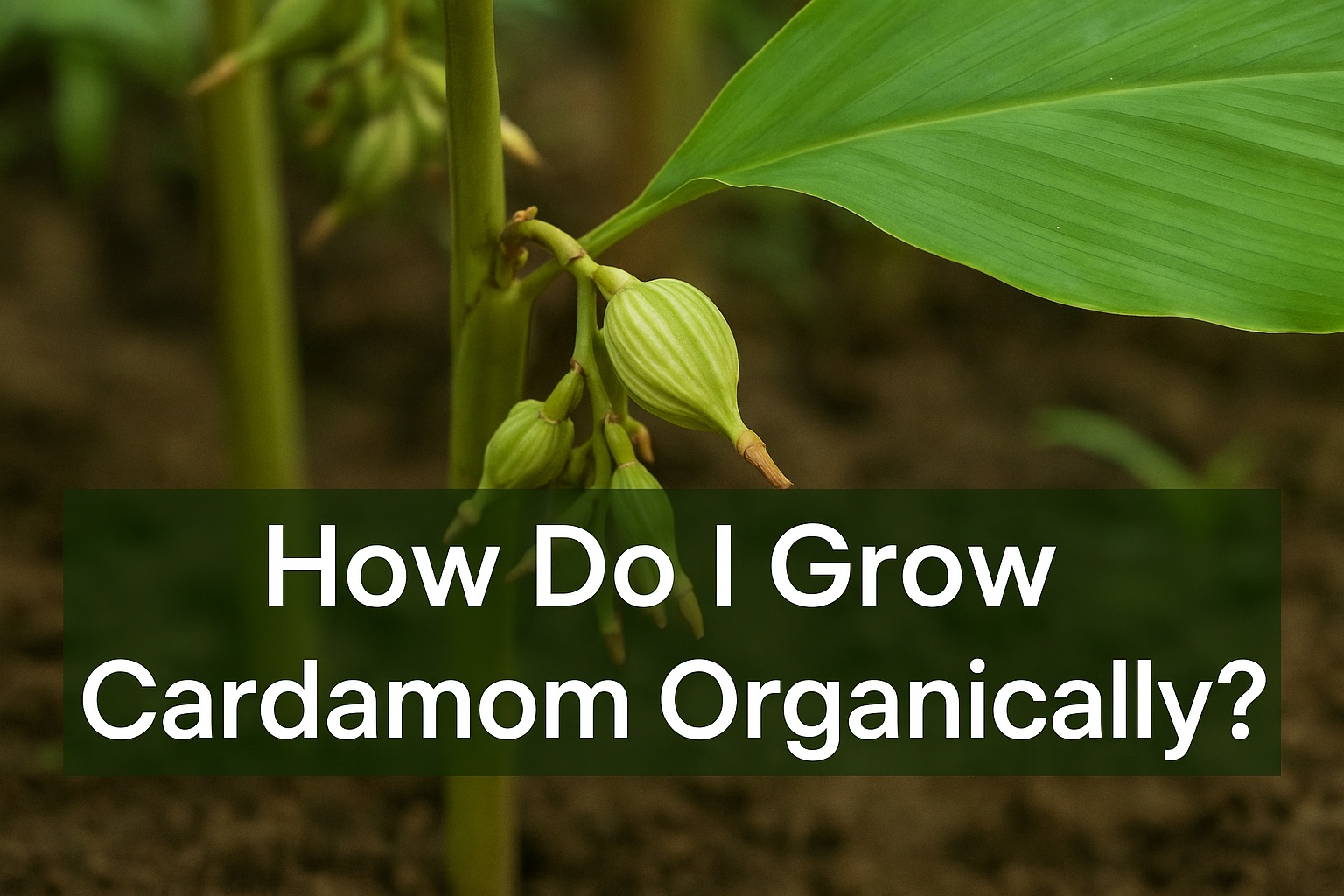
Read moreTo grow cardamom organically, start by choosing certified organic varieties like Elettaria cardamomum and prepare well-drained, nutrient-rich soil using compost, neem cake, and biofertilizers. Plant rhizomes during the early monsoon…
Read moreThe best techniques for high-yield cardamom farming include maintaining 50–60% filtered shade with pruned canopy trees, improving soil fertility using compost, farmyard manure, and proper pH management, and selecting high-yielding…
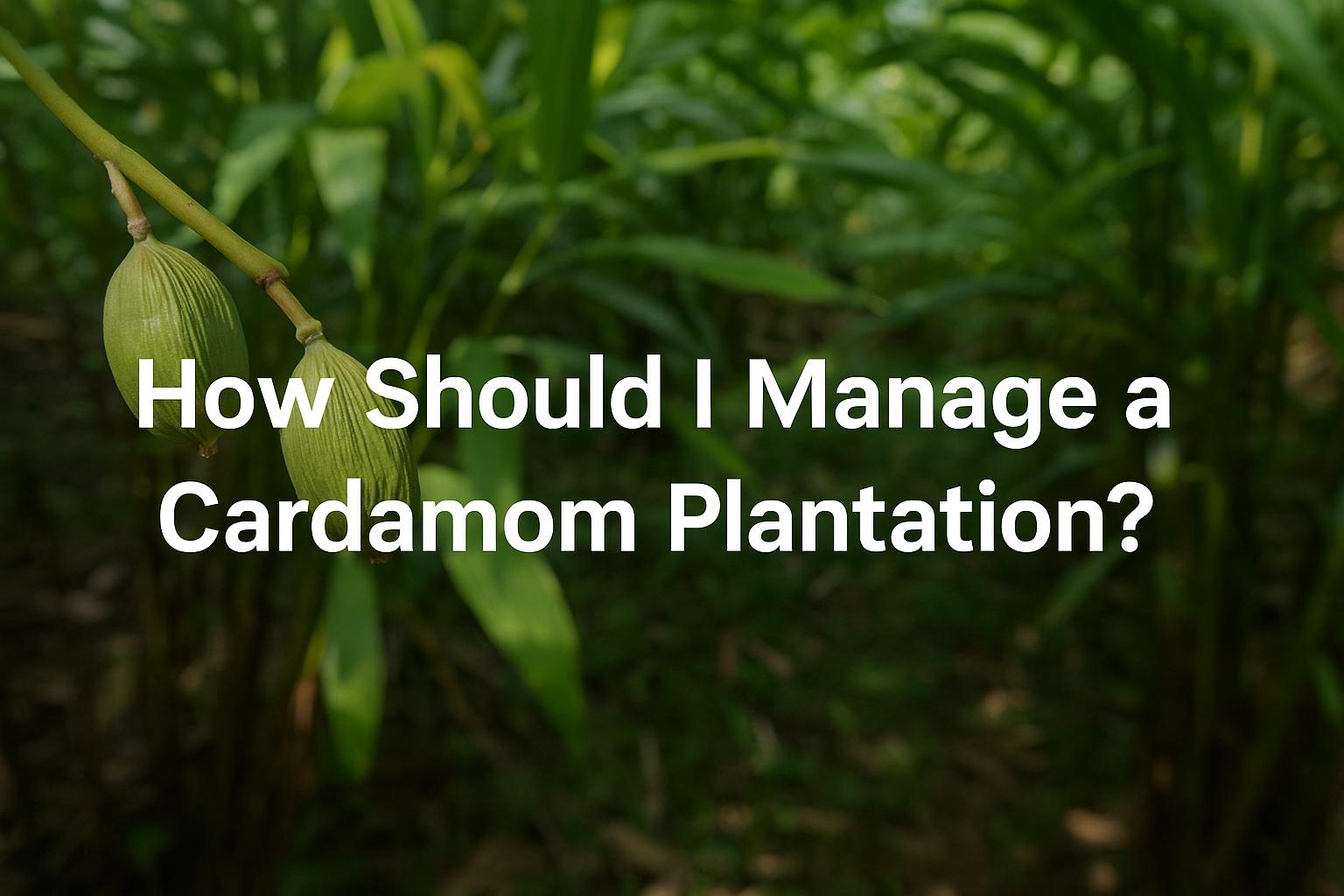
Read moreTo manage a cardamom plantation effectively, start by selecting a humid, shaded site with loamy, well-drained soil and maintain a pH of 5.5–6.5. Use healthy rhizomes, plant during the rainy…
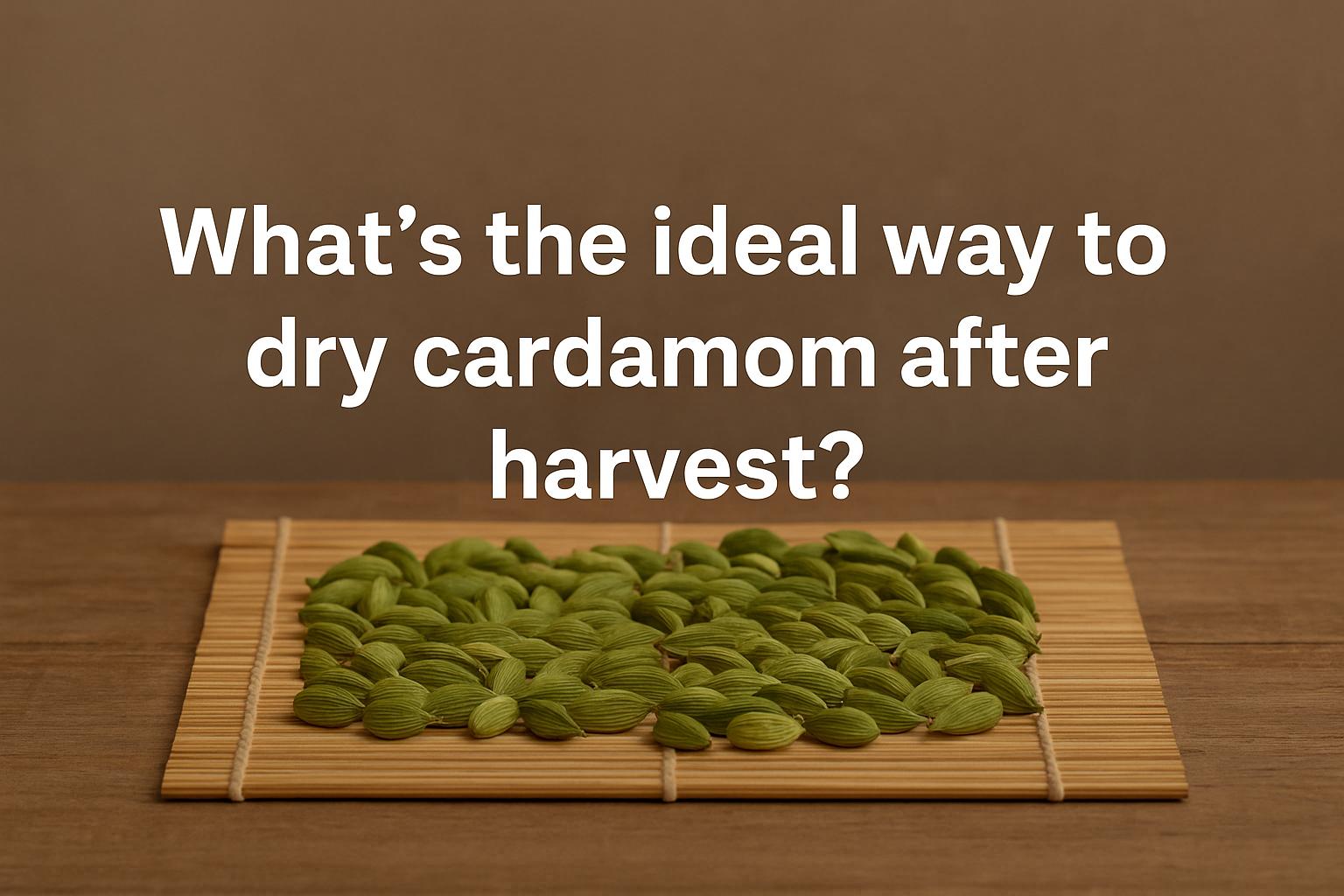
Read moreThe ideal way to dry cardamom after harvest is to reduce moisture quickly while preserving its aroma, color, and essential oils. This is best achieved by drying the pods within…
Read moreTo cure cardamom for better quality, harvest mature green pods and begin drying within 12 hours to prevent mold. Use a combination of shade pre-drying and controlled heat drying at…
Read moreYes, you can grow cardamom in an agroforestry system by replicating its natural forest habitat. Cardamom thrives under partial shade with high humidity, well-drained loamy soil, and consistent moisture—conditions agroforestry…
Read moreYes, cardamom is suitable for intercropping with other spices such as turmeric, ginger, clove, and cinnamon. It thrives under filtered shade and has a shallow root system, making it compatible…
Read moreYes, cardamom can be grown in vertical farming setups when its tropical conditions—such as high humidity, warm temperatures, filtered lighting, and consistent moisture—are carefully controlled. Vertical systems using hydroponics and…
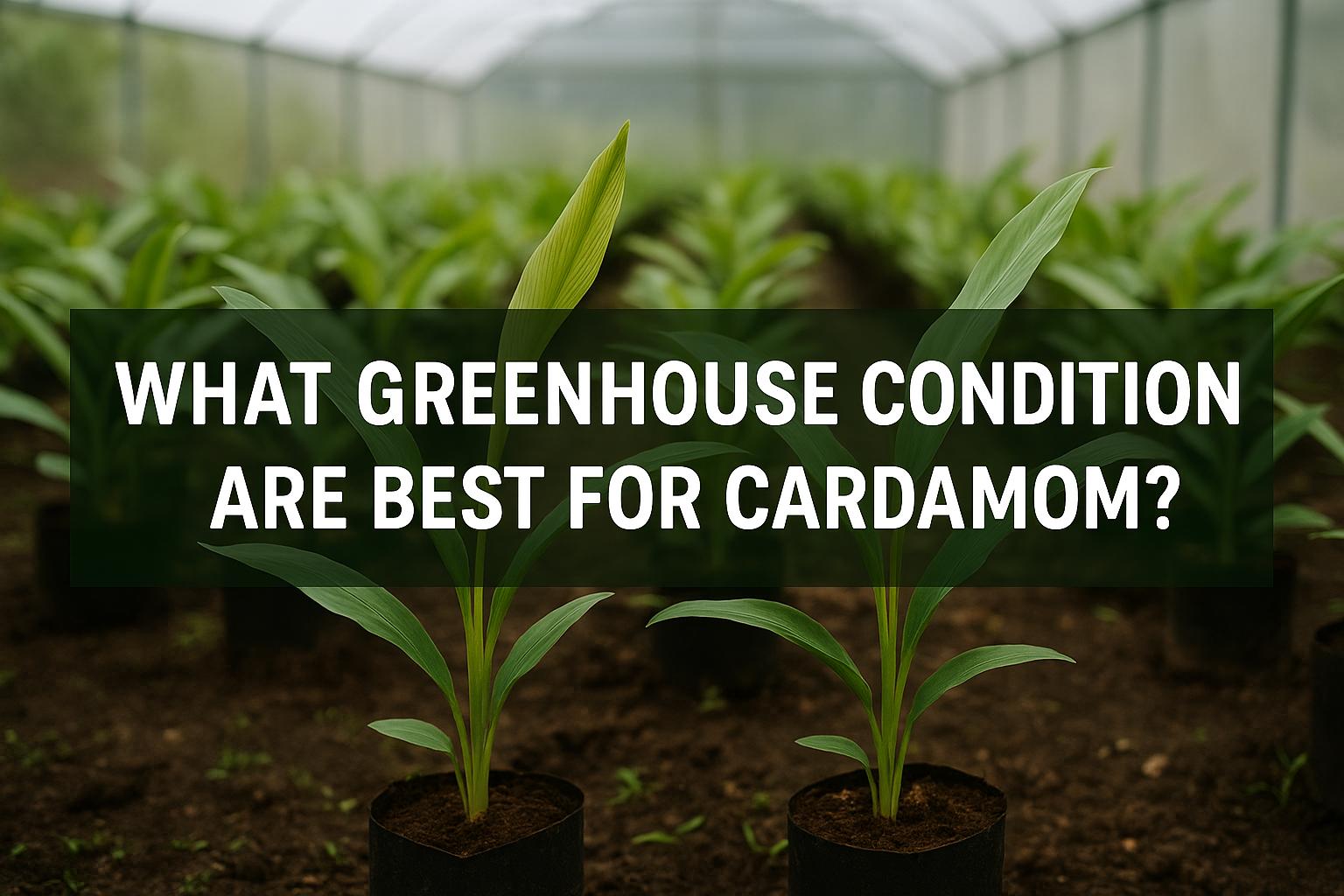
Read moreCardamom grows best in greenhouses with temperatures between 25°C–30°C, humidity levels of 70%–90%, and filtered light using 40%–60% shade nets. The soil should be loamy, slightly acidic (pH 5.5–6.5), and…
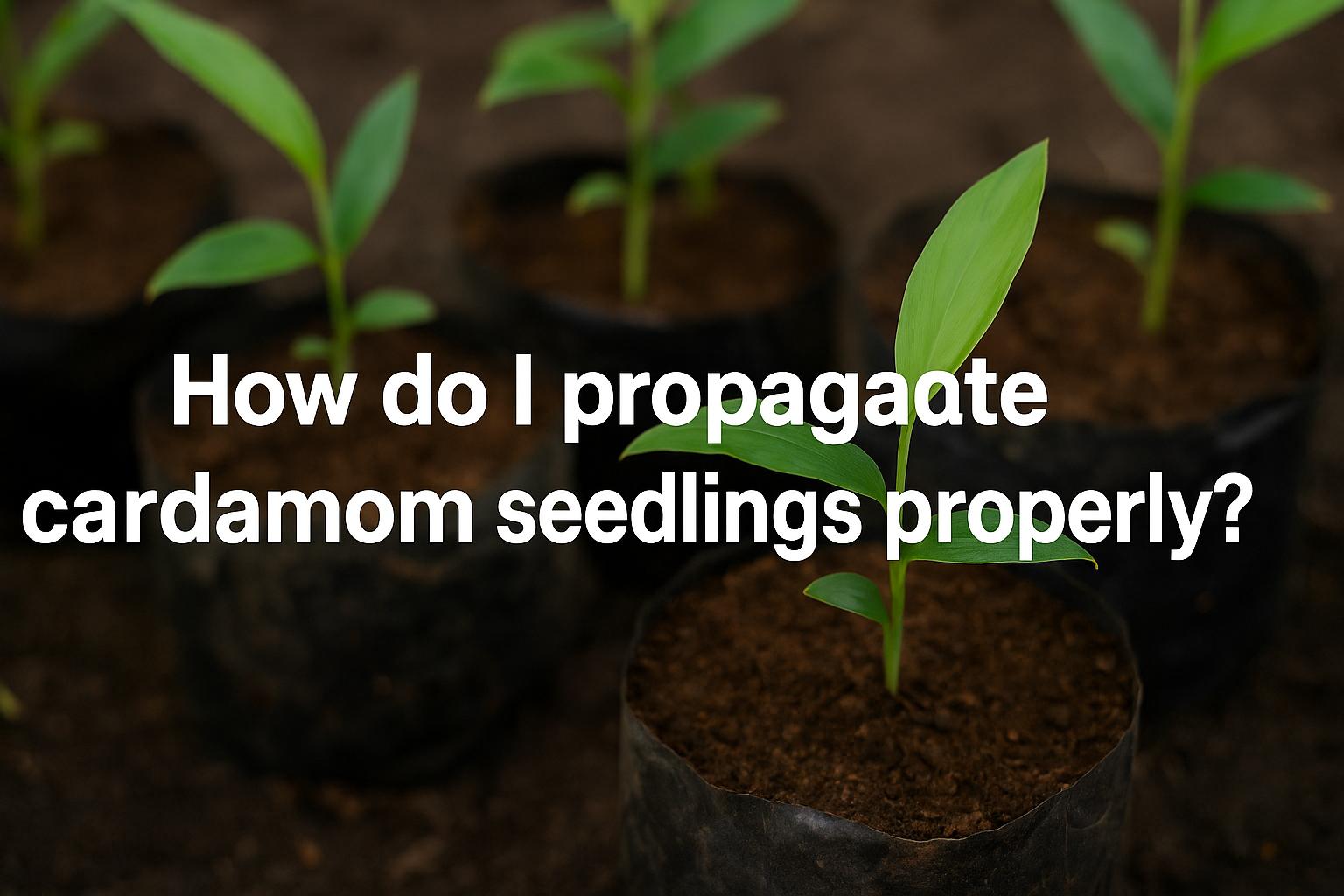
Read moreTo propagate cardamom seedlings properly, use healthy rhizomes or viable seeds planted in rich, well-drained nursery beds under 50–75% shade. Maintain warm temperatures (25–30°C), high humidity (above 80%), and consistent…
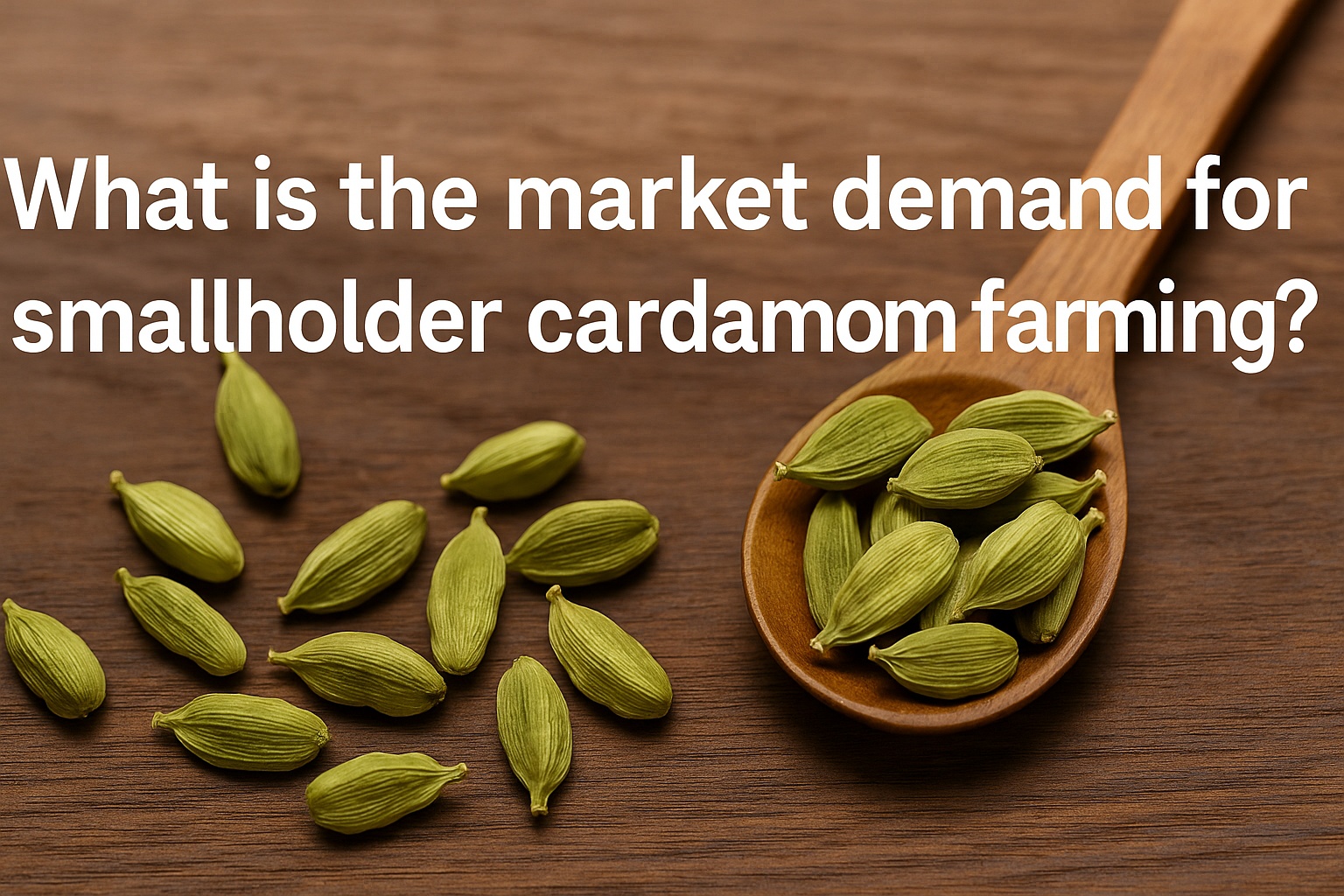
Read moreThe market demand for smallholder cardamom farming is rising steadily due to growing global consumption in food, wellness, and natural health industries. Export markets in the Middle East, Europe, and…
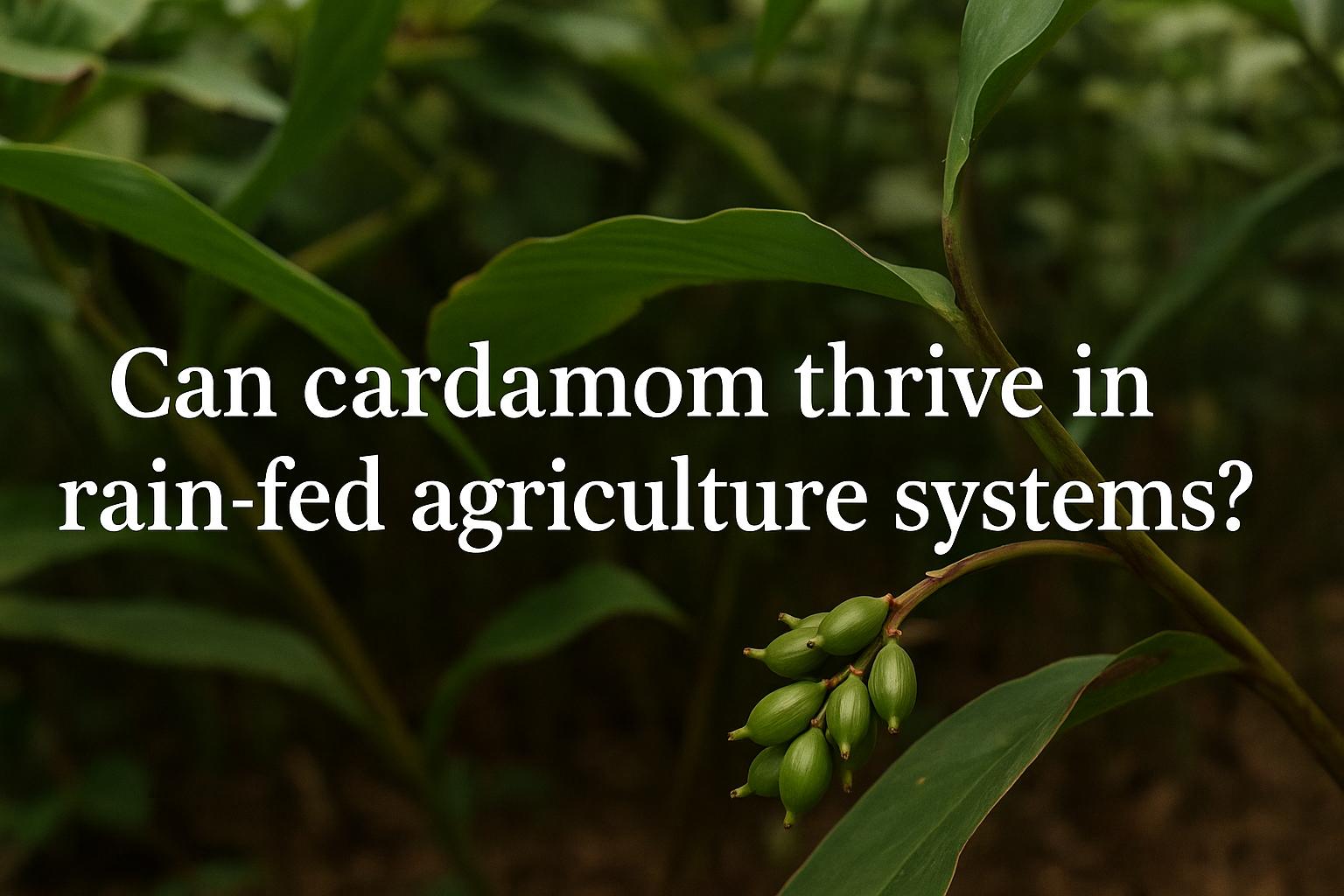
Read moreYes, cardamom can thrive in rain-fed agriculture systems when key conditions are met, including annual rainfall between 1500–3000 mm, consistent seasonal distribution, and proper soil moisture conservation techniques. Success depends…
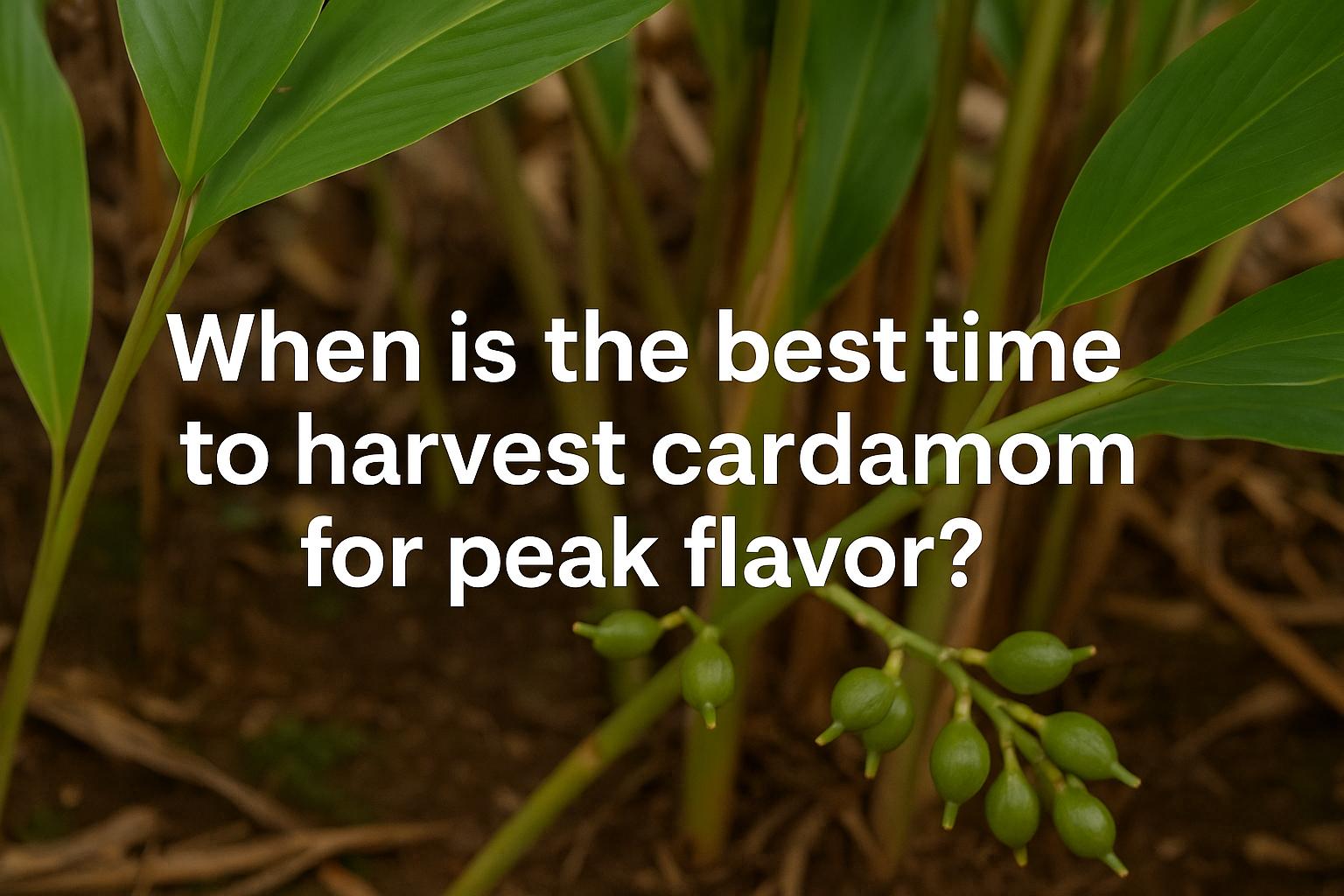
Read moreThe best time to harvest cardamom for peak flavor is 30 to 40 days after flowering, when the pods are fully developed, bright green, firm, and uncracked. This stage ensures…
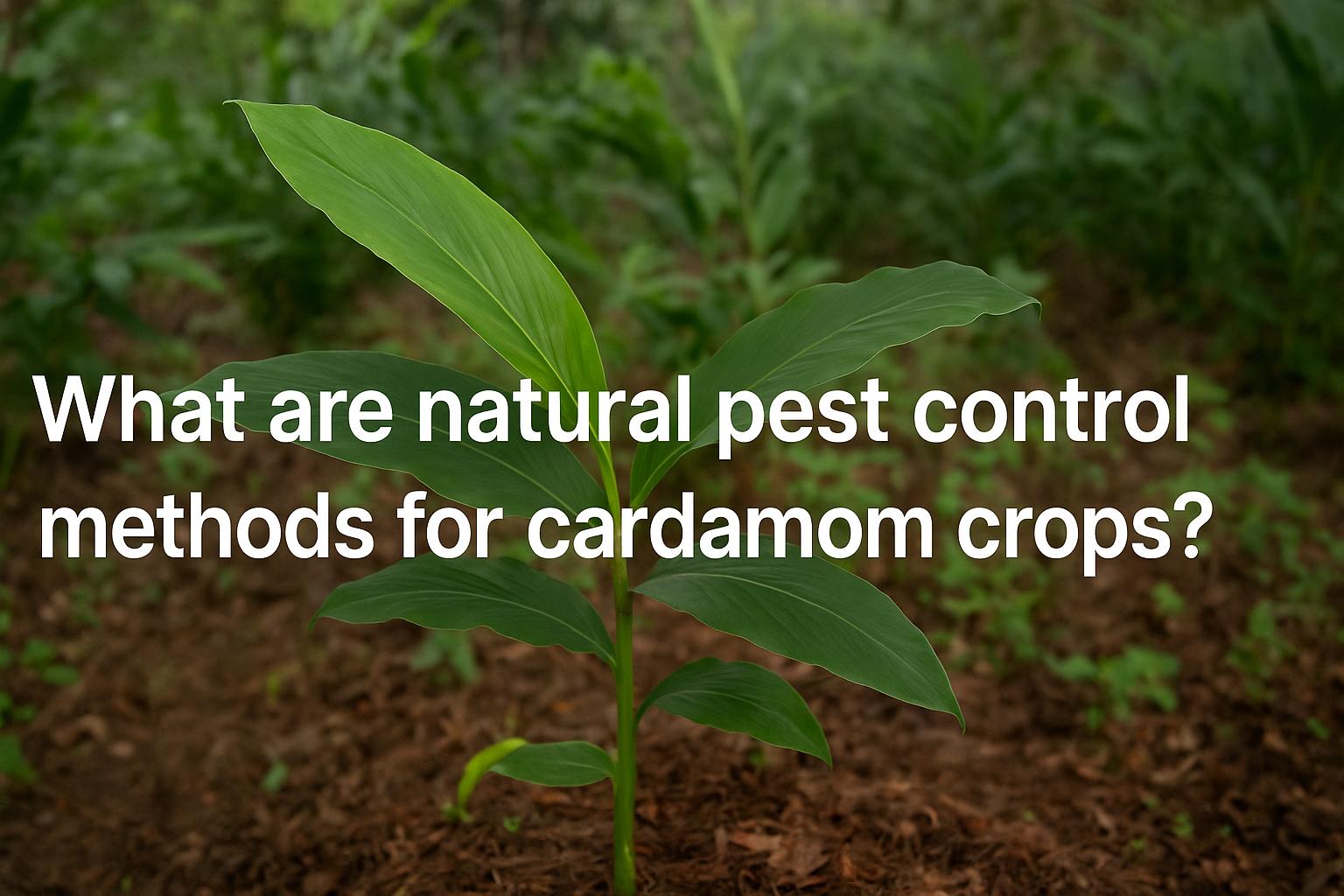
Read moreNatural pest control methods for cardamom crops include neem oil sprays, intercropping with pest-repelling plants like turmeric and lemongrass, and using biological agents such as Beauveria bassiana and Bacillus thuringiensis.…
Read more