Can cardamom strengthen the immune system?
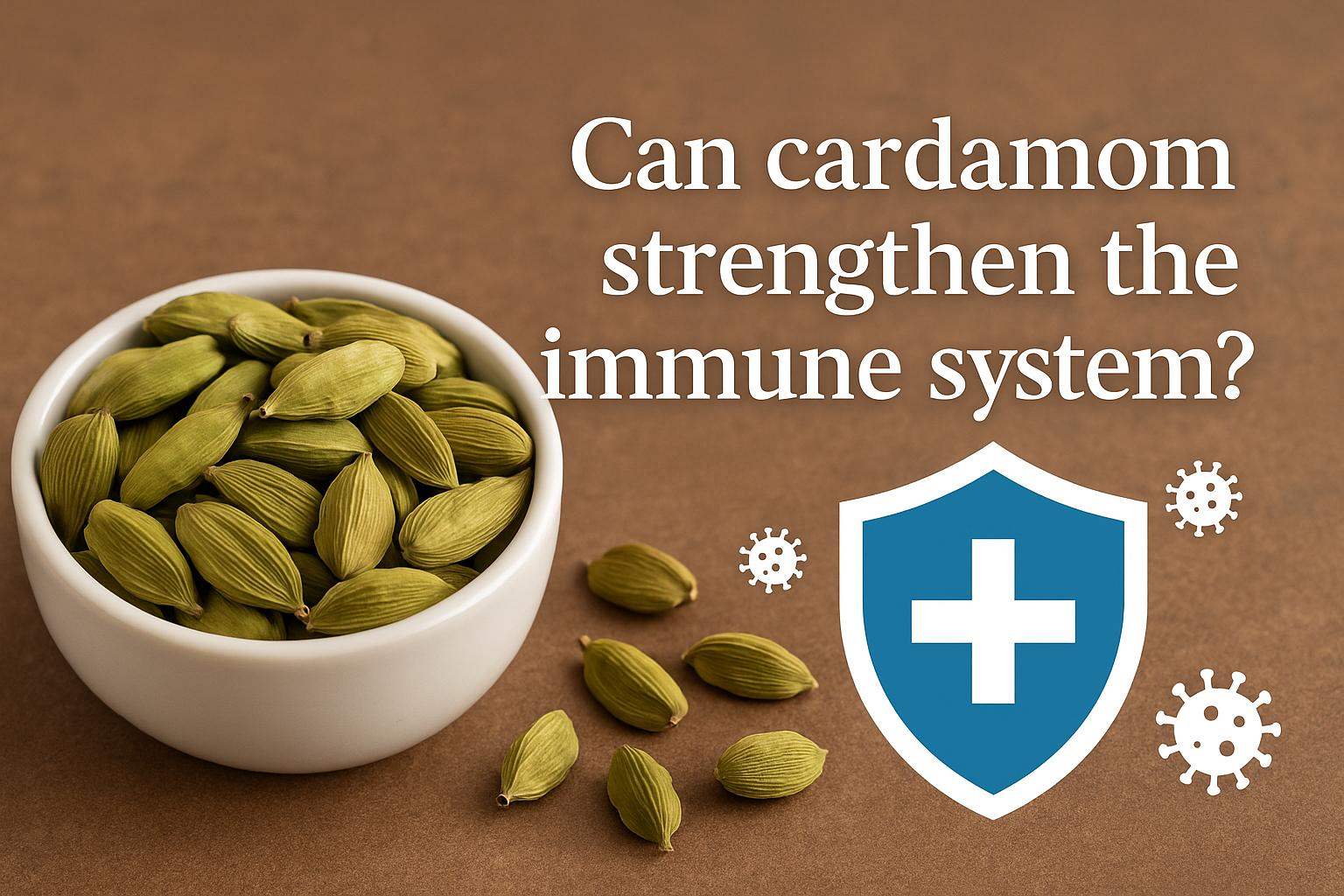
Yes, cardamom can strengthen the immune system by delivering antioxidants, reducing inflammation, and supporting antimicrobial defense. It helps protect white blood cells from oxidative damage, regulates immune responses through cytokine balance, and supports gut and respiratory health—both essential to immune strength. Regular intake of cardamom, especially in teas or meals, provides natural compounds like cineole and quercetin that boost immune resilience without harmful side effects.
How do the antioxidants in cardamom support immune function?
The antioxidants in cardamom play a foundational role in strengthening immune health by protecting immune cells from oxidative damage and supporting recovery from cellular stress.
- Protects T-cells and B-cells from damage
Oxidative stress can impair the functionality of white blood cells. Cardamom’s antioxidants like quercetin and luteolin shield these immune cells, improving their longevity and activity. - Reduces DNA oxidation in immune cells
Oxidative damage to DNA compromises cell replication and immune memory. Antioxidants in cardamom reduce this damage, preserving the body’s long-term immune intelligence. - Regenerates antioxidant enzymes
Cardamom increases the levels of glutathione, superoxide dismutase (SOD), and catalase—enzymes essential for controlling oxidative stress in immune cells. - Mitigates inflammation caused by oxidative imbalance
When oxidative stress rises, inflammation often follows. Cardamom’s antioxidant load helps cut the chain reaction, preserving immune stability. - Counters environmental immune stressors
Exposure to pollution, processed foods, and pathogens raises free radical levels. Antioxidants in cardamom counteract these, preserving immune readiness. - Prevents premature aging of immune cells
Free radical damage accelerates cell aging. Cardamom delays this process in immune cells, helping them maintain full function over time.
Does cardamom have antiviral or antibacterial properties that aid immunity?
Yes, cardamom possesses natural antiviral and antibacterial agents that help the immune system by directly reducing the microbial load and supporting internal defense barriers.
- Inhibits bacterial growth
Compounds like 1,8-cineole, terpinene, and limonene have shown inhibitory effects against bacteria such as Escherichia coli, Staphylococcus aureus, and Salmonella typhi. This reduces infection risk at the gut and skin level. - Blocks viral replication in early stages
Preliminary research shows that cardamom essential oils can interfere with the replication cycles of viruses, including herpes simplex virus, offering early immune defense. - Protects oral and respiratory health
Cardamom’s antimicrobial nature helps prevent throat infections, tooth decay, and bad breath—all common entry points for pathogens that challenge the immune system. - Supports urinary tract immunity
It inhibits bacterial colonization in the urinary tract, an area prone to recurring infections, especially in women and the elderly. - Cleanses digestive tract of harmful microbes
By reducing harmful bacterial overgrowth, cardamom promotes better gut health, which is directly linked to improved immunity. - Prevents biofilm formation
Cardamom disrupts microbial biofilms—protective layers used by bacteria to resist immune attacks—making it easier for the immune system to destroy pathogens.
Can cardamom reduce inflammation and enhance immune resilience?
Yes, cardamom is rich in anti-inflammatory agents that regulate immune responses and help prevent immune exhaustion caused by ongoing inflammation.
- Lowers systemic inflammatory markers
Studies indicate cardamom reduces key inflammation indicators like TNF-alpha, IL-6, and CRP. This eases immune strain and reduces tissue damage. - Blocks pro-inflammatory enzyme activity
Cardamom inhibits cyclooxygenase-2 (COX-2), an enzyme involved in the production of prostaglandins—compounds that trigger inflammation and pain. - Reduces inflammation in chronic conditions
Inflammatory conditions like arthritis, asthma, and IBS are often linked to immune overreaction. Cardamom’s calming effects help ease immune overdrive. - Improves mitochondrial function
By reducing oxidative inflammation, cardamom supports mitochondria, which are essential for energy production in immune cells. - Prevents inflammatory damage in tissues
Anti-inflammatory compounds in cardamom help protect the lungs, liver, and gastrointestinal lining from chronic inflammatory stress. - Supports faster recovery from illness
By calming the immune system post-infection, cardamom allows for quicker recovery and tissue regeneration. - Reduces brain inflammation and supports neuroimmune health
Cardamom may protect against neuroinflammation, which links immune dysfunction with mood and cognitive decline.
Can cardamom be used in daily diet to maintain immune strength?
Yes, cardamom is safe and effective for daily consumption. Incorporating it into your meals and drinks helps maintain a steady level of immune support.
- Easy to add to hot beverages
Crushed cardamom pods or powder can be steeped in tea or boiled with milk to release its active oils, offering a simple daily immunity boost. - Blends well with immune-boosting foods
Combine cardamom with ginger, turmeric, or honey to create powerful anti-inflammatory blends that enhance absorption and effectiveness. - Use in breakfast dishes
Add cardamom powder to smoothies, oatmeal, or pancakes to benefit from its warming and digestive properties that indirectly support immunity. - Can be included in savory meals
Incorporate whole pods in rice, soups, or stews to activate antimicrobial properties during cooking. - Works well in immunity-boosting desserts
Pair cardamom with dates, almonds, or coconut in energy bites or Ayurvedic snacks to create tasty, immune-healthy treats. - Supports consistent immune nourishment
Regular intake is key—using cardamom in small doses daily is more beneficial than occasional large amounts. - Pairs well with probiotic foods
Add it to yogurt or kefir to support gut flora, which strengthens the gut-immune axis.
What are the immune-boosting compounds found in green cardamom?
Green cardamom is packed with natural compounds that directly or indirectly support immune function. These bioactive agents protect against infections, modulate immune signaling, and support overall vitality.
- Cineole (1,8-Cineole)
This terpene has potent antimicrobial and anti-inflammatory effects. Cineole boosts respiratory immunity, making cardamom effective during colds and flu. It helps clear nasal passages and inhibits harmful microbes in the airways. - Alpha-terpinyl acetate
This compound gives green cardamom its characteristic aroma. It also exhibits antimicrobial effects, helping the immune system reduce bacterial colonization in the mouth and gut. - Limonene
Limonene supports detoxification enzymes in the liver, which helps filter toxins that could otherwise impair immune defense. It also has mild antiviral properties. - Quercetin
A well-known flavonoid, quercetin enhances immune response by regulating histamine release and increasing the function of immune cells like macrophages and dendritic cells. - Luteolin
Luteolin works by suppressing inflammatory cytokines and supporting antioxidant pathways. It helps calm immune overactivity, which is vital in maintaining balance during infections. - Tannins
Present in small quantities, tannins help tighten gut junctions and inhibit the adhesion of pathogens to the gut wall, protecting the body’s largest immune organ. - Polyphenols
These compounds scavenge free radicals, preserve immune cell function, and enhance resilience to oxidative and microbial stress.
Can cardamom tea act as a natural immunity booster?
Yes, cardamom tea is a powerful and accessible way to extract the immune-supportive properties of cardamom. Drinking it regularly helps deliver antioxidants and anti-inflammatory agents directly into the bloodstream.
- Activates essential oils through heat infusion
Brewing cardamom in hot water releases volatile oils like cineole and limonene. These oils help combat inflammation and neutralize bacteria and viruses. - Supports respiratory immunity
Cardamom tea clears nasal passages and reduces phlegm. It can soothe sore throats and relieve mild chest congestion, improving upper respiratory defense. - Provides a calming effect on the immune system
Warm cardamom tea helps regulate stress-induced immune suppression. Lowering stress hormones like cortisol preserves immune vigilance. - Combines well with other immune-supportive herbs
Add ginger, tulsi (holy basil), or cinnamon to create an immunity-enhancing herbal infusion. The synergy increases antiviral and antimicrobial potency. - Improves digestion and nutrient absorption
Healthy digestion supports the assimilation of vitamins like C and zinc, both vital for immune defense. Cardamom tea helps relieve bloating and gas, making the gut environment more balanced. - Promotes hydration and detoxification
Staying hydrated is crucial for immune function. Cardamom tea is caffeine-free and acts as a gentle detoxifying agent to flush toxins from the body.
What role does cardamom play in gut health and immune regulation?
Cardamom directly influences gut health, which is closely tied to immune strength. Around 70% of the immune system is located in the gut, making gastrointestinal support essential for optimal immune function.
- Balances gut microbiota
Cardamom helps control the overgrowth of harmful bacteria like Clostridium difficile and E. coli, promoting a healthy microbial balance that benefits immune regulation. - Improves intestinal barrier integrity
Its compounds strengthen the gut lining and prevent leaky gut, a condition that allows toxins and pathogens to enter the bloodstream and burden the immune system. - Aids in healthy digestion
Cardamom stimulates digestive enzymes, ensuring proper breakdown of nutrients. Better nutrient absorption means the body gets more immune-essential vitamins like B6, selenium, and iron. - Reduces gut inflammation
Its anti-inflammatory action soothes irritable bowel conditions and reduces chronic immune activation caused by gut disturbances. - Stimulates bile flow and detoxification
Proper bile production helps eliminate pathogens and undigested waste. Cardamom stimulates bile release, maintaining immune clarity. - Modulates immune signaling in the gut lining
Compounds in cardamom influence dendritic cells in the intestinal mucosa, helping fine-tune immune responses to dietary and microbial inputs. - Prevents gas and bloating that disturb gut-immune balance
Bloating can irritate the gut lining and disrupt immune signals. Cardamom relaxes the intestinal tract and reduces fermentation.
Is cardamom safe and effective for immune support in children and elderly?
Cardamom is considered safe for both children and elderly individuals when used in appropriate doses. Its gentle nature makes it suitable for age-sensitive immune support.
- Well-tolerated in small amounts
Even in sensitive groups, cardamom does not commonly cause allergic or gastrointestinal reactions when used moderately in teas or meals. - Boosts respiratory defense in children
Children prone to coughs, colds, or sinus infections may benefit from warm cardamom milk or cardamom-infused honey (for children over one year old). - Supports digestion in the elderly
Seniors often struggle with slow digestion. Cardamom stimulates gastric secretions and helps break down food more efficiently, supporting immunity through improved gut health. - Promotes restful sleep and reduced immune stress
Cardamom’s mild sedative effect can help calm nervous systems, especially in elderly people with sleep disturbances, supporting immune regeneration. - Eases inflammation in age-related conditions
For seniors with arthritis or inflammation-driven ailments, cardamom offers safe anti-inflammatory support that also assists immune balance. - Delivers antioxidants safely without risk of toxicity
Cardamom provides a low-dose but continuous antioxidant supply, which is safer for long-term use in vulnerable age groups. - Can be administered through palatable forms
Easy to use in tea, warm milk, or soft foods like rice pudding, making it simple to include in regular diets without resistance from picky eaters or those with chewing difficulty.
What’s the ideal dosage of cardamom for immune support?
Cardamom is most effective when consumed consistently in moderate daily doses. Using it within its safe intake range ensures you get the benefits without overstimulation.
- Recommended intake: 1–2 grams per day of ground cardamom
This equates to roughly ½ to 1 teaspoon of cardamom powder or 2–3 whole pods. It delivers enough active compounds without overwhelming the digestive system. - For tea: Use 2–3 crushed pods per cup
Boiling cardamom in water for 5–10 minutes is the best way to extract its volatile oils and immune-modulating compounds. - For culinary use: Add during cooking to preserve actives
Add cardamom to stews, curries, or rice dishes near the end of cooking to retain its flavor and medicinal properties. - Do not exceed 5 grams per day unless under supervision
Larger doses may cause heartburn or interfere with certain medications. Always consult a health professional for therapeutic use. - Split doses throughout the day for better absorption
Instead of one large intake, divide cardamom across meals or drinks to maintain a steady flow of antioxidants and antimicrobial agents. - Ensure high-quality sourcing for potency
Fresh, well-stored cardamom like what we offer at ABIE Cardamon contains higher concentrations of active oils than low-grade or old stock. - Use consistently for 4–6 weeks to notice immune impact
Cardamom builds its effects over time, particularly when supporting immunity during seasonal changes or chronic stress.
Is cardamom effective in preventing seasonal infections like colds or flu?
Yes, cardamom helps reduce vulnerability to seasonal infections by boosting respiratory immunity and reducing microbial growth during periods of environmental stress like winter or rainy seasons.
- Fights viruses responsible for colds and flu
Cardamom contains compounds like cineole that have shown activity against respiratory viruses by disrupting their replication and supporting faster clearance by the immune system. - Reduces mucus buildup and nasal congestion
Cardamom acts as a natural expectorant. It helps clear mucus from the lungs and sinuses, making it easier for the immune system to access and eliminate pathogens. - Relieves sore throat and inflammation
The warming properties of cardamom soothe irritated throat tissues and reduce inflammation, commonly triggered during infections like tonsillitis or influenza. - Improves respiratory airflow and lung function
By relaxing bronchial muscles and enhancing airflow, cardamom supports better oxygen exchange, helping immune cells function more effectively. - Combines well with honey and ginger for immunity
A blend of cardamom, honey, and ginger creates a synergistic formula to combat viral and bacterial triggers, commonly used in traditional cold remedies. - Can be used preventively during cold-prone months
Regular intake during peak flu season helps build immune resilience. Consuming cardamom tea or milk daily acts as a natural preventive strategy. - Supports fever recovery and energy restoration
Cardamom gently stimulates circulation and digestion, helping the body recover faster from seasonal infections and fatigue.
How does cardamom affect white blood cell activity or production?
Cardamom plays an indirect yet significant role in protecting and enhancing the functionality of white blood cells (WBCs), which are critical to the body’s defense system.
- Protects WBCs from oxidative damage
Cardamom’s antioxidant properties preserve the structural integrity of WBCs, enabling them to function longer and more effectively. - Enhances phagocytic activity
Studies show that cardamom compounds increase the engulfing activity of macrophages and neutrophils, helping remove harmful microbes efficiently. - Improves cytokine signaling in immune cells
Cardamom supports balanced cytokine release, ensuring white blood cells receive the correct signals for deployment and deactivation during infection control. - Supports proliferation in healthy immune environments
While cardamom doesn’t directly increase WBC production, it fosters a healthy internal environment—free from inflammation and toxins—where immune cell regeneration thrives. - Reduces leukocyte stress during infection
Infections can lead to immune exhaustion. Cardamom helps calm inflammation and oxidative stress, preventing premature immune burnout. - Helps balance immune overreaction
In autoimmune cases or hyper-inflammatory responses, cardamom helps modulate WBC activity, preventing the immune system from attacking the body’s own tissues.
Does regular consumption of cardamom help in autoimmune management?
Yes, cardamom’s anti-inflammatory and immune-modulating properties can assist in managing autoimmune disorders by calming the immune system without suppressing its defense capabilities.
- Suppresses overactive immune responses
Cardamom contains flavonoids that help lower the expression of inflammatory cytokines like IL-1β and TNF-α, which are commonly elevated in autoimmune flare-ups. - Protects tissues from immune-related damage
In autoimmune diseases, the immune system mistakenly attacks healthy tissue. Cardamom helps reduce the oxidative damage and inflammation that worsen symptoms. - Supports gut integrity to reduce autoimmunity triggers
Many autoimmune issues stem from compromised gut linings. Cardamom helps strengthen gut barriers and reduce antigen leakage into the bloodstream. - May assist in joint and muscle pain relief
Conditions like rheumatoid arthritis and lupus involve chronic joint inflammation. Cardamom’s anti-inflammatory action offers a natural, non-toxic alternative to synthetic relief. - Complements conventional medication regimens
Cardamom can be used safely alongside prescribed immune-modulating drugs, as long as intake is moderate and approved by a healthcare provider. - Reduces systemic inflammation, lowering flare-up risk
Regular intake may lead to more stable immune regulation and fewer unexpected autoimmune episodes.
How does cardamom compare to other immune-supporting spices?
Cardamom stands out among other immunity-enhancing spices due to its broad-spectrum support, digestibility, and versatility in use.
- Less pungent but equally effective
Compared to garlic or black pepper, cardamom is milder on the palate and stomach while offering similar antimicrobial and antioxidant benefits. - More digestive-friendly than turmeric
Turmeric can sometimes cause gastric irritation, especially in high doses. Cardamom supports digestion and prevents discomfort, even in sensitive users. - Pairs well with immune spice blends
Cardamom complements ginger, cinnamon, and cloves in both flavor and immune synergy. These combinations boost absorption and immune system activation. - Safer for long-term use
Unlike echinacea or high-dose turmeric, which may need cycling or carry contraindications, cardamom is safe for sustained use in daily diets. - Offers respiratory and gut immunity simultaneously
While many spices target one body system, cardamom covers multiple immune axes—from respiratory protection to gut lining support. - No unpleasant after-effects
Garlic, for instance, may cause strong body odor or reflux. Cardamom leaves a pleasant aroma and freshens breath, adding value in daily routines.
Are there any scientific studies linking cardamom to immune system benefits?
Yes, several scientific studies confirm the immunological benefits of cardamom, focusing on its antioxidant, antimicrobial, and anti-inflammatory properties.
- Antibacterial activity confirmed by laboratory research
A 2018 study in the Journal of Ethnopharmacology found that cardamom essential oil inhibits multiple strains of bacteria, including Staphylococcus aureus and E. coli. - Antioxidant effects validated in vivo
Research published in Frontiers in Pharmacology (2020) demonstrated that cardamom increases the activity of endogenous antioxidants like glutathione, supporting immune cell integrity. - Anti-inflammatory mechanisms studied in rat models
Animal studies show that cardamom reduces inflammatory markers and tissue damage in induced arthritis models, suggesting a role in immune modulation. - Potential immune-regulatory effects in human trials
Small clinical trials have shown that cardamom supplementation can reduce blood pressure and inflammatory markers in humans, which are relevant to immune health. - Ongoing studies on cardamom and respiratory support
Preliminary investigations are examining cardamom’s impact on viral infections and lung inflammation, relevant for immunity in post-viral recovery. - Further exploration needed
While foundational evidence exists, more large-scale clinical trials are needed to confirm its full range of immune applications in humans.
Strengthening Immunity Naturally with Cardamom
Cardamom boosts immunity through its antibacterial, antiviral, and detoxifying properties. It supports lung health, digestion, and systemic defense when used in daily teas or tonics. To create powerful immune blends, buy green cardamom pods for immune support.
For soft, everyday use in herbal blends, shop Thai cardamom online for immunity teas.
Conclusion
Cardamom is a time-tested spice with powerful modern relevance in immune health. From its antioxidant profile to its role in modulating inflammation and supporting the gut and respiratory systems, it offers a multi-faceted approach to building and sustaining immunity. Whether used in tea, food, or herbal blends, cardamom provides daily protection without the risks associated with many synthetic options.
At ABIE Cardamon, we offer the highest-quality cardamom available online, trusted by households and wellness professionals globally. We provide discreet packaging, overnight delivery in the USA and Canada, and fast international shipping within 5–7 days. Our 30-day refund or replacement guarantee ensures customer satisfaction in every order.
If you’re ready to fortify your immunity naturally, it starts with a spice trusted for generations. Choose ABIE Cardamon for purity, potency, and performance.
Cardamom’s Role in Immunity and Wellness Defense
Cardamom is packed with antioxidants and antibacterial compounds that help fortify the immune system. Whether used in teas, tonics, or seasoning blends, it supports white blood cell activity and overall defense. To better understand its antioxidant power, check Does cardamom provide antioxidant benefits?.
Pairing cardamom with calming rituals helps reduce immune-suppressing stress. See What are the stress relief benefits of cardamom tea? to support the body’s natural equilibrium.
Gut health is also essential for immunity. Visit Does cardamom help gut health and probiotics? to see how cardamom supports a diverse microbiome. These internal links create a foundation for building immunity from the inside out.