
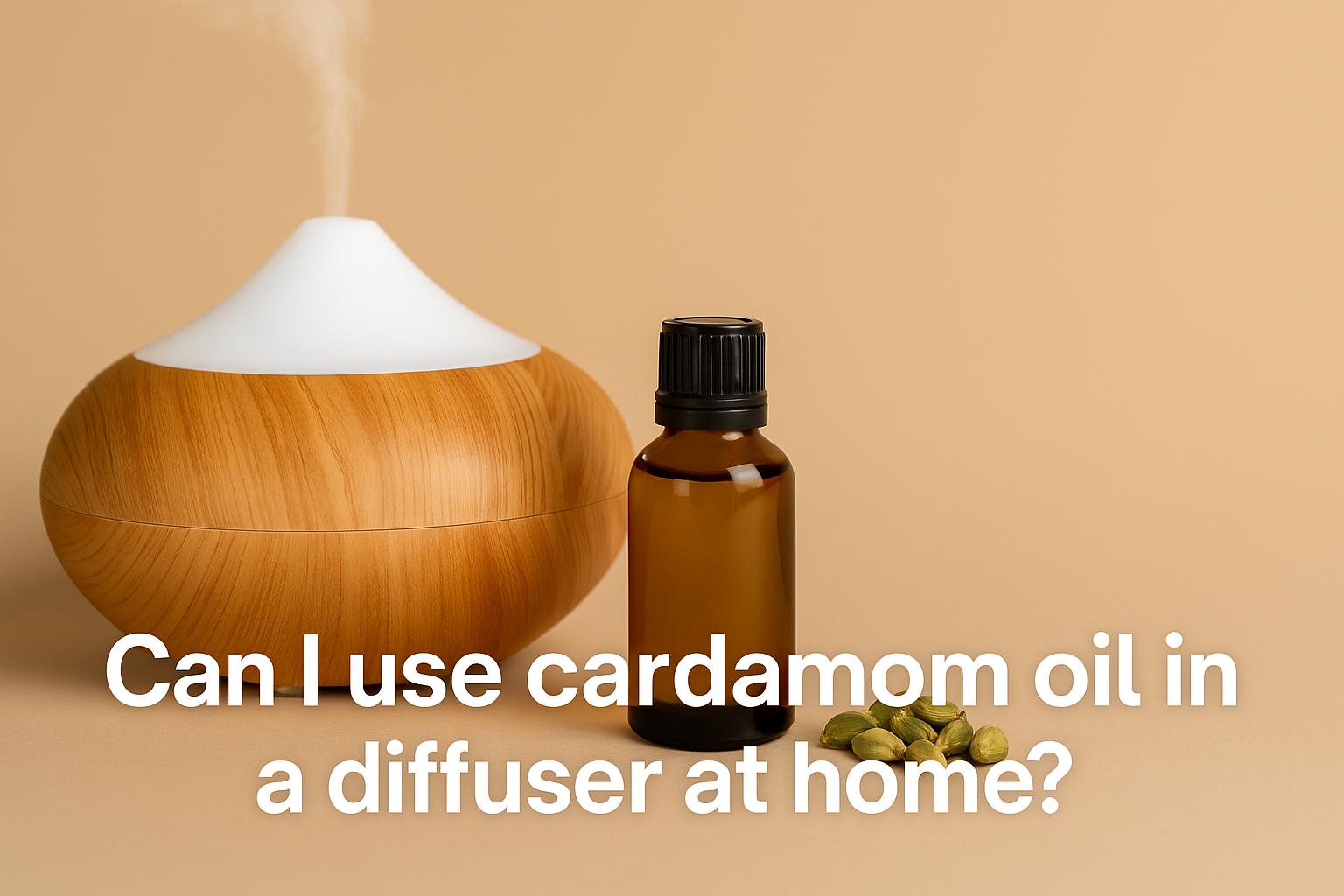
Can I use cardamom oil in a diffuser at home?
Yes, you can use cardamom oil in a diffuser at home. It’s safe, effective, and delivers a warm, sweet-spicy aroma that enhances air quality, supports relaxation, and improves mood. Use 3–5 drops in an ultrasonic diffuser or blend it with a carrier oil for reed diffusers. Cardamom oil is compatible with other essential oils like lavender, lemon, or eucalyptus, and is suitable for various times of day—from energizing mornings to calming evenings. Always diffuse in a well-ventilated area and reduce quantity around children or pets.
Is cardamom oil safe for home diffusers?
Cardamom oil is considered safe for household diffusion, provided it’s used correctly. It is non-toxic when used in small amounts and does not irritate the respiratory tract for most people.
- Recognized as a mild and gentle essential oil.
Compared to stronger oils like cinnamon or oregano, cardamom is one of the mildest in the spice family. It poses minimal risk of irritation when diffused in standard household amounts. - Requires proper dilution with water in ultrasonic diffusers.
Essential oils should never be used undiluted in a diffuser. Cardamom oil is highly concentrated, so always dilute it in water as per your diffuser’s instructions to avoid equipment damage or overpowering scent. - Avoid direct exposure to infants and sensitive individuals.
While safe for general use, infants under 6 months and individuals with scent sensitivity may react to strong aromas. In such cases, use lower concentrations and ventilate the room well. - Free from toxic residues when used responsibly.
Cardamom oil does not leave behind sticky or harmful residue when used in ultrasonic diffusers. This makes cleaning your device easier and ensures no buildup over time. - Has GRAS (Generally Recognized As Safe) status for aromatherapy.
The U.S. FDA classifies cardamom oil as GRAS for consumption in small amounts, and this safety extends to aromatic applications when used within typical household levels.
How much cardamom oil should I use in a home diffuser?
The right amount of cardamom oil depends on room size, diffuser type, and the user’s scent preference. However, safe diffusion ranges are well established.
- Standard dosage is 3–5 drops per 100 ml of water.
This amount produces a noticeable but not overpowering fragrance in average-sized rooms. Adjust up to 7–8 drops for larger or open-plan areas. - For small rooms, use 2–3 drops.
In bathrooms, small bedrooms, or enclosed spaces, lower amounts are best to prevent scent saturation and to accommodate sensitive users. - High-capacity diffusers may require more drops.
Diffusers with tanks over 300 ml can handle 8–10 drops without overwhelming the environment. Always check the diffuser’s max recommended oil load. - Use time-based sessions for controlled exposure.
Run the diffuser for 15–30 minutes per session, 2–3 times a day. This ensures freshness and minimizes scent fatigue. - Avoid overuse to prevent oil waste or nasal discomfort.
Excessive drops won’t necessarily intensify benefits and may cause headaches or allergic reactions in enclosed rooms. Start low and increase only if needed.
Is cardamom oil suitable for ultrasonic and reed diffusers?
Cardamom oil adapts well to both ultrasonic and reed diffuser systems, provided it’s handled correctly for each format.
- Perfectly suited for ultrasonic diffusers.
Mix the essential oil with water in the unit’s tank. The ultrasonic vibrations break the mixture into a fine mist, distributing the scent evenly. - Requires carrier oil dilution for reed diffusers.
Reed diffusers use a carrier oil base (like fractionated coconut or sweet almond oil). Cardamom essential oil should be added at a 10–20% concentration for ideal wicking through the reeds. - Cardamom’s medium volatility suits both systems.
It evaporates neither too quickly nor too slowly, which makes it effective for constant release in reed diffusers and short bursts in ultrasonic models. - Ultrasonic diffusers are better for strong, quick effects.
For immediate scent control or therapeutic use, ultrasonic options are ideal. Cardamom oil delivers effects faster in this format. - Reed diffusers offer long-term ambient scenting.
When blended well, cardamom oil in a reed setup provides days to weeks of background aroma without needing power or maintenance.
Can cardamom oil be blended with other essential oils in a diffuser?
Yes, cardamom oil blends easily with many complementary essential oils. This allows you to create tailored scent profiles for different home environments.
- Blends well with citrus oils for freshness.
Combine cardamom with lemon, sweet orange, or bergamot to brighten kitchens or dining areas. This creates a clean, zesty aroma with warmth. - Pairs with woody or resinous oils for grounding.
Cedarwood, sandalwood, and frankincense blend with cardamom to make a deeper, more meditative scent ideal for home offices or yoga spaces. - Enhances floral oils for emotional calm.
Mix with ylang-ylang, lavender, or geranium to balance cardamom’s spicy edge with sweetness. This is perfect for bedrooms and evening routines. - Combines with minty oils for respiratory support.
When paired with peppermint or eucalyptus, cardamom supports clearer breathing and is ideal for diffusing during colds or allergy seasons. - Use synergy blends with 1:1 or 2:1 ratios.
Start with equal drops of cardamom and another oil, or 2 drops cardamom to 1 drop secondary oil. Adjust based on strength and scent goals.
What are the benefits of diffusing cardamom oil indoors?
Diffusing cardamom oil indoors provides several physical, mental, and environmental benefits. Its natural properties support wellness and enhance the atmosphere of your home.
- Promotes a clean and inviting indoor aroma.
Cardamom oil delivers a warm, spicy-sweet scent that removes stale or unpleasant odors. It refreshes kitchens, living rooms, and bathrooms without synthetic sprays. - Supports mental clarity and alertness.
Inhaling cardamom’s aromatic compounds stimulates the nervous system gently. This can improve focus, reduce brain fog, and help during work-from-home sessions. - Creates a calming, stress-reducing atmosphere.
Cardamom’s natural oils help ease tension and emotional fatigue. Diffusing it during evening hours supports mental recovery from busy days. - Acts as a mild respiratory aid.
Cardamom’s cineole content has expectorant qualities, which may help ease minor congestion and open nasal passages during seasonal changes. - Uplifts mood and emotional balance.
The scent stimulates serotonin pathways, encouraging a relaxed but positive mood. This makes it valuable in emotionally heavy or low-energy environments. - Pairs well with routines like yoga or reading.
Cardamom oil adds sensory warmth and grounding focus to personal rituals, from meditation to journaling. It blends well with essential oils like patchouli and vetiver for these moments. - May reduce tension headaches when inhaled.
Anecdotal evidence suggests the soothing scent may help ease the onset of mild headaches linked to stress or sensory overload.
How does cardamom oil affect room fragrance when diffused?
Cardamom oil changes the scent profile of a room by adding depth, warmth, and gentle spice. It’s especially useful in spaces that benefit from an elegant, natural aroma.
- Produces a balanced scent that isn’t overpowering.
Unlike heavy spices, cardamom has a soft sweetness that makes it ideal for subtle air enhancement. It doesn’t dominate a room unless overused. - Adds a clean and refined fragrance tone.
The scent is peppery, slightly citrusy, and clean—making it appropriate for both modern and traditional home styles. It doesn’t feel artificial or chemical-laden. - Helps mask strong odors in kitchens and bathrooms.
Cardamom neutralizes smells from cooking, waste, or moisture. It blends well with lemon or clove to sanitize the air naturally. - Lingers gently in fabrics and soft surfaces.
When diffused for extended periods, the scent softly infuses into curtains, cushions, and upholstery, extending its presence without becoming stale. - Pairs well with festive and seasonal blends.
Cardamom works well in holiday-inspired scent mixes (with cinnamon, orange, or pine), enhancing the warmth of seasonal indoor settings.
Can diffused cardamom oil improve sleep quality?
Yes, cardamom oil can support better sleep by calming the mind and relaxing the body. It’s most effective when used as part of a nighttime aromatherapy routine.
- Acts as a gentle sedative when inhaled before bed.
The oil’s natural calming properties slow overactive thoughts, helping transition into sleep mode without harsh effects or grogginess. - Reduces nighttime stress and restlessness.
Diffusing cardamom oil in the evening lowers cortisol levels, promoting deeper rest. This is especially helpful for those who overthink or feel wired before bed. - Blends with lavender for deeper relaxation.
Combine 2 drops of cardamom with 3 drops of lavender in a diffuser for a proven sleep-aid blend that encourages peaceful slumber. - Improves bedroom air quality while you sleep.
In addition to scent, the mist helps humidify dry rooms, easing breathing and preventing dryness-related wakefulness. - Safe for routine nightly use.
Unlike synthetic room sprays, cardamom essential oil poses no risks of long-term inhalation exposure when used in appropriate quantities. - May support better dreams through nervous system calm.
Its subtle mood regulation can influence dream cycles, especially when paired with other soothing scents like frankincense or blue chamomile.
Does diffusing cardamom oil help with stress relief at home?
Yes, cardamom oil is widely known for its stress-relieving qualities, especially when used consistently in relaxing environments like bedrooms, offices, or quiet zones.
- Calms the mind by balancing stress-related hormones.
Aromatherapy studies show that cardamom oil helps reduce cortisol and other tension-related chemicals through olfactory stimulation. - Promotes parasympathetic nervous system activity.
Inhalation of its aroma shifts the body out of “fight or flight” mode, into “rest and digest,” slowing heart rate and easing muscular tension. - Supports mood stabilization in emotional times.
Use during stressful phone calls, work meetings, or post-conflict situations to reduce residual anxiety and promote emotional clarity. - Ideal for diffusing during mental breaks.
Set aside 10–15 minutes to diffuse cardamom oil mid-day with closed eyes and focused breathing. This reduces burnout and increases energy resilience. - Pairs well with journaling or meditation.
Cardamom fosters introspection and openness, making it an excellent companion for activities that process emotion and restore inner balance. - Complements other stress-relief oils like bergamot and vetiver.
Create blends tailored to your emotional needs, layering cardamom’s warmth with citrus uplift or earthy calm.
Can cardamom oil in a diffuser help with respiratory comfort indoors?
Cardamom oil supports respiratory comfort by gently opening airways and reducing minor nasal congestion, especially in dry or polluted environments.
- Contains 1,8-cineole, a known respiratory aid.
This compound loosens phlegm and helps clear mucus from the airways, making it easier to breathe during colds or sinus blockages. - Reduces throat and chest tightness through steam inhalation.
When diffused in a humid environment, cardamom oil’s moist vapors soothe dry throats and alleviate irritation from allergens or indoor dust. - Useful during seasonal allergies or mild asthma.
While not a substitute for medication, diffusing cardamom can provide temporary relief during spring or fall allergy spikes by easing nasal airflow. - Enhances the effects of eucalyptus or tea tree oil.
Blending with these oils strengthens decongestant action and adds complexity to respiratory blends without sharpness or discomfort. - Ideal for nightly use during flu season.
Add to bedroom diffusers as part of a wellness routine to improve nighttime breathing and reduce dry cough triggers.
What mood-enhancing effects does cardamom oil provide when diffused?
Cardamom oil has powerful mood-enhancing properties that support emotional balance, focus, and mental well-being when diffused at home. Its natural scent profile makes it a versatile emotional support oil.
- Elevates low mood through gentle stimulation.
Cardamom oil’s sweet-spicy scent activates brain centers linked to energy and positivity. It helps reduce feelings of dullness, sadness, or fatigue, especially on slow or cloudy days. - Encourages mental clarity and emotional steadiness.
The aroma helps regulate emotional highs and lows by soothing overactive thoughts while maintaining alertness—ideal during work-from-home stress or personal challenges. - Combats irritability and emotional tension.
Diffusing cardamom oil helps create a calm, centered emotional space. It is especially useful during family gatherings or post-conflict recovery periods. - Supports emotional resilience during burnout.
Inhaling cardamom oil during breaks restores motivation and stamina. This makes it effective for individuals facing ongoing mental or emotional workload. - Pairs well with uplifting oils like grapefruit or neroli.
For enhanced joy and lightness, blend cardamom with citrus-based oils. This fusion helps increase overall mood elevation without overstimulation. - Reduces mental fog in transitional times.
Whether transitioning seasons or coping with change, the grounding quality of cardamom supports adaptation by improving mental focus and calm decision-making.
Is cardamom oil effective in neutralizing cooking odors at home?
Cardamom oil is highly effective in managing and neutralizing unwanted cooking odors. Its bold aroma cuts through lingering smells without masking them artificially.
- Breaks down strong odors like garlic and fried foods.
Cardamom’s aromatic compounds neutralize sulfur-rich smells that tend to linger after cooking. Diffusing it post-meal clears the air without overpowering it. - Freshens kitchen and dining areas without chemicals.
Unlike synthetic sprays, cardamom oil offers a natural and toxin-free solution to scent management, suitable for families and sensitive individuals. - Blends with lemon or clove for odor removal.
Add 2 drops cardamom, 2 drops lemon, and 1 drop clove to your diffuser to sanitize the air and create a clean, welcoming atmosphere after food prep. - Effective in small, enclosed cooking spaces.
Cardamom oil works quickly in apartments or homes with limited ventilation. Its spicy aroma spreads evenly and doesn’t become cloying or heavy. - Maintains freshness between meals.
Regular diffusion of cardamom oil prevents buildup of stale or mixed food smells over time, especially in households with shared kitchens.
What time of day is best to diffuse cardamom oil at home?
Cardamom oil can be diffused throughout the day, but the timing can be tailored to your specific needs—whether for energy, focus, or relaxation.
- Morning diffusion boosts alertness and clarity.
Start your day with 3 drops of cardamom and 2 drops of lemon to invigorate your senses and support mental readiness without caffeine reliance. - Midday use supports focus and stress balance.
Diffuse during lunch breaks or work sessions to restore calm and improve productivity, especially if you’re dealing with screen fatigue or stress buildup. - Evening diffusion encourages emotional unwind.
Combine cardamom with lavender or cedarwood in the evening to ease the nervous system and prepare for rest or family bonding time. - Ideal before meditation, reading, or journaling.
Cardamom’s grounding scent makes it perfect for pre-bed routines, introspective activities, or quiet reflection moments. - Adaptable across seasons and routines.
Unlike stimulating or deeply sedative oils, cardamom is flexible and balanced, offering subtle support regardless of time or energy level.
Are there seasonal uses for cardamom oil diffusion in the home?
Yes, cardamom oil can be used year-round with seasonal adjustments to its scent blends and purpose. Its adaptability makes it a staple in home aromatherapy routines.
- In fall and winter, it provides warming comfort.
Cardamom’s cozy scent pairs well with cinnamon, clove, or nutmeg, adding depth to seasonal blends that enhance warmth and festive energy indoors. - In spring, it helps ease seasonal transitions.
During allergy-prone periods or emotional shifts, cardamom supports breathing and promotes mental renewal. Blend with eucalyptus or tea tree for clarity. - In summer, it freshens spaces when paired with citrus.
Cardamom blends beautifully with grapefruit, lemon, or lime to cool and purify air in warmer months without being too spicy or heavy. - Works well with seasonal décor and ambiance.
Whether diffused beside winter candles or alongside spring florals, cardamom’s aroma aligns with a wide range of scent themes and settings. - Useful for seasonal mood balancing.
As natural light and energy levels fluctuate, cardamom helps stabilize mood and focus, especially during darker months or post-holiday fatigue.
What precautions should I take when diffusing cardamom oil around children or pets?
While cardamom oil is relatively mild, it’s important to take specific precautions when diffusing it around young children or household pets to ensure safety and comfort.
- Use fewer drops when children are present.
Reduce the quantity to 1–2 drops per 100 ml of water when diffusing around toddlers or infants over 6 months. Never use essential oils around newborns. - Always diffuse in well-ventilated spaces.
Ensure there’s fresh airflow in rooms where cardamom oil is being used, especially for sensitive individuals and pets who may not tolerate strong aromas. - Keep diffusers out of reach of children and pets.
Diffuser units should be placed high on shelves or countertops to prevent accidental spills or burns from hot steam (for heat-based diffusers). - Avoid direct diffusion near cages, crates, or bedding.
Animals have heightened olfactory systems. Diffuse in a shared room, not directly where pets eat or sleep, and observe their reaction to new scents. - Consult a veterinarian before diffusing around cats and birds.
Some animals, especially cats and birds, may be highly sensitive to essential oils—even gentle ones. Always confirm compatibility before use. - Use intermittent diffusion cycles.
Run the diffuser for 15–30 minutes, then pause for an hour. This reduces overexposure and mimics natural environmental scent patterns. - Watch for signs of sensitivity.
If children or pets sneeze, become lethargic, or show discomfort, stop diffusion immediately and ventilate the area. Resume only after identifying safe levels.
Using Cardamom Oil in Diffusers: A Natural Mood Booster
Cardamom oil in diffusers can improve mood, reduce anxiety, and purify indoor air. It pairs well with clove, vanilla, or citrus oils. For DIY blends, buy Thai cardamom for essential oil diffusion.
For bolder aromatic impact in large rooms or wellness spaces, get green cardamom for therapeutic diffuser blends.
Conclusion
Cardamom oil is a powerful yet gentle addition to your home aromatherapy toolkit. Whether you’re aiming to enhance your space, relieve stress, improve air quality, or create a relaxing evening ritual, this oil adapts beautifully to your needs. Its compatibility with various diffusers and essential oil blends makes it a versatile choice for modern households seeking a cleaner, more natural atmosphere.
At ABIE Cardamon, we proudly offer premium-grade cardamom oil for home use—trusted by customers around the world. We deliver with discreet packaging, 24–48 hour shipping within the USA and Canada, and 5–7 day international delivery. Our customers enjoy a 30-day full refund or replacement policy, and 100% satisfaction is guaranteed with every order.
Explore our range today and transform your space with the warm, therapeutic scent of the finest cardamom oil available online.
Aromatherapy at Home: Diffusing Cardamom Oil
Cardamom essential oil works beautifully in diffusers to create a warm, focused, and mood-lifting environment. It’s ideal for meditation spaces, reading corners, or bedrooms. To create a spa-like effect, pair this with Is cardamom suitable for massage oil blends?, which allows you to extend the sensory experience to body care.
To build a complete home fragrance kit, read Is cardamom good for scented candle making? and include matching candles for cohesive scent layering.
For mental clarity and emotional balance, see Is cardamom essential oil calming for anxiety?. Diffused cardamom can quickly shift the atmosphere into one of peace and focus.