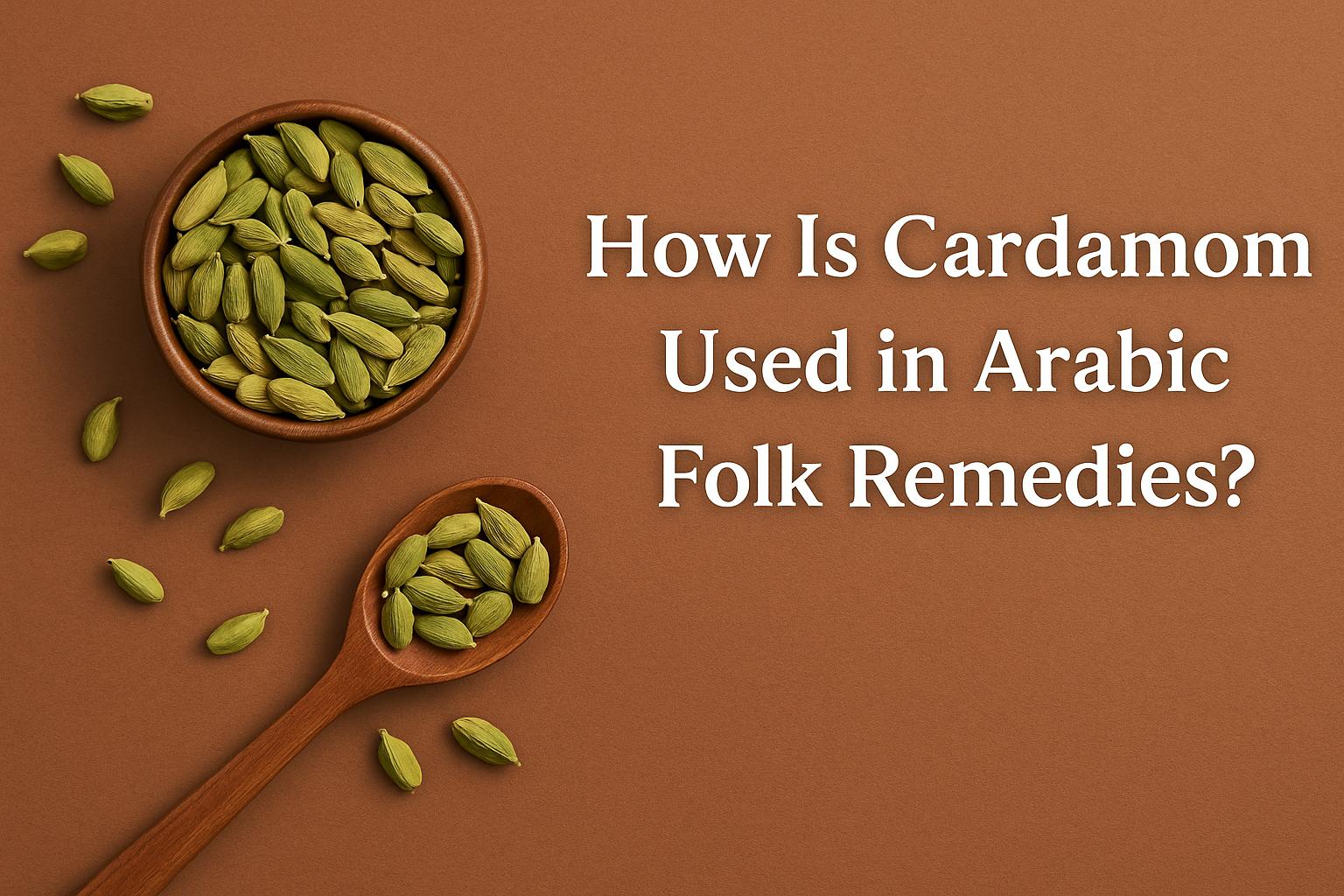
How is cardamom used in Arabic folk remedies?
Cardamom is widely used in Arabic folk remedies to treat digestive issues, support respiratory health, enhance heart function, and relieve anxiety. It is chewed after meals for fresh breath, infused in teas for colds and coughs, and included in tonics for detox and hormone balance. Arabic healers also use cardamom oil in massage therapy for pain relief, and its warm aroma is part of spiritual rituals for cleansing and emotional healing.
How is cardamom used to treat digestive ailments in Arabic folk remedies?
Cardamom is one of the most relied-upon spices in Arabic folk medicine for soothing the digestive system. Its warming, carminative properties make it a staple in post-meal routines and herbal blends.
- Relieves bloating and flatulence
Cardamom helps expel trapped gas from the intestines, easing abdominal pressure and discomfort. Folk practitioners often recommend chewing the pods directly after heavy meals. - Stimulates appetite and digestive secretions
It increases the secretion of gastric juices, improving the body’s ability to digest food. This property is particularly useful when used before meals in people with sluggish digestion. - Prevents indigestion and stomach cramps
Crushed cardamom seeds boiled in water form a simple tea that reduces the tightness of stomach muscles. It is traditionally consumed warm to ease cramps caused by overeating or poor food combinations. - Improves absorption of nutrients
Cardamom is thought to enhance nutrient absorption by aiding enzyme function. In Arabic folk treatments, it’s often added to meals that are high in oil or protein to reduce heaviness and improve nutrient uptake. - Combats acidity and gastric reflux
Its alkalizing properties help balance excessive stomach acid. Cardamom tea is regularly used to soothe heartburn and prevent acid reflux naturally without synthetic antacids. - Supports gut motility and bowel regularity
Arabic healers use it to regulate intestinal movement, especially in cases of constipation or slow bowel function. It is sometimes mixed with figs or prunes in folk remedies. - Combines well with other digestive herbs
Cardamom is often paired with fennel, cumin, or anise in traditional herbal blends to boost its digestive effects. These combinations are frequently prescribed by herbalists for chronic digestive complaints.
How is cardamom prepared in Arabic teas and infusions for respiratory relief?
In Arabic folk medicine, cardamom is commonly infused into teas to ease respiratory discomfort. Its warming and expectorant effects help clear the lungs, soothe the throat, and support breathing.
- Used in steam inhalations and hot teas
Crushed cardamom pods are boiled to release essential oils. This steam is inhaled for chest congestion, or the warm tea is sipped to reduce internal mucus buildup. - Soothes sore throat and dry coughs
Cardamom tea, often sweetened with honey, is used to coat the throat lining and reduce irritation. It is especially popular during winter months in the Arabian Peninsula. - Opens airways and reduces phlegm
The spice acts as a mild bronchodilator, helping to open the lungs and reduce tightness. It is frequently mixed with licorice root or thyme in traditional respiratory teas. - Treats cold-induced bronchial issues
Cardamom’s natural antimicrobial compounds help fight infections linked to bronchitis and flu. Folk healers prepare decoctions with cardamom and clove to reduce infection severity. - Enhances immunity with regular use
Regular consumption of cardamom tea is believed to strengthen the immune response, making the body more resilient to respiratory infections. It is often included in preventive health regimens. - Reduces allergic reactions
In some Arabic households, cardamom is used to reduce mild allergy symptoms such as sneezing or sinus congestion, often through both ingestion and aromatic use.
How is cardamom used in Arabic folk medicine to support heart health?
Cardamom is an integral part of cardiovascular care in Arabic traditional healing. It is used to enhance circulation, lower blood pressure, and protect the heart from stress.
- Helps regulate blood pressure levels
Cardamom is naturally rich in potassium and antioxidants. It helps lower systolic and diastolic blood pressure, especially when consumed daily in tea or powdered form. - Improves blood circulation
Folk practitioners use cardamom to stimulate circulation, particularly in the limbs. This property is useful for people with cold extremities or sluggish circulation. - Reduces oxidative stress on the heart
The spice is a source of antioxidant compounds like cineole and limonene, which help prevent oxidative damage to heart tissues. This is often cited as a reason for its inclusion in heart tonics. - Balances cholesterol levels
Arabic folk medicine associates cardamom with improved lipid profiles. It’s believed to help reduce LDL (bad cholesterol) and raise HDL (good cholesterol) when used consistently over time. - Alleviates palpitations and anxiety-linked heart strain
Cardamom is sometimes prescribed for emotional heart symptoms, such as racing heartbeat linked to stress. A warm drink with cardamom and rose water is a traditional soothing remedy. - Used in ceremonial drinks like Arabic coffee (Qahwa)
Cardamom is a key ingredient in traditional Arabic coffee, which is often consumed after meals. Beyond taste, its presence in Qahwa is thought to offer daily heart protection.
How does Arabic traditional medicine use cardamom to ease anxiety and improve sleep?
Cardamom is recognized for its calming and grounding qualities in Arabic healing. It is used in teas, milk infusions, and even aroma therapy to reduce mental tension and aid restful sleep.
- Acts as a natural sedative in warm preparations
Cardamom is added to warm milk or tea before bedtime to promote deep relaxation. This method is particularly recommended for people who experience racing thoughts at night. - Used in aroma-based therapies
Cardamom oil is gently heated or added to diffusers in homes to calm the atmosphere. Its warm scent is used in spiritual and emotional healing practices across Arabic cultures. - Reduces cortisol levels naturally
Traditional herbalists believe cardamom reduces the effects of long-term stress by lowering cortisol, the body’s primary stress hormone. It’s used alongside other herbs like chamomile or saffron. - Supports emotional well-being during grief or trauma
In cases of emotional shock, cardamom-infused water is served in some Arabic homes to stabilize the nervous system and comfort the spirit. - Enhances clarity during meditation or prayer
The scent of cardamom is used to deepen focus during spiritual practices. In Arabic Sufi circles, it’s sometimes burned alongside frankincense for mental centering.
How is cardamom applied in Arabic remedies for women’s menstrual and fertility health?
In Arabic folk medicine, cardamom is highly regarded for supporting women’s health. It is used to regulate menstruation, ease reproductive discomfort, and enhance fertility.
- Relieves menstrual cramps and lower back pain
Warm cardamom tea or milk infusions are consumed during menstruation to reduce uterine muscle contractions. It’s often combined with cinnamon or nutmeg for added effect. - Regulates irregular menstrual cycles
Cardamom helps balance hormonal activity, and is used by women experiencing missed or delayed periods. It’s considered especially useful when stress or cold environments affect menstrual flow. - Enhances uterine strength and fertility
Cardamom is included in preconception formulas with saffron and dates to nourish the reproductive organs. Folk midwives prescribe it to women trying to conceive naturally. - Used in post-miscarriage recovery remedies
Cardamom is blended with black seed and honey to restore strength and emotional balance after miscarriage, promoting both physical and spiritual healing. - Supports lactation after childbirth
In some regions, cardamom is used in milk-based tonics to promote milk production and soothe digestive discomfort in breastfeeding mothers. - Aids in balancing mood swings related to PMS
Its calming and warming nature helps stabilize mood fluctuations before menstruation. It’s often part of emotional wellness drinks served by elder women in the household.
How is cardamom used in Arabic oral health traditions for fresh breath and tooth care?
Cardamom has been a long-standing element of oral hygiene in Arabic folk medicine. Its antibacterial and aromatic properties make it useful for maintaining a clean mouth and preventing dental issues.
- Chewed to freshen breath after meals
Cardamom pods are chewed whole to naturally freshen the mouth, especially after eating garlic, onions, or heavy dishes. This practice neutralizes odors and supports oral freshness throughout the day. - Kills harmful oral bacteria
Cardamom contains natural compounds like cineole that inhibit bacterial growth in the mouth. It helps reduce plaque buildup, which can lead to cavities and gum disease when left unchecked. - Soothes gum inflammation and bleeding
Ground cardamom is sometimes mixed with warm water and used as a rinse for swollen or bleeding gums. This rinse acts as an anti-inflammatory mouthwash in traditional remedies. - Reduces toothache discomfort
A paste of crushed cardamom seeds is applied directly to the affected tooth or gum to relieve pain. This remedy is especially useful in rural areas where access to dental care is limited. - Used in traditional miswak routines
Cardamom is sometimes combined with miswak (natural toothbrush) use by rubbing its powder on the twig. This blend enhances the cleaning effect while adding antimicrobial benefits. - Prevents dry mouth in arid climates
Cardamom helps stimulate salivary flow, which prevents dry mouth, a common condition in the desert regions of Arabia. Its cooling and moistening properties restore balance to the oral tissues.
How do Arabic folk healers use cardamom oil in massage therapy for pain relief?
Cardamom essential oil is a valued part of Arabic massage traditions, especially for treating muscle fatigue, tension, and stiffness. Its warming qualities make it ideal for topical application.
- Relieves muscle soreness and fatigue
Cardamom oil is massaged into muscles after long physical activity or travel. It promotes relaxation, reduces muscle tightness, and eases physical exhaustion. - Improves blood flow to stiff joints
When applied to the knees, shoulders, or elbows, cardamom oil boosts circulation to the joints. This makes it useful in treating arthritis or age-related joint stiffness in traditional care. - Blended with carrier oils for daily use
The essential oil is diluted with olive oil or black seed oil and used in daily self-massage rituals. This combination maximizes absorption and reduces skin sensitivity. - Used to treat headaches and neck tension
A few drops of cardamom oil are applied to the temples and base of the neck in circular motions. This method helps relieve tension-type headaches and migraines common from heat exposure. - Soothes menstrual cramps when massaged into abdomen
In women’s health care, cardamom oil is applied to the lower abdomen during painful periods. Its warming effect helps relax the uterine muscles and reduce cramping. - Part of postpartum body care rituals
New mothers in Arabic households receive full-body massages with cardamom-infused oil to support recovery. This traditional therapy aids in muscle healing and mental relaxation after childbirth.
How is cardamom used as a natural aphrodisiac in Arabic folk healing?
Cardamom is traditionally regarded as a powerful aphrodisiac in Arabic culture. It is used to enhance libido, increase vitality, and support reproductive energy in both men and women.
- Boosts circulation to reproductive organs
Cardamom’s warming nature stimulates blood flow, which is essential for arousal and performance. It is often included in energy tonics served in the evenings. - Mixed with honey as a pre-intimacy tonic
A common remedy involves mixing powdered cardamom with pure honey and consuming it before intimacy. This blend supports endurance and increases desire naturally. - Enhances hormonal balance
Cardamom is thought to support endocrine function, which regulates testosterone and estrogen levels. Arabic herbalists include it in formulas for hormone-related fatigue or low libido. - Included in spiced milk or dessert recipes
Cardamom is added to warm milk or sweet dishes like halwa and dates to act as both a comfort food and an aphrodisiac. These dishes are often served in marital celebrations or newlywed meals. - Used in wedding rituals and romantic teas
Cardamom tea is traditionally offered to couples during engagement or marriage ceremonies as a symbol of union, vitality, and harmony. - Paired with other aphrodisiac herbs
Folk healers blend cardamom with saffron, fenugreek, and nutmeg to create potent sexual wellness mixtures that address both physical and emotional factors.
How is cardamom included in detoxifying tonics and cleansing remedies in Arabic medicine?
In Arabic folk healing, cardamom is considered a purifier of the digestive and urinary systems. Its role in detox blends is both preventive and therapeutic.
- Added to herbal teas for digestive cleansing
Cardamom is brewed with ginger, cumin, or senna leaves in folk detox teas. These blends help flush toxins, reduce bloating, and encourage gentle bowel movement. - Used to stimulate liver function
Cardamom supports the liver’s natural detox pathways by enhancing bile production. Herbalists often recommend it for people recovering from fatty liver or sluggish metabolism. - Supports urinary tract health
Mild diuretic properties in cardamom help remove excess fluid and waste from the kidneys. It’s included in infusions for urinary tract cleansing or relief from mild urinary discomfort. - Used in pre-fast and post-fast routines
In Islamic cultures, cardamom is consumed before fasting to prepare the body, and after fasting to reset the gut. This practice supports a gentle metabolic detox. - Fights internal heat and toxin accumulation
Cardamom helps reduce “internal heat,” which in folk medicine is seen as a cause of skin eruptions and bad breath. It’s used in cooling detox blends to restore internal balance. - Combined with lemon or mint in refreshing detox waters
Crushed cardamom pods are infused in water with lemon and mint to create a refreshing drink that hydrates and detoxifies at the same time.
How do Arabic cultures use cardamom to cool the body in hot desert climates?
Cardamom is used as a balancing spice in extreme desert environments. It helps regulate body heat, especially when temperatures spike during the day.
- Infused in cool water or buttermilk drinks
In desert regions, cardamom is soaked overnight in water or blended into laban (buttermilk) to create a refreshing beverage that cools the body and aids digestion. - Added to light summer foods for internal cooling
Cardamom is sprinkled into rice dishes, fruit salads, and cooling soups during hot months. This practice prevents heatstroke and digestive upset linked to overheating. - Used in scented waters for external cooling
Cardamom is sometimes added to rosewater or sandalwood water and applied to the skin. This external method refreshes the body and provides mild aromatherapy. - Reduces excessive sweating and body odor
Due to its deodorizing effect, cardamom is consumed to reduce internal heat that causes strong perspiration. It’s also used in natural body powders or pastes. - Included in traveler’s kits for desert journeys
Nomadic tribes carry cardamom to make quick teas that combat heat exhaustion and maintain hydration. These infusions are easy to prepare and highly effective in field conditions.
How is cardamom used in Arabic folk remedies for nausea and motion sickness?
Cardamom is a trusted remedy in Arabic folk medicine for relieving nausea, queasiness, and travel-induced discomfort. Its aromatic compounds act quickly on the stomach and nervous system.
- Chewed directly to stop sudden nausea
Cracking open cardamom pods and chewing them during nausea provides fast relief. This is especially common among pregnant women and travelers in desert caravans. - Used in herbal teas with mint or ginger
Arabic healers combine cardamom with ginger or mint in teas to soothe the stomach lining. These teas are taken before long travel or during illness-related nausea. - Infused in aromatic cloth for inhalation
Crushed pods or drops of cardamom oil are placed on handkerchiefs for scent inhalation. This technique helps control motion sickness without ingesting anything. - Part of post-meal digestive drinks
Cardamom is added to warm, lightly spiced drinks that prevent vomiting after overeating or eating rich foods. This is particularly helpful after feasts or religious celebrations. - Used in prenatal nausea remedies
Midwives in Arabic villages prepare mild cardamom infusions for expectant mothers experiencing morning sickness. The spice is valued for being gentle yet effective.
How is cardamom incorporated into spiritual and ritual healing practices in Arabic households?
Cardamom holds symbolic and practical importance in Arabic spiritual healing. It is used for its purifying aroma and is believed to ward off negative energies.
- Burned as incense for space cleansing
Cardamom pods are burned with frankincense or myrrh to cleanse the home of bad spirits or ill-willed energy. This practice is common before prayer or after conflict. - Used in ceremonial hospitality rituals
Serving cardamom-laced Arabic coffee (Qahwa) to guests is not just hospitality but a spiritual offering. It signals peace, respect, and mutual goodwill. - Added to anointing oils and spiritual balms
Cardamom oil is blended into healing balms used in prayers for health, recovery, or protection. These balms are applied to the forehead, chest, or palms. - Infused in holy water or prayer teas
Cardamom is sometimes steeped in blessed water or special prayer teas. These are consumed or sprinkled in homes for blessings, safety, or emotional healing. - Used to aid focus during prayer or dhikr (remembrance)
The scent of cardamom helps calm the mind and is used to create a meditative state. It may be included in scented beads or burners in places of worship.
How is cardamom blended with other spices in Arabic folk medicine for enhanced healing?
In Arabic traditional healing, cardamom is often used in synergy with other spices to create more effective remedies. These blends target multiple body systems at once.
- Mixed with cinnamon and clove for circulation
This trio is brewed into teas to stimulate blood flow, reduce coldness, and relieve fatigue. It is commonly used in winter or for those with weak circulation. - Combined with black seed for immune support
Cardamom and black seed are taken together to boost the immune system, especially during seasonal changes or viral outbreaks. The blend is consumed as an oil tonic or in warm drinks. - Blended with turmeric for inflammation relief
Inflammation-fighting remedies often pair cardamom with turmeric and ginger. This combination reduces joint pain and improves gut function. - Used with nutmeg and saffron for sleep and anxiety
A relaxing night drink may include cardamom, nutmeg, and saffron in warm milk. It’s a traditional remedy for insomnia or nervous tension. - Formed into spice pastes or capsules
Folk apothecaries grind spice mixes into pastes or fill them into capsules for easier use. Cardamom is a base ingredient due to its harmonizing effect on other herbs.
How is cardamom used in traditional postpartum care for women in Arabic culture?
Cardamom is essential in postpartum healing practices across Arabic households. It supports physical recovery, hormonal balance, and mental well-being after childbirth.
- Added to warm tonics for uterine healing
Cardamom is blended with dates, ghee, and warm milk to help the uterus contract and expel remaining fluids. This reduces postpartum bloating and discomfort. - Supports milk production and digestion
Nursing mothers take cardamom to stimulate appetite, aid digestion, and promote healthy milk flow. It prevents gas and discomfort in both mother and child. - Used in oil massages for recovery
Cardamom-infused oils are massaged into the body to relax muscles and improve circulation. This also helps reduce postpartum aches and anxiety. - Incorporated in sleep-inducing night drinks
Nightly warm milk with cardamom and honey helps new mothers rest better. Proper sleep is seen as a core part of healthy postpartum recovery. - Paired with saffron for mood stabilization
To prevent baby blues or emotional imbalance, cardamom is combined with saffron and almond milk. This drink is part of weekly care rituals in many Arabic families.
How do Bedouins preserve the use of cardamom in Arabic folk remedies and survival medicine?
Bedouins have preserved the use of cardamom for centuries, valuing it as a portable and powerful remedy. It’s used for health maintenance during travel and in desert survival.
- Used in traditional Arabic coffee (Qahwa)
Cardamom is central to Bedouin coffee, not only for flavor but for its energizing and digestive properties. It’s consumed daily to maintain alertness and well-being. - Carried in pouches during desert travel
Bedouins store cardamom in leather or cloth pouches and use it on the go for nausea, fatigue, or bloating. It requires no preparation and lasts for months in harsh climates. - Applied for insect bites and minor wounds
Crushed cardamom seeds are sometimes applied to skin irritations to reduce itching and infection. Its antimicrobial qualities make it a useful first-aid remedy. - Burned in campfires for air purification
Cardamom pods are occasionally tossed into campfire embers. The rising aroma repels insects and refreshes the surrounding space. - Taught through oral tradition and healing rites
Knowledge of cardamom use is passed from elders to youth through storytelling and demonstrations. These teachings ensure that natural healing wisdom endures across generations.
Arabic Folk Remedies with Cardamom: Ancient Healing Spice
In Arabic traditions, cardamom is used for digestive comfort, respiratory health, and energy boosting. It’s common in herbal infusions and tonics. For authentic applications, buy green cardamom for Arabic herbal recipes.
For gentle energy teas or family-friendly remedies, order Thai cardamom for folk medicine infusions.
Conclusion
Cardamom plays a vital role in Arabic folk remedies—offering support for digestion, respiratory relief, heart health, emotional balance, reproductive care, and spiritual rituals. From the kitchens of Bedouins to the healing spaces of village midwives, it remains a powerful, multifunctional herb deeply rooted in cultural tradition.
At ABIE Cardamon, we honor this heritage by providing the highest-quality cardamom trusted by herbalists, families, and wellness seekers around the world. We offer discreet worldwide delivery, 30-day money-back or replacement policy, and fast shipping within 24 to 48 hours in the USA and Canada, and 5 to 7 days globally.
Experience the purity and potency of traditional healing—shop with us at ABIE Cardamon today for the most trusted source of cardamom in the world.
Healing Applications of Cardamom in Arabic Tradition
In Arabic folk medicine, cardamom is widely used in coffee blends, digestive tonics, and incense. It’s known for reducing bloating, calming nerves, and refreshing the breath. For complementary practices in other cultures, read How is cardamom used in Tibetan medicine? to discover common threads in traditional medicine.
To further explore its spiritual and aromatic use, check Can I use cardamom in homemade incense?—a modern approach to reviving heritage scent rituals.
If you’re focused on its digestive role, Can cardamom help with digestion naturally? reinforces why cardamom remains a staple in folk remedies across the Arab world.