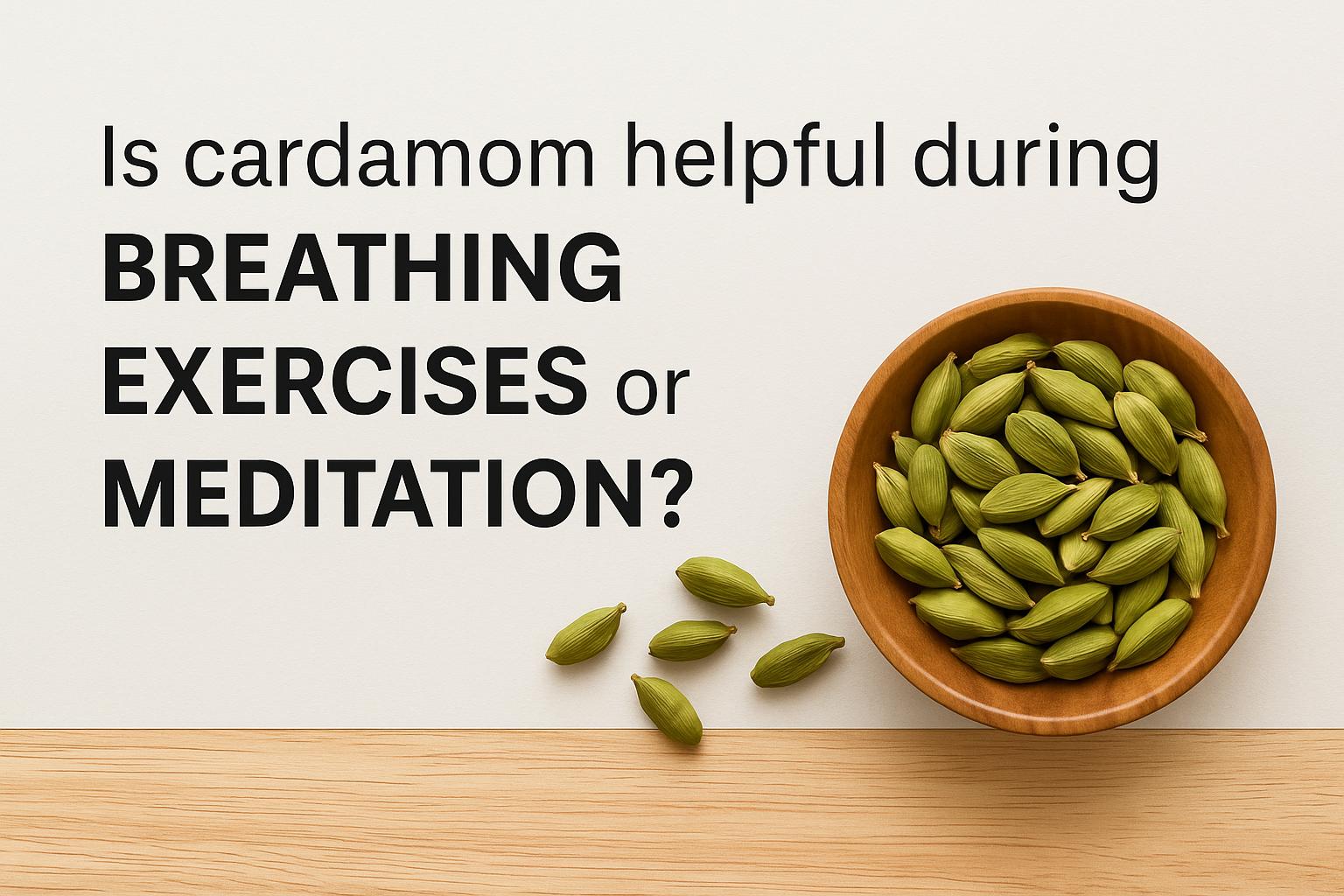
Is cardamom helpful during breathing exercises or meditation?
Yes, cardamom is helpful during breathing exercises or meditation. It supports clearer nasal airflow, enhances oxygen intake, and calms the nervous system, making it easier to breathe deeply and stay focused. Whether used as tea, essential oil, or through chewing seeds, cardamom promotes respiratory health, mental clarity, and emotional balance, all of which improve the effectiveness of breathwork and meditation sessions.
How does cardamom support nasal clarity for effective breathing techniques?
Cardamom supports nasal clarity by reducing congestion, relaxing airway muscles, and purifying the sinuses. This is vital for breath-centric practices such as pranayama, box breathing, or deep diaphragmatic breathing.
- Decongestant properties: Cardamom contains natural compounds like α-terpineol and 1,8-cineole that help reduce inflammation in the sinuses and promote clearer nasal passages. This allows for uninterrupted airflow during breathwork.
- Breaks down excess mucus: It acts as an expectorant, thinning mucus and easing its expulsion from the nasal and respiratory tract. This is particularly beneficial before morning meditation when mucus buildup is common.
- Steam therapy efficiency: Cardamom pods boiled in water create an aromatic steam that penetrates nasal cavities, loosening congestion and easing breathing. This method is especially effective before intensive breath control exercises.
- Improves airflow symmetry: Cardamom can help balance airflow between both nostrils, which is important for alternate nostril breathing techniques like Nadi Shodhana in yoga.
- Safe natural remedy: Unlike over-the-counter nasal sprays, cardamom provides a gentle, side-effect-free option for nasal clarity, suitable for daily or repeated use.
- Reduces sinus headaches: By clearing sinus blockages, cardamom helps relieve sinus-induced pressure and headaches that may interfere with focused breathwork sessions.
Can cardamom essential oil deepen your meditation or breathwork practice?
Yes, cardamom essential oil deepens your meditation and breathwork by calming the nervous system, enhancing respiratory openness, and anchoring your attention through scent.
- Triggers the parasympathetic state: Inhalation of cardamom essential oil stimulates the vagus nerve, which switches the body from “fight or flight” to “rest and digest.” This state supports deeper and slower breathing.
- Aromatherapeutic grounding: The rich, spicy aroma has grounding properties that can draw scattered attention inward, helping maintain a steady meditative rhythm.
- Promotes emotional release: Cardamom oil facilitates emotional clarity and processing, which is useful during breathwork aimed at trauma release or emotional balance.
- Enhances lung expansion: When inhaled, the vaporized oil may reduce airway tension, making it easier to take fuller breaths and maintain breath holds in advanced practices.
- Versatile use options: Cardamom oil can be diffused in a room, added to a hot towel for facial inhalation, or applied (diluted) to the chest before breathwork.
- Prepares the environment: Diffusing cardamom oil before a meditation session creates a tranquil sensory environment that cues the brain to relax and engage.
- Blends well with other oils: Combining cardamom oil with lavender, sandalwood, or frankincense enhances the overall meditative atmosphere without overstimulation.
Does cardamom improve oxygen flow during meditative breathing?
Cardamom improves oxygen flow by supporting bronchodilation, circulation, and lung tissue vitality—all essential components for efficient meditative breathing.
- Bronchodilator effects: The phytochemicals in cardamom such as cineole help relax bronchial muscles, which improves lung expansion and increases oxygen intake during deep breathing.
- Supports blood oxygenation: Improved respiratory efficiency leads to better oxygen delivery throughout the body. This is essential in breathwork practices focused on cellular rejuvenation and energy balance.
- Reduces airway resistance: Cardamom helps lower resistance in the airways, which enhances air movement and allows for smoother, deeper breaths.
- Increases breath retention capacity: With enhanced lung function, cardamom may support longer breath-holds used in pranayama or Wim Hof breathing techniques.
- Improves capillary blood flow: Cardamom supports microcirculation, ensuring that oxygen-rich blood reaches brain tissues, supporting clarity during meditation.
- Useful for mild respiratory conditions: Individuals with mild asthma or allergies may find easier breathing after consuming or inhaling cardamom, especially during practices that rely on sustained breath.
- Complements respiratory training: When used alongside breath-expansion exercises, cardamom maximizes the benefits by preparing both the muscular and biochemical systems involved in respiration.
Is cardamom beneficial for enhancing focus during mindful breathing?
Yes, cardamom is highly beneficial for enhancing focus during mindful breathing due to its cognitive-stimulating and calming properties.
- Increases alertness without overstimulation: Unlike caffeine, cardamom sharpens mental clarity without causing jitteriness, making it ideal for sustained focus during breath awareness.
- Aromatherapy aids concentration: Inhaling cardamom’s essential oil engages the olfactory system linked to the limbic brain, improving focus, memory retention, and cognitive tracking of the breath.
- Reduces mental distractions: The sensory presence of cardamom’s flavor or aroma anchors attention and minimizes wandering thoughts—key in practices like mindfulness-based stress reduction (MBSR).
- Balances brain hemispheres: The scent of cardamom is known to harmonize the activity of the left and right hemispheres, enhancing mental coordination during alternating breath techniques.
- Improves meditation outcomes: Practitioners using cardamom report greater ease in entering meditative states and longer durations of focused breathing without mental fatigue.
- Acts as a sensory cue: The consistent use of cardamom before or during meditation conditions the brain to associate the aroma with breathwork, making it easier to drop into focus over time.
- Enhances post-session clarity: Cardamom not only sharpens focus during breathwork but also supports mental clarity and decision-making for hours afterward.
Can cardamom calm the nervous system before meditation or breathwork?
Yes, cardamom can help calm the nervous system before meditation or breathwork. It works by supporting neurotransmitter balance, reducing stress hormones, and encouraging the parasympathetic response, which is essential for relaxed and steady breathing.
- Reduces cortisol levels naturally: Cardamom contains adaptogenic compounds like linalool that help regulate cortisol—the primary stress hormone. Lower cortisol levels promote calm and make it easier to focus on breath without internal agitation.
- Activates the parasympathetic nervous system: By stimulating the vagus nerve through aroma or ingestion, cardamom shifts the body into the “rest and digest” mode. This prepares the body for meditative stillness and slow, deep breathing.
- Promotes GABA activity: Cardamom may indirectly influence gamma-aminobutyric acid (GABA), a calming neurotransmitter that slows brain activity and reduces overstimulation before meditative sessions.
- Soothes the digestive system: A calm gut directly supports a calm mind. Cardamom relaxes the gastrointestinal tract, reducing discomfort and anxiety-related tension that may distract during breathwork.
- Balances mood swings: Its natural antispasmodic properties ease both muscular and emotional tension, helping establish emotional equilibrium before mindfulness or breathwork practice.
- Non-sedating calm: Unlike synthetic tranquilizers or herbal sedatives, cardamom doesn’t impair alertness. This balance of calm and clarity is ideal for conscious breathing techniques like box breathing or Anapanasati.
- Best used in tea or oil form: Sipping cardamom tea or diffusing its essential oil 15 to 30 minutes before practice offers reliable nervous system support and sets a tranquil internal environment for practice.
Does cardamom consumption increase breath awareness or stamina?
Yes, regular cardamom consumption can increase both breath awareness and stamina. It improves lung health, enhances cognitive alertness, and supports physical endurance—all of which contribute to sustained and mindful breathing.
- Boosts respiratory muscle performance: Cardamom supports the function of respiratory muscles, including the diaphragm and intercostals. This leads to greater breath volume and control during long meditative sessions.
- Enhances oxygen uptake and retention: By promoting open airways and lung compliance, cardamom helps you breathe deeper, increasing breath-hold capacity and resilience in breath training routines.
- Improves neurological breath tracking: Cardamom sharpens mental alertness, allowing practitioners to remain conscious of inhalation and exhalation patterns. This is vital for practices like mindful breathing or breath counting.
- Supports cardiovascular efficiency: The antioxidant and anti-inflammatory compounds in cardamom improve blood flow and heart function, which are key to sustaining rhythmic breathing and energy during long sessions.
- Reduces breathlessness under stress: Cardamom’s calming effects reduce stress-induced shallow breathing, allowing for fuller, more stable breathing even under mental or emotional strain.
- Increases tolerance to CO₂: Better breath control comes from building up tolerance to carbon dioxide. Cardamom indirectly supports this by encouraging slower respiration and better breath retention.
- Daily use shows cumulative benefits: When consumed regularly in teas or meals, cardamom gradually enhances lung and mental capacity for breath-focused practices.
How does cardamom reduce anxiety before breathing or meditation exercises?
Cardamom reduces anxiety through its interaction with stress hormones, mood-regulating compounds, and sensory calming mechanisms. This makes it a powerful aid for achieving the calm required for breathwork or meditation.
- Reduces physical tension: The muscle-relaxing qualities of cardamom help ease the chest, shoulders, and diaphragm—areas often tensed due to anxiety. Relaxed muscles allow for easier and deeper breathing.
- Lowers heart rate naturally: Cardamom helps reduce elevated heart rate caused by anxious thinking. This drop in heart rate supports a smoother transition into calm breathing.
- Regulates serotonin levels: Serotonin plays a crucial role in mood and anxiety. Cardamom’s natural compounds may help improve serotonin activity, reducing anxious thoughts before practice.
- Aroma therapy benefits: Inhaling cardamom oil helps quickly calm the mind, making it a practical pre-session ritual to reduce racing thoughts or uneasiness.
- Complements breath-centered anxiety relief: When used alongside anxiety-reducing breath techniques like the 4-7-8 method, cardamom enhances the effectiveness of the practice.
- Prevents distraction from inner agitation: Anxiety often leads to wandering thoughts and physical fidgeting during meditation. Cardamom supports stillness and sharpens the ability to stay present.
Is cardamom tea effective for relaxing the body before meditation?
Yes, cardamom tea is a gentle yet effective way to relax the body before entering meditation. It soothes the nervous system, relaxes the gut-brain axis, and provides a warming comfort that eases mental and physical restlessness.
- Promotes full-body calm: Drinking warm cardamom tea encourages muscle relaxation and lowers stress hormone levels, especially when consumed 15–30 minutes before practice.
- Supports digestion and reduces bloating: An unsettled stomach can interrupt meditation. Cardamom tea calms the digestive tract, minimizing abdominal discomfort that could distract from breath focus.
- Warms the core and opens airways: The warming effect of the tea stimulates circulation and clears sinuses, preparing the lungs and body for smooth breath control.
- Aids in reducing sensory overload: The flavor and aroma of cardamom tea provide a sensory anchor, helping block external stimuli and easing transition into a meditative state.
- Improves sleep quality if used regularly: When taken at night, cardamom tea can help reset the circadian rhythm, which improves overall calmness and meditative readiness the following day.
- Pairs well with mindfulness rituals: Sipping cardamom tea slowly and mindfully can be a mini-meditation itself, helping ease into longer sessions with a grounded mindset.
How does cardamom affect lung function during deep breathing routines?
Cardamom positively affects lung function by supporting bronchodilation, reducing inflammation, and aiding in the clearance of respiratory tract obstructions. This leads to better performance in deep breathing routines.
- Relieves bronchial spasms: Cardamom’s antispasmodic compounds help relax bronchial muscles, which can otherwise tighten and limit airflow during deep breathing or breath retention.
- Reduces pulmonary inflammation: Its antioxidant content, particularly in green cardamom, combats oxidative stress in lung tissues, which helps maintain healthy alveolar function.
- Improves lung expansion: Cardamom promotes deeper and more complete lung inflation, especially useful in breathwork techniques involving long inhales and holds.
- Assists in mucus clearance: It helps thin and expel mucus, clearing the airway linings for unblocked breathing. This is critical for practices like kapalabhati or holotropic breathwork.
- Protective for mild respiratory issues: Those with mild asthma or allergic rhinitis often benefit from cardamom due to its anti-allergic and soothing effects on the airways.
- Enhances breath control consistency: With fewer obstructions and less irritation, users can maintain longer and smoother breath cycles, improving the depth and quality of breath practice.
Can chewing cardamom seeds help improve mindfulness during breathwork?
Yes, chewing cardamom seeds can enhance mindfulness during breathwork by stimulating the senses, anchoring attention, and supporting calm awareness of bodily rhythms.
- Creates a sensory anchor: The strong, spicy flavor of cardamom immediately draws your attention to the present moment. This sensory engagement helps shift awareness from distractions to breath sensation.
- Stimulates salivary glands and parasympathetic tone: Chewing cardamom promotes saliva production, which is linked to activation of the parasympathetic nervous system—critical for slow, steady breathing and relaxation.
- Promotes oral-grounding practices: The repetitive chewing motion and flavor profile can act as a mindfulness trigger, helping users ground themselves before transitioning into still breath awareness.
- Improves breath freshness and confidence: Freshening the mouth before breath exercises can subtly increase comfort and confidence, especially during group breathwork or vocal meditations.
- Releases aroma directly into the sinuses: Chewing cardamom releases essential oils that rise into the nasal cavity, subtly enhancing nasal openness and air intake.
- Non-drowsy calming effect: The flavor acts as a gentle stimulant that doesn’t induce fatigue but supports mental clarity, ideal for meditative focus.
Does the aroma of cardamom enhance focus in guided meditation?
Yes, the aroma of cardamom enhances focus in guided meditation by stimulating brain regions responsible for attention, memory, and emotional regulation.
- Activates the olfactory-limbic connection: The scent of cardamom stimulates the limbic system, which governs emotion and memory. This boosts focus and receptivity during meditation.
- Reduces cognitive noise: Cardamom’s aroma helps silence mental chatter, creating space for clear auditory processing of a guide’s voice during meditation.
- Promotes consistency in attention span: Inhalation of cardamom oil before or during sessions helps sustain continuous mental engagement with verbal cues or breathing instructions.
- Supports emotional neutrality: The scent neutralizes sharp emotional fluctuations that may interfere with focused breathing or following guided narratives.
- Pairs well with ambient sounds: Cardamom complements sound therapy or binaural beats, enhancing immersive experience without conflicting sensory input.
- Acts as an olfactory ritual: Consistent use of cardamom aroma before sessions trains the mind to enter a meditative state quickly, reinforcing focus through scent association.
Can cardamom-infused steam inhalation aid pre-meditation breathing?
Yes, cardamom-infused steam inhalation is an effective way to prepare the lungs and sinuses for meditation. It helps open airways, relax facial muscles, and stimulate deep nasal breathing.
- Clears upper respiratory passages: The steam vapor carries cardamom’s decongestant compounds deep into nasal and sinus tissues, removing blockages that could limit oxygen intake during meditation.
- Relieves sinus pressure and facial tension: The warm steam, combined with the spice’s anti-inflammatory oils, eases tension around the eyes, nose, and forehead, promoting relaxation.
- Improves diaphragm performance: By unblocking nasal pathways, cardamom steam indirectly improves diaphragmatic expansion, enabling fuller breath cycles.
- Boosts respiratory immunity: The antimicrobial properties of cardamom help purify the inhaled air, supporting overall lung health—especially useful before meditating in shared or public spaces.
- Induces immediate calm: Steam inhalation triggers the parasympathetic system quickly, creating the physical stillness needed to enter meditation.
- Best used 10–15 minutes before practice: A short session of cardamom steam inhalation can transition the body from activity to mindfulness and improve the quality of the breath from the first inhale.
How does cardamom activate the parasympathetic response for deeper breathing?
Cardamom activates the parasympathetic response—the body’s natural calming system—through biochemical and sensory pathways that promote slower, deeper breaths.
- Stimulates vagus nerve activity: Cardamom’s scent and ingestion activate vagal pathways that signal the body to slow heart rate and deepen respiration.
- Reduces sympathetic dominance: In high-stress states, the sympathetic nervous system causes fast, shallow breathing. Cardamom counters this by restoring parasympathetic dominance for smooth breath control.
- Enhances heart rate variability (HRV): Improved HRV is linked to calm, steady breathing. Cardamom contributes by reducing stress load and promoting cardiovascular balance.
- Improves neuro-gastrointestinal connection: Cardamom soothes the gut-brain axis, indirectly calming the breath and mind through vagal stimulation.
- Prepares the body for breath-holding techniques: A relaxed parasympathetic state supports breath retention practices like kumbhaka by lowering metabolic demand.
- Ideal for use with yoga nidra or deep meditative states: Cardamom primes the nervous system for practices that require stillness and inward focus through its dual aromatic and ingestible applications.
What role does cardamom play in balancing vata energy during Ayurvedic breathwork?
In Ayurvedic medicine, cardamom plays a central role in balancing vata energy—associated with movement, air, and space—which directly influences breathing quality and mental stillness.
- Grounds excess mental activity: Vata imbalance often leads to overthinking and restlessness. Cardamom calms the mind, allowing for deeper, uninterrupted meditation and breath control.
- Warms the body internally: As a warming herb, cardamom reduces cold, dry qualities of vata that can cause shallow breathing and poor circulation during meditation.
- Moistens dry tissues: It counteracts dryness in the throat and respiratory tract, allowing for smoother breath intake and vocal meditation practices like chanting or humming.
- Stabilizes irregular breathing patterns: Vata imbalance may manifest as inconsistent breath rhythms. Cardamom helps restore breath regularity by calming the nervous system.
- Often used in Ayurvedic teas and oils: Cardamom is a foundational ingredient in vata-pacifying blends, especially when paired with fennel, cinnamon, or ashwagandha.
- Enhances the flow of prana (life force): By opening up the lungs and clearing energetic blockages, cardamom supports the unimpeded movement of prana in the body.
Cardamom for Meditation and Breathwork: Grounding and Clarifying
Cardamom’s soothing aroma and warming effect make it an ideal companion for meditation and pranayama. It opens the airways, calms the mind, and promotes deeper breathing. For spiritual clarity, buy Thai cardamom for breathwork and mindfulness—perfect for teas or diffusers.
If you’re making herbal blends to pair with meditation sessions, order green cardamom for calming respiratory teas for deeper inhalation and focus.
Conclusion
Cardamom is a powerful and versatile ally for anyone engaged in breathing exercises or meditation. It clears the nasal passages, opens the lungs, calms the nervous system, enhances focus, and supports both physical and mental readiness. Whether chewed, brewed, inhaled, or infused into your wellness space, cardamom works at every level—physiological, emotional, and energetic—to elevate your breath and deepen your meditative practice.
At ABIE Cardamon, we offer premium-quality cardamom sourced for purity, potency, and consistency. Whether you’re a meditation coach, yoga practitioner, or wellness enthusiast, we ensure our cardamom reaches you with:
- Discreet packaging and fast global delivery
- 24 to 48-hour shipping within the USA and Canada
- 5 to 7-day international delivery
- 30-day full refund or replacement policy
- 100% customer satisfaction guarantee
Elevate your breathwork. Deepen your stillness. Choose ABIE Cardamon for your daily wellness rituals.
Enhancing Breathing Practices and Meditation with Cardamom
Cardamom’s aromatic compounds have a calming effect on the nervous system, making it a powerful addition to breathwork and meditation routines. When inhaled through steam or diffused during mindfulness sessions, it helps deepen focus and reduce anxiety. If you’re looking to enhance these sessions with additional benefits, explore Is cardamom essential oil calming for anxiety?, which explains how cardamom soothes tension through topical or aromatic use.
For further wellness support, especially during breathwork that overlaps with detox goals, check How do I use cardamom in a detox drink?. Cardamom’s internal cleansing properties align perfectly with breath-based practices that emphasize elimination and rejuvenation.
You may also benefit from the relaxation synergy of Is cardamom useful in sleep aid teas?, which supports evening breath rituals with soothing blends. Cardamom helps clear the body and mind for spiritual and respiratory renewal.