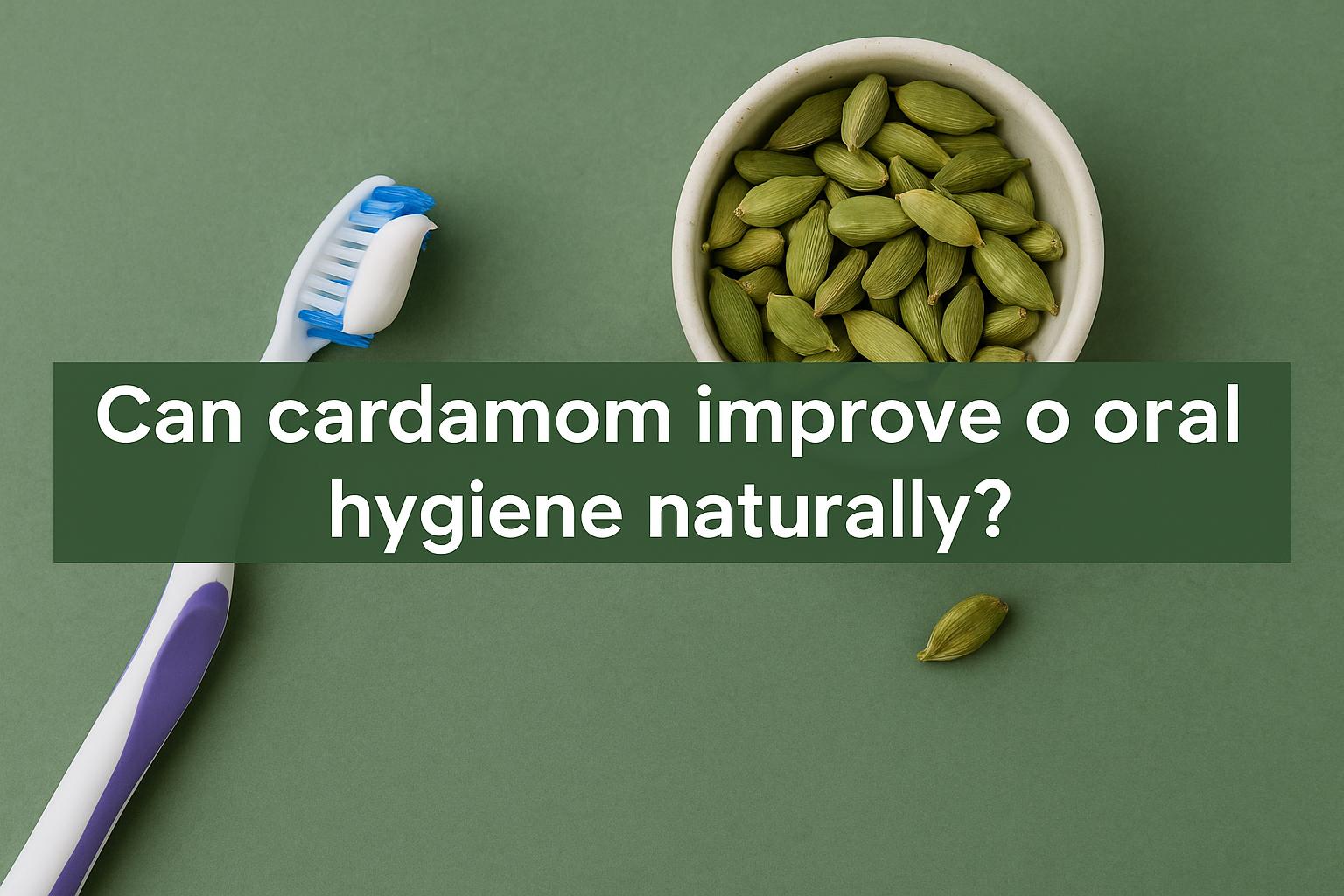
Can cardamom improve oral hygiene naturally?
Yes, cardamom can improve oral hygiene naturally. It contains antibacterial compounds like cineole that kill harmful mouth bacteria, helps prevent tooth decay, freshens breath, and reduces gum inflammation. Chewing cardamom stimulates saliva, which cleanses the mouth, balances pH, and prevents plaque buildup. Its soothing, antimicrobial properties support gum health, combat bad breath, and promote a balanced oral microbiome—making it a natural, effective option for daily oral care.
How does cardamom combat bad breath naturally?
Bad breath, or halitosis, often results from bacterial buildup in the mouth. Cardamom tackles the root cause by eliminating bacteria, neutralizing odors, and encouraging a clean oral environment.
- Cineole acts as a natural antiseptic
Cineole, the dominant oil in cardamom, has strong antiseptic effects. It neutralizes foul-smelling bacteria that colonize the tongue, back of the throat, and between teeth. - It removes odor-causing residues from the mouth
Cardamom helps dislodge and break down particles that get stuck between teeth and decay over time, which are a major source of bad breath. - It stimulates saliva to flush away odor compounds
Dry mouth worsens halitosis. Cardamom’s salivary stimulation ensures that food remnants and odor molecules are washed out regularly. - Chewing cardamom masks breath with a fresh aroma
The natural menthol-like scent of cardamom lingers in the mouth longer than synthetic mints, helping maintain a clean feel throughout the day. - Unlike sugar-based gums, it doesn’t feed bacteria
Many mints contain sugar, which feeds bacteria and worsens bad breath over time. Cardamom is sugar-free and actively kills bacteria instead. - It helps reduce sulfur compounds
Cardamom reduces the concentration of volatile sulfur compounds (VSCs), like hydrogen sulfide, that contribute to chronic bad breath in people with oral infections or dry mouth.
Can cardamom help prevent tooth decay naturally?
Tooth decay occurs when bacteria feed on sugars and release acids that erode enamel. Cardamom offers protective action against these bacterial processes, especially in high-risk zones like molars and gum lines.
- Inhibits acid-producing bacteria
Cardamom slows the activity of acidogenic bacteria, which convert dietary sugars into acid. This action helps protect enamel from erosion and decay. - Strengthens oral defense with antioxidants
Cardamom is rich in flavonoids and terpenes, which protect oral cells from oxidative stress and inflammation—two factors that weaken tooth structure. - Reduces plaque accumulation
Its antimicrobial oils decrease the formation of plaque biofilms. This prevents bacteria from adhering to enamel surfaces where they can begin the decaying process. - Supports oral pH balance
A healthy oral pH is slightly alkaline. Cardamom helps stabilize pH levels, reducing the acidity that promotes enamel demineralization. - Naturally low in fermentable carbohydrates
Cardamom does not feed the sugar-loving bacteria that cause decay, making it a safe and beneficial post-meal mouth cleanser. - Improves enamel resilience indirectly
By controlling bacteria and supporting salivary flow, cardamom indirectly supports the remineralization process needed for strong enamel.
Is cardamom effective against oral bacteria like Streptococcus mutans?
Yes, cardamom is effective against Streptococcus mutans, one of the leading bacteria involved in dental caries. Its essential oils suppress the bacteria’s growth and ability to produce harmful acids.
- Cardamom essential oil disrupts bacterial membranes
Scientific studies show that cardamom oil damages the cell walls of S. mutans, reducing their ability to survive and multiply in the oral cavity. - Prevents biofilm formation
Biofilms are protective layers that bacteria form to cling to teeth. Cardamom inhibits this formation, making it harder for bacteria to stick and cause decay. - Reduces acid production from sugar fermentation
S. mutans converts sugar into lactic acid. Cardamom suppresses this fermentation process, which reduces enamel-softening acid attacks. - Slows down bacterial reproduction
Cardamom extract has bacteriostatic properties that prevent S. mutans from reaching harmful concentrations in the mouth. - Works synergistically with saliva enzymes
Cardamom enhances the antimicrobial function of enzymes naturally present in saliva, creating a stronger defense against pathogens like S. mutans.
How does cardamom support gum health?
Healthy gums are essential for strong teeth and overall oral hygiene. Cardamom provides both preventive and healing benefits for the gums through its anti-inflammatory, antimicrobial, and soothing effects.
- Reduces gum inflammation and swelling
Cardamom’s active oils help lower prostaglandin production, which is responsible for gum redness, puffiness, and discomfort in gingivitis. - Fights gum infections
Its antimicrobial properties prevent bacteria from accumulating in gum pockets, reducing the likelihood of periodontitis and other gum infections. - Soothes bleeding and sensitive gums
When chewed or used as an oral rinse, cardamom acts as a gentle astringent, helping constrict tissues and minimize bleeding during brushing or flossing. - Encourages tissue repair
The antioxidant content in cardamom promotes cellular repair in damaged gum areas, especially after exposure to harsh dental procedures or infections. - Improves blood flow to gum tissues
Its vasodilatory effects enhance microcirculation around the gums, supporting better nutrient delivery and immune response to oral irritants. - Protects against receding gum lines
By keeping gum tissues strong and infection-free, cardamom helps prevent the erosion and pulling back of gums from the teeth base.
Can chewing cardamom pods replace mouthwash?
Chewing cardamom pods can serve as a natural, chemical-free alternative to commercial mouthwash, offering cleansing, antimicrobial, and deodorizing effects for daily oral care.
- Releases natural antiseptic oils during chewing
When chewed, cardamom pods release cineole and other antiseptic compounds that coat the mouth, reducing harmful bacteria similar to the effects of chlorhexidine in mouthwash. - Provides mechanical cleaning of teeth and gums
The fibrous pod casing scrubs teeth surfaces while chewing, helping dislodge plaque, food particles, and bacterial biofilm without damaging enamel. - Freshens breath more naturally than synthetic flavors
Unlike alcohol-based rinses that mask odor briefly, cardamom offers a deeper, longer-lasting freshness by neutralizing the source of bad breath. - Maintains oral moisture and pH balance
Cardamom stimulates saliva, which not only keeps the mouth moist but also helps maintain an optimal pH level, preventing acid buildup that leads to tooth erosion. - No alcohol or artificial ingredients
Cardamom is a safe daily alternative to chemical-laden rinses that may cause irritation, dry mouth, or staining when overused. - Safe for prolonged use
Unlike some mouthwashes that can disrupt the oral microbiome or cause sensitivity, chewing cardamom supports microbial balance and gum resilience over time. - Portable and easy to use anywhere
Carrying a few cardamom pods is convenient and requires no water, making it ideal for freshening breath or cleaning the mouth after meals on the go.
What antimicrobial compounds in cardamom benefit oral health?
Cardamom contains multiple natural antimicrobial agents that actively combat bacteria, fungi, and even certain viruses in the mouth, contributing to cleaner, healthier oral conditions.
- Cineole (Eucalyptol)
This powerful monoterpene is known for its strong antibacterial and antiseptic effects. It targets bacteria responsible for cavities and bad breath, such as Streptococcus mutans and Porphyromonas gingivalis. - Limonene
Found in the seeds and pods, limonene has antifungal and antibacterial action, helping to control both bacterial and yeast growth in the oral cavity. - Borneol and camphor
These terpenoid compounds exhibit mild analgesic and antimicrobial properties, making them effective in calming irritated tissues and disinfecting minor mouth sores. - Terpinene and geraniol
These lesser-known compounds in cardamom have shown strong antimicrobial activity in laboratory studies and contribute to the overall defense against oral pathogens. - Flavonoids and polyphenols
These antioxidant-rich compounds protect against inflammation and bacterial damage by reducing oxidative stress in gum and oral tissues. - Volatile essential oils
Cardamom’s essential oil blend contains over 20 bioactive compounds that work synergistically to reduce harmful bacterial load without disturbing healthy flora.
How does cardamom affect saliva production for oral cleanliness?
Saliva plays a vital role in maintaining oral hygiene. Cardamom supports saliva flow, helping cleanse the mouth, maintain pH, and prevent decay and bacterial buildup.
- Acts as a natural sialogogue
Chewing cardamom triggers the salivary glands to produce more saliva, especially in individuals who experience dry mouth due to medications or age. - Saliva washes away bacteria and debris
Increased saliva flow physically rinses out food particles and bacteria, reducing the chances of plaque formation and bad breath. - Supports natural remineralization
Saliva contains calcium and phosphate, which help rebuild enamel. Cardamom indirectly supports this by stimulating saliva needed for the process. - Reduces acidity in the mouth
Saliva neutralizes acid produced by bacterial fermentation of food. Cardamom enhances this buffer effect, lowering the risk of erosion and cavities. - Helps prevent fungal overgrowth
Dry mouth can lead to oral thrush or Candida albicans infections. By promoting moisture, cardamom helps prevent fungal imbalance. - Improves mouth comfort
Dry mouth causes burning, sore throat, and bad taste. Cardamom’s moistening action soothes the mouth and restores oral comfort throughout the day.
Can cardamom reduce oral inflammation and pain?
Cardamom offers anti-inflammatory and mild analgesic properties that are useful for reducing pain and swelling caused by oral injuries, infections, or irritation.
- Suppresses pro-inflammatory markers
Cardamom reduces levels of cytokines and prostaglandins in inflamed oral tissues, calming redness and swelling in gums and mouth linings. - Eases discomfort from ulcers or cuts
When applied as oil or chewed in pod form, cardamom forms a soothing layer over ulcers and minor wounds, relieving stinging and accelerating healing. - Relieves pain from irritated gums
Its mild numbing effect, similar to clove but gentler, can ease gum pain caused by braces, dentures, or periodontal inflammation. - Safe alternative to synthetic pain gels
Many over-the-counter gels contain benzocaine, which can cause allergic reactions. Cardamom offers a natural substitute without known side effects. - Cools and calms oral burns or abrasions
The cooling sensation from its menthol-like compounds helps soothe burns from hot food or rough brushing. - Combats swelling from minor infections
Cardamom’s antimicrobial action also reduces the bacterial load behind the swelling, preventing worsening of inflamed conditions.
Does cardamom soothe dry mouth or halitosis symptoms?
Cardamom is effective in managing dry mouth (xerostomia) and halitosis by increasing moisture levels, neutralizing odor, and improving oral flora balance.
- Stimulates continuous saliva flow
Chewing cardamom triggers the parasympathetic nervous system to boost saliva, alleviating dryness and its associated discomforts. - Reduces volatile sulfur compounds (VSCs)
The main cause of halitosis is VSCs like hydrogen sulfide. Cardamom’s antimicrobial action breaks down these gases and prevents their formation. - Freshens breath with lasting aroma
Unlike short-lived mints, the natural oils in cardamom linger longer, delivering sustained breath freshness without artificial sweeteners or dyes. - Protects oral mucosa from cracking and soreness
Dry mouth leads to chapped lips and inner cheek irritation. Cardamom keeps oral tissues lubricated and protected against friction and minor injury. - Improves taste perception in dry mouth sufferers
Saliva plays a role in dissolving food molecules for taste. By increasing saliva, cardamom enhances taste sensitivity and enjoyment of food. - Ideal for patients undergoing radiation or on medications
Those on antidepressants, antihistamines, or cancer treatment often suffer from dry mouth. Cardamom provides a gentle, drug-free solution for relief.
How does cardamom support a healthy oral microbiome?
A healthy oral microbiome maintains the balance between beneficial and harmful bacteria in the mouth. Cardamom helps regulate this balance through its selective antimicrobial properties and immune-supportive compounds.
- Targets harmful bacteria without disrupting beneficial flora
Cardamom’s natural compounds inhibit the growth of disease-causing bacteria like Streptococcus mutans while sparing or supporting beneficial strains needed for pH and immune balance. - Supports microbial diversity in the mouth
By creating a less acidic environment, cardamom allows non-pathogenic bacteria to thrive, which naturally crowd out harmful organisms. - Reduces inflammation that disrupts microbial balance
Chronic inflammation alters the oral microbiome. Cardamom’s anti-inflammatory action stabilizes the ecosystem and prevents dysbiosis (microbial imbalance). - Prevents overgrowth of opportunistic fungi
Cardamom controls the spread of Candida albicans, a fungus that can dominate when the microbiome is weakened, especially in dry or medicated mouths. - Promotes enzymatic breakdown of toxins
Cardamom stimulates enzymes in saliva that help detoxify food residues and bacterial waste, contributing to a cleaner microbial environment. - Strengthens immune barriers in oral tissues
The antioxidant-rich compounds in cardamom enhance the body’s first-line defense in the mouth, making it harder for pathogens to colonize.
Can cardamom help reduce tartar and plaque buildup?
Tartar and plaque form when food particles, bacteria, and saliva combine and harden on teeth. Cardamom helps prevent this buildup through both chemical and physical mechanisms.
- Disrupts biofilm formation
The essential oils in cardamom inhibit bacteria from producing sticky substances that help them attach to enamel surfaces, slowing down plaque formation. - Scrubs teeth when chewed
The fibrous outer shell of the cardamom pod acts as a natural abrasive, gently removing buildup and debris from tooth surfaces when chewed regularly. - Balances oral pH to prevent plaque hardening
Cardamom helps neutralize acid in the mouth, making it harder for plaque to mineralize into tartar. - Reduces bacteria responsible for calculus formation
Cardamom reduces populations of bacteria like Actinomyces, which are known to contribute to hard plaque deposits near the gumline. - Acts as a preventive after meals
Chewing cardamom after meals reduces sugar residue and bacterial activity, preventing the initial steps of plaque development. - A natural supplement to brushing
While not a replacement for brushing or flossing, regular cardamom use can significantly reduce the speed and volume of plaque accumulation between cleanings.
Can cardamom be used in natural toothpaste or oral rinses?
Yes, cardamom is a suitable ingredient in natural toothpaste and oral rinses due to its antimicrobial, anti-inflammatory, and refreshing properties. It enhances both hygiene and flavor.
- Adds natural antibacterial protection
Cardamom extracts or essential oils incorporated into toothpaste or rinse formulas help kill harmful bacteria responsible for cavities and gingivitis. - Freshens breath without artificial additives
Unlike synthetic mint flavors or alcohols, cardamom provides a refreshing yet gentle aroma that doesn’t dry out or irritate the mouth. - Soothes sensitive or inflamed gums
In toothpaste or rinses, cardamom calms gum irritation, making it ideal for people with gingivitis or post-scaling discomfort. - Supports holistic dental care
It aligns with herbal and natural product formulations that avoid fluoride, sulfates, or synthetic preservatives, popular among health-conscious consumers. - Boosts the shelf-life of herbal oral products
Cardamom has mild preservative properties, thanks to its antimicrobial effects, helping extend the usability of natural toothpaste blends. - Provides gentle whitening support
Though not abrasive, cardamom can support stain removal through its enzyme-activating properties that dissolve food film from enamel surfaces.
What are the Ayurvedic uses of cardamom in dental care?
In Ayurveda, cardamom is classified as a “Tridoshic” herb, meaning it balances all three doshas—Vata, Pitta, and Kapha—making it widely used for oral and digestive wellness.
- Used to freshen breath after meals
Ancient Ayurvedic texts recommend chewing cardamom to eliminate “Ama” (toxins) from the mouth and restore freshness without chemicals. - Prescribed for mouth ulcers and inflammation
Cardamom was ground into pastes or mixed with ghee and applied to ulcers or sore spots in the oral cavity for pain relief and faster healing. - Used in herbal powders for gum strengthening
Traditional tooth powders often include cardamom as a key ingredient to promote gum resilience and combat gum recession. - Balances excess heat in the mouth (Pitta disorders)
Cardamom’s cooling nature makes it effective for burning sensations, mouth sores, and ulcers caused by Pitta imbalances, especially in hot climates. - Combined with clove and neem in oil pulling rituals
In Ayurvedic oil pulling, cardamom enhances flavor and adds antibacterial strength when blended with sesame or coconut oil. - Recommended in seasonal detox routines
Ayurvedic practitioners advise cardamom in spring and summer oral cleansing protocols to maintain microbial and energetic balance in the body.
Are there dental benefits to cardamom essential oil use?
Cardamom essential oil offers focused oral benefits when used correctly in rinses, massage oils, or diluted applications. It provides antibacterial protection, pain relief, and freshness.
- Kills bacteria linked to gum disease and decay
Studies confirm cardamom oil inhibits strains like S. mutans and Fusobacterium nucleatum, which are involved in cavities and periodontitis. - Reduces inflammation when applied topically
Diluted cardamom oil can be gently massaged onto gums to reduce puffiness, irritation, and minor infections. - Useful in DIY mouthwash formulations
A few drops of cardamom oil in warm saltwater or aloe juice make a safe, effective oral rinse that kills bacteria without alcohol or fluoride. - Supports oral care for sensitive mouths
Unlike harsher oils such as clove or peppermint, cardamom oil is mild and less likely to cause burning, making it ideal for children or those with sensitive tissues. - Enhances flavor and function in oil pulling
When added to oil pulling blends, cardamom improves the taste and adds antimicrobial and anti-inflammatory effects. - Promotes healing of oral wounds and ulcers
Cardamom oil’s antioxidant content speeds up tissue regeneration when applied to healing gums or sore spots post-dental treatment.
Boosting Oral Hygiene with Cardamom: Fresh Breath and Clean Mouth
Cardamom neutralizes bad breath, kills bacteria, and freshens the mouth naturally. It’s commonly chewed or added to mouthwash blends. For daily freshness, buy Thai cardamom for natural breath care—perfect for chewing and rinse infusions.
For stronger antimicrobial blends in tooth powders or herbal pastes, shop green cardamom pods for oral hygiene.
Conclusion
Cardamom is a powerful natural solution for improving oral hygiene. Its wide range of benefits—fighting bad breath, preventing decay, soothing inflammation, and supporting the oral microbiome—make it a reliable addition to daily dental care. Used traditionally and supported by modern research, cardamom works on multiple levels to clean the mouth, protect teeth, and nurture gum health.
Whether you chew the pods, use cardamom-infused oil, or incorporate it into natural oral products, the results speak for themselves: fresher breath, healthier gums, and reduced risk of plaque and decay.
At ABIE Cardamon, we provide only the highest quality cardamom trusted for both culinary and therapeutic uses. Our product offerings include:
- Fresh green cardamom pods, oils, and powder
- Discreet worldwide delivery with tracking
- 24–48 hr shipping in the USA and Canada
- 5–7 day international shipping
- 30-day full refund or free replacement
- 100% customer satisfaction guarantee
Order your premium cardamom from ABIE Cardamon today—and transform your oral care routine with the healing power of nature.
Natural Oral Health Benefits of Cardamom
Cardamom’s antibacterial oils make it an effective solution for improving breath and supporting gum health. When chewed raw or brewed in tea, it fights bacteria in the mouth while leaving a fresh scent. For breath-specific support, read Is cardamom effective for bad breath?—it offers simple ways to incorporate cardamom into your daily hygiene habits.
Cardamom’s antioxidant profile also protects oral tissues. See Does cardamom provide antioxidant benefits? to understand its healing impact beyond surface cleansing.
For related internal care, visit Can cardamom help with digestion naturally?—oral and gut health are closely linked, and cardamom supports both.