Does cardamom provide antioxidant benefits?
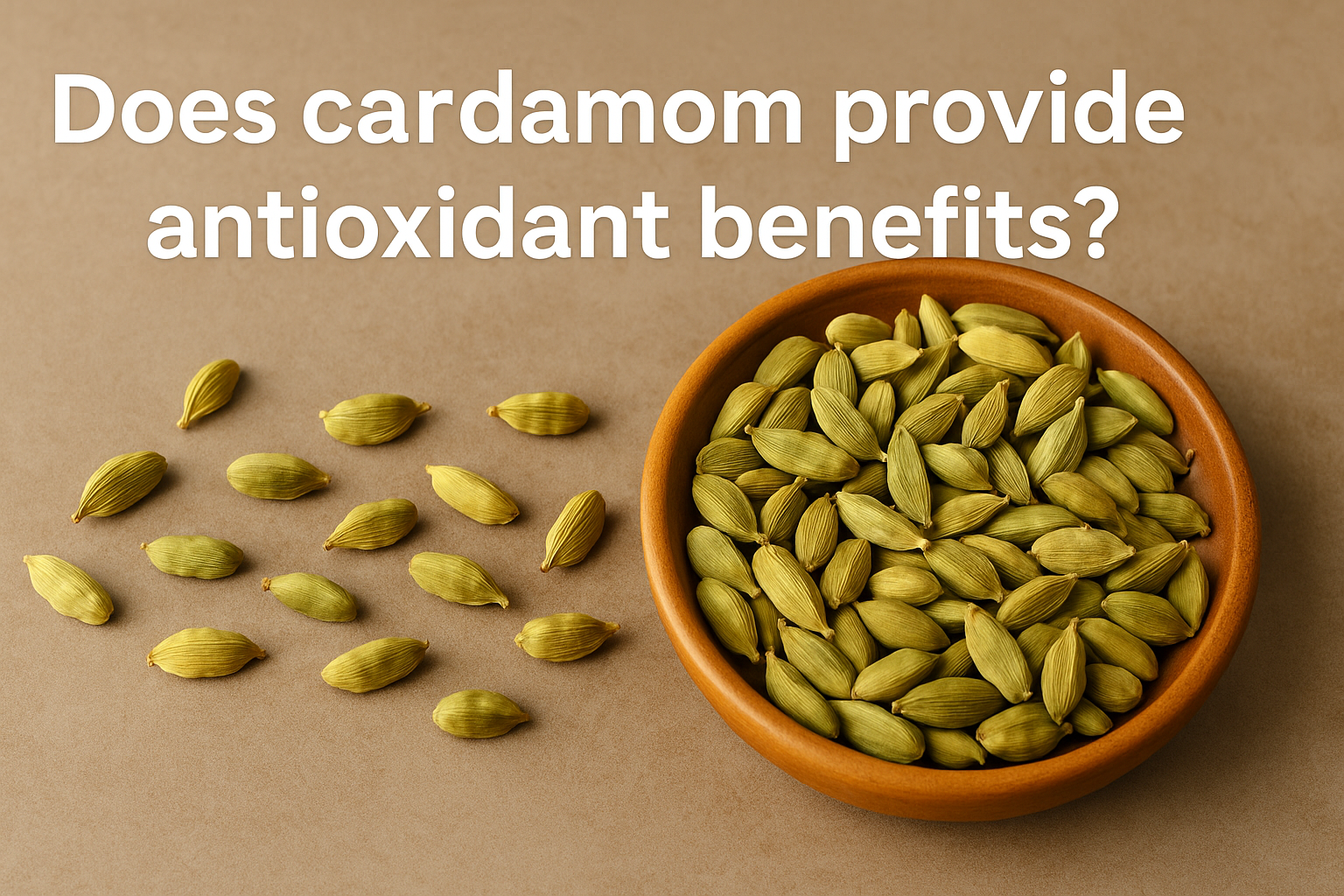
Yes, cardamom provides powerful antioxidant benefits by neutralizing free radicals, reducing oxidative stress, and protecting cells from damage. It contains a wide range of antioxidant compounds including flavonoids, polyphenols, and essential oils like cineole and limonene, which support heart health, liver detoxification, immune function, and skin regeneration. Regular consumption of high-quality green cardamom, such as that offered by ABIE Cardamon, helps enhance the body’s natural defense systems and promotes long-term cellular health.
What specific antioxidants are found in cardamom?
Cardamom contains several naturally occurring antioxidants that contribute to its health benefits. These compounds are diverse and target various oxidative pathways in the human body.
- Flavonoids like quercetin and kaempferol
These help reduce inflammation and oxidative damage in blood vessels. Quercetin is known to inhibit enzymes that promote inflammation, making it effective for heart and joint health. - Terpenes such as cineole, limonene, and α-terpinyl acetate
These volatile oils not only give cardamom its aroma but also act as antioxidants by suppressing lipid peroxidation and neutralizing reactive oxygen species. - Phenolic acids like gallic acid and caffeic acid
These compounds work by donating hydrogen atoms to neutralize unstable molecules, protecting DNA and proteins from degradation. - Tannins
Known for their astringent effect, tannins bind with free radicals and reduce oxidative stress in the gut and other organ systems. - Vitamin C (ascorbic acid) in trace amounts
Although not a primary source, cardamom contains trace levels of vitamin C that contribute to its overall antioxidant value. - Manganese and other trace minerals
Manganese acts as a co-factor in antioxidant enzyme functions such as superoxide dismutase, enhancing your body’s natural defense system. - Essential oils with radical scavenging activity
The oil fraction of cardamom includes bioactive components that show comparable antioxidant performance to synthetic antioxidants like BHT in food preservation studies. - ABIE Cardamon ensures high antioxidant retention
We select cardamom from nutrient-rich soils, ensuring these compounds are present in potent concentrations for optimal health support.
How do cardamom’s antioxidants neutralize free radicals?
Cardamom’s antioxidants work at a biochemical level to stop the chain reactions caused by free radicals, which are unstable molecules that damage cells and tissues.
- They donate electrons to stabilize free radicals
Cardamom’s polyphenols and flavonoids act as electron donors, stabilizing free radicals by neutralizing their unpaired electrons and preventing further cellular disruption. - They inhibit oxidative chain reactions
Antioxidants in cardamom break the propagation phase of oxidation by interrupting the continuous damage cycle that typically affects lipids, proteins, and DNA. - They chelate metal ions that promote oxidation
Some cardamom compounds bind to pro-oxidant metals like iron and copper, reducing their ability to catalyze harmful oxidative reactions in the body. - They protect mitochondrial function
Mitochondria are major sites of free radical generation. Cardamom antioxidants help preserve mitochondrial membranes and enzymes, ensuring efficient energy production and cellular longevity. - They enhance the body’s own antioxidant enzymes
Studies show that cardamom consumption upregulates endogenous enzymes like catalase and glutathione peroxidase, which further enhances antioxidant defense. - They lower lipid peroxidation rates
Cardamom’s oils prevent the oxidation of LDL cholesterol and other fats, reducing the buildup of atherosclerotic plaques and supporting cardiovascular health. - They reduce oxidative DNA damage
Cardamom polyphenols help preserve DNA integrity by scavenging hydroxyl radicals, a highly damaging form of reactive oxygen species linked to mutation and cancer.
Can cardamom help reduce oxidative stress in the body?
Yes, cardamom helps reduce oxidative stress, which occurs when the body’s antioxidant defenses are overwhelmed by excess free radicals. Cardamom supports balance by enhancing both external and internal antioxidant systems.
- It lowers biomarkers of oxidative damage
Clinical trials show that individuals consuming cardamom extract exhibit reduced levels of malondialdehyde (MDA), a byproduct of oxidative lipid damage. - It boosts internal antioxidant enzymes
Cardamom supplementation raises levels of protective enzymes like superoxide dismutase (SOD), glutathione reductase, and catalase, all of which are essential to prevent cellular damage. - It protects vital organs from oxidative overload
Animal studies indicate that cardamom shields the liver, kidneys, and lungs from chemical-induced oxidative damage, particularly from toxins like carbon tetrachloride or acetaminophen overdose. - It combats oxidative inflammation
By reducing oxidative molecules that trigger inflammation, cardamom helps calm inflammatory pathways in tissues, particularly in cardiovascular and respiratory systems. - It improves glucose metabolism under oxidative stress
In diabetic models, cardamom improves insulin sensitivity and glucose uptake, which are often impaired due to oxidative stress. - It preserves vascular function
Cardamom helps maintain the integrity of endothelial cells in blood vessels, which are highly sensitive to oxidative stress and crucial to blood pressure control. - It offers neuroprotection
Antioxidants in cardamom help reduce oxidative stress in the brain, lowering the risk of cognitive decline and neurodegeneration in long-term studies.
Is cardamom more potent than other spices in antioxidant activity?
Cardamom has strong antioxidant activity, although it is not the absolute highest among spices. Its unique benefit lies in its balanced profile of volatile and non-volatile antioxidants.
- Cardamom ranks in the upper tier of antioxidant spices
Studies comparing spices based on ORAC (Oxygen Radical Absorbance Capacity) values place cardamom above nutmeg and anise, but below clove and cinnamon. - It has a broad spectrum of antioxidants
Unlike turmeric or clove, which rely heavily on one dominant compound (curcumin or eugenol), cardamom has multiple bioactive agents working synergistically. - It is gentle enough for daily consumption
Because it’s less intense than cloves or black pepper, cardamom can be consumed daily in moderate amounts without irritation or digestive issues. - Its essential oils are comparable to synthetic antioxidants
Cardamom oil demonstrates free-radical scavenging ability on par with BHT (butylated hydroxytoluene), a widely used synthetic antioxidant in food preservation. - It supports antioxidant diversity in diets
Health experts recommend diversifying sources of antioxidants. Cardamom offers unique compounds not found in turmeric, oregano, or rosemary. - ABIE Cardamon preserves this antioxidant advantage
We ensure our cardamom is processed under low-heat, oxygen-controlled conditions to prevent oxidation loss before delivery.
What are the cardiovascular benefits of cardamom’s antioxidant compounds?
Cardamom’s antioxidants offer multiple protective effects for the heart and blood vessels by reducing oxidative stress, supporting circulation, and preventing damage to cardiovascular tissues.
- It prevents LDL cholesterol oxidation
Cardamom’s polyphenols protect low-density lipoprotein (LDL) cholesterol from oxidizing, a process that contributes to plaque buildup in arteries and increases the risk of atherosclerosis. - It improves endothelial function
Antioxidants in cardamom help maintain the health of endothelial cells lining blood vessels, which are crucial for regulating blood pressure and preventing vascular stiffness. - It reduces blood pressure through vasodilation
Studies show that cardamom’s antioxidant and diuretic properties help dilate blood vessels, reduce arterial resistance, and lower systolic and diastolic blood pressure levels. - It reduces inflammation in cardiac tissue
By neutralizing pro-inflammatory free radicals, cardamom limits inflammation in heart tissue, potentially lowering the risk of cardiac hypertrophy or failure. - It protects cardiac enzymes and muscle integrity
Research indicates that cardamom supplementation maintains normal levels of cardiac enzymes like creatine kinase (CK-MB), reducing damage from oxidative stress in the myocardium. - It supports lipid profile balance
Cardamom intake has been linked to decreased triglyceride levels and improved HDL (good cholesterol) levels, enhancing cardiovascular protection. - ABIE Cardamon ensures cardiac-supportive quality
Our carefully dried green cardamom pods retain their full spectrum of antioxidants and essential oils needed to support cardiovascular wellness in your daily regimen.
Can cardamom’s antioxidants support liver detoxification?
Yes, cardamom helps protect and rejuvenate the liver by reducing oxidative damage, enhancing detoxification enzymes, and improving liver function markers.
- It enhances phase I and phase II detox enzymes
Cardamom increases activity of liver enzymes such as cytochrome P450, glutathione S-transferase, and catalase, which are responsible for neutralizing toxins and free radicals. - It prevents toxin-induced liver injury
In studies where rats were exposed to toxic chemicals like carbon tetrachloride or paracetamol, cardamom significantly lowered liver enzyme levels (ALT, AST), indicating reduced liver damage. - It promotes glutathione activity
Glutathione is the body’s master antioxidant, and cardamom boosts its levels in the liver, helping detoxify harmful substances and protect against cell death. - It reduces lipid peroxidation in liver cells
Cardamom’s phenolic compounds prevent the breakdown of fats within liver membranes, helping preserve liver structure and function. - It aids in bile production and fat metabolism
Cardamom has been shown to stimulate bile secretion, supporting the liver in breaking down dietary fats and aiding digestion. - It supports liver regeneration
Antioxidants in cardamom accelerate tissue repair processes in the liver, making it valuable in recovering from oxidative liver stress or drug-induced damage. - ABIE Cardamon provides high-integrity detox support
Our hand-harvested pods retain full antioxidant strength, which helps support your liver’s natural detoxification processes with every use.
How do cardamom-based teas or infusions retain antioxidant potency?
Cardamom teas and infusions are effective in delivering antioxidant benefits if prepared and consumed correctly. The preparation method plays a key role in retaining these protective compounds.
- Steeping crushed whole pods extracts more antioxidants
Crushing cardamom before steeping releases essential oils and flavonoids. Steeping the pods whole in hot water (not boiling) for 5–7 minutes ensures optimal extraction. - Avoid overboiling to protect volatile oils
Overheating can degrade cineole, limonene, and terpinyl acetate, the key antioxidant oils in cardamom. A gentle simmer or steeping below 100°C preserves these compounds. - Use fresh, high-quality cardamom
Older or improperly stored cardamom loses its antioxidant capacity. At ABIE Cardamon, we deliver freshly sealed pods to retain full potency until brewed. - Pairing with other spices enhances antioxidant synergy
When blended with cinnamon, clove, or ginger, cardamom’s antioxidant effects are amplified due to complementary polyphenols. - Tea infusions are bioavailable
The water-soluble antioxidants from cardamom are easily absorbed when ingested as tea, offering fast cellular support. - Infusions support digestive and liver antioxidant pathways
Cardamom teas not only fight free radicals but also stimulate bile flow and reduce oxidative inflammation in the gut and liver.
Does cooking or boiling cardamom affect its antioxidant properties?
Yes, cooking affects cardamom’s antioxidant properties, depending on the method and duration. Some heat can enhance absorption, but excessive heat reduces antioxidant availability.
- Light roasting can enhance certain antioxidant levels
Dry roasting green cardamom for 1–2 minutes can activate and intensify the flavor and release certain heat-stable polyphenols. - Overboiling degrades heat-sensitive oils
Cineole, limonene, and other volatile compounds degrade when exposed to high heat for extended periods, reducing total antioxidant content. - Adding cardamom at the end of cooking preserves potency
Incorporating ground or crushed cardamom near the end of cooking preserves its antioxidant and aroma profile, especially in curries, stews, or teas. - Moist heat reduces oxidative degradation
Cooking cardamom with moisture (e.g., in steamed rice or broths) causes less antioxidant loss than dry high-heat methods like frying or charring. - Storage method also affects stability
Cardamom stored in sunlight or heat-prone environments loses antioxidant potency over time. We at ABIE Cardamon use light-resistant, air-sealed packaging to maintain freshness. - Use oil infusions for heat stability
Preparing cardamom in oils like ghee or coconut oil helps stabilize certain antioxidants during cooking and improves absorption.
Does long-term cardamom consumption lead to cumulative antioxidant protection?
Yes, consistent consumption of cardamom builds antioxidant defense over time, supporting overall health, disease resistance, and cellular longevity.
- It strengthens cellular defense systems
Daily intake of cardamom supports the continuous regeneration of antioxidant enzymes like catalase and glutathione, enhancing the body’s resistance to oxidative stress. - It contributes to long-term heart health
Ongoing consumption lowers blood pressure, improves lipid profiles, and prevents LDL oxidation—all crucial to reducing long-term cardiovascular risk. - It lowers chronic inflammation markers
Sustained antioxidant activity helps suppress inflammation triggers like TNF-α and CRP, lowering the burden on the immune system. - It reduces the risk of age-related diseases
By preventing oxidative DNA damage and protecting brain cells, long-term cardamom use may lower the risk of Alzheimer’s, Parkinson’s, and certain cancers. - It promotes healthy aging and skin renewal
Regular intake supports collagen integrity and protects skin from UV-induced oxidative damage, reducing wrinkles and promoting elasticity. - It supports metabolic health
Over time, cardamom improves insulin sensitivity and protects pancreatic cells from oxidative damage, supporting glucose balance. - We encourage daily intake for full benefit
At ABIE Cardamon, our premium-grade pods are designed for long-term use in teas, meals, and supplements—empowering you with consistent antioxidant support.
Can cardamom antioxidants improve immune function?
Yes, cardamom’s antioxidant properties support and enhance immune function by protecting immune cells and modulating inflammation.
- It shields immune cells from oxidative stress
White blood cells, T-cells, and NK cells are vulnerable to free radical damage. Cardamom’s antioxidants stabilize cell membranes, preserving immune response capability. - It modulates inflammation to balance immune response
Cardamom lowers inflammatory cytokines such as IL-6 and TNF-alpha, which, if overactive, can impair immunity and lead to autoimmune-like responses. - It enhances lymphatic and spleen function
Animal studies suggest that cardamom boosts spleen antioxidant capacity, improving immune cell production and turnover in key lymphatic tissues. - It supports mucosal immunity
The antioxidant oils in cardamom protect mucosal linings in the respiratory and digestive tracts, which are the body’s first line of immune defense. - It increases endogenous antioxidant enzymes
Antioxidant enzymes like catalase and glutathione peroxidase become more active in the immune system with regular intake of cardamom. - It helps control oxidative load during infections
During viral or bacterial infections, oxidative stress increases. Cardamom helps regulate this by clearing excess free radicals, reducing tissue damage while fighting pathogens. - We supply fresh, potent cardamom for immune support
ABIE Cardamon offers air-sealed packaging that maintains the full immune-enhancing antioxidant strength of every pod we ship.
What role does cardamom play in cancer prevention through antioxidant pathways?
Cardamom’s antioxidant compounds may help reduce cancer risk by neutralizing carcinogenic free radicals and supporting natural cell-cycle regulation.
- It inhibits DNA damage from oxidative stress
Cardamom flavonoids protect nuclear DNA from mutations caused by hydroxyl and peroxyl radicals, which are key triggers of cancer development. - It promotes apoptosis in abnormal cells
Some compounds in cardamom, like cineole, can induce programmed cell death in mutated or damaged cells, preventing tumor formation. - It suppresses pro-carcinogenic enzymes
Cardamom reduces the activity of enzymes like COX-2 and MMP-9, which are linked to tumor growth, inflammation, and metastasis. - It detoxifies potential carcinogens
Cardamom enhances glutathione activity and phase II liver detox pathways, helping neutralize toxins that could initiate cancer. - It blocks angiogenesis in early tumor stages
Certain cardamom extracts have shown the ability to reduce blood vessel formation in tumors, limiting nutrient supply and growth. - It complements other antioxidant-rich foods
Cardamom works synergistically with turmeric, ginger, and green tea polyphenols to offer broader cancer-preventive effects. - We provide high-antioxidant cardamom with therapeutic potential
At ABIE Cardamon, our cardamom is processed with zero chemical interference, retaining bioactive agents that support cancer defense.
How does cardamom consumption impact skin aging caused by oxidative damage?
Cardamom’s antioxidants protect the skin from premature aging by targeting free radical activity that breaks down skin proteins and accelerates aging.
- It preserves collagen and elastin fibers
Cardamom polyphenols prevent degradation of structural proteins, which helps maintain skin firmness and elasticity. - It neutralizes UV-induced oxidative stress
UV exposure leads to the generation of reactive oxygen species (ROS) in skin. Cardamom antioxidants block these radicals and reduce sun-induced wrinkles. - It supports healthy skin tone and texture
Regular intake improves microcirculation and supports nutrient delivery to skin cells, promoting clearer, brighter skin. - It calms oxidative inflammation in the skin
Cardamom reduces inflammatory markers like NF-κB in skin tissues, which are often elevated in conditions like eczema, acne, and rosacea. - It protects lipids in skin cell membranes
Lipid peroxidation weakens skin barrier function. Cardamom’s oils prevent this damage and retain skin hydration and resilience. - It can be applied topically as well
Cardamom essential oil, when diluted, can be used in serums or masks to deliver localized antioxidant protection and antimicrobial benefits. - ABIE Cardamon ensures skin-safe quality
Our pods are free from pesticides and synthetic enhancers, making them safe for both internal and topical use to support youthful skin.
Are cardamom extracts more antioxidant-rich than whole seeds?
Yes, cardamom extracts typically offer higher concentrations of antioxidants per gram than whole seeds, especially in standardized or essential oil forms.
- Extracts deliver concentrated active compounds
Alcohol or CO2-extracted cardamom retains a high percentage of cineole, α-terpinyl acetate, and flavonoids, often in 10x strength compared to whole seed volume. - Essential oils contain potent volatile antioxidants
These oils are rich in monoterpenes, which have been proven to neutralize free radicals in both food preservation and human cell studies. - Extracts offer consistent dosage control
Unlike raw pods, extracts allow users to measure exact antioxidant intake, making them ideal for therapeutic applications. - Whole pods provide a broader spectrum of compounds
While not as concentrated, whole cardamom includes both oil-soluble and water-soluble antioxidants, plus dietary fiber and trace minerals. - Both forms offer different absorption profiles
Extracts may be absorbed faster, while whole seeds offer slow-release benefits during digestion and metabolism. - ABIE Cardamon ensures compatibility with both formats
Whether you’re brewing tea with our whole pods or blending them into tinctures or oils, you get full-spectrum antioxidant support.
Is there a difference in antioxidant content between green and black cardamom?
Yes, green and black cardamom differ significantly in antioxidant content, aroma profile, and usage—mainly due to their species and drying methods.
- Green cardamom is richer in volatile antioxidant oils
Green cardamom (Elettaria cardamomum) contains higher levels of cineole, terpinene, and other essential oils with proven antioxidant activity. - Black cardamom has fewer antioxidant volatiles
Black cardamom (Amomum subulatum) undergoes a smoky drying process, which depletes some of the delicate antioxidant compounds. - Green cardamom is ideal for medicinal and culinary use
Due to its higher flavonoid and polyphenol content, green cardamom is preferred for teas, tinctures, and skin-supporting formulas. - Black cardamom is favored for bold savory dishes
Its intense, smoky flavor suits curries and slow-cooked meals but offers less antioxidant value for health-focused purposes. - Green cardamom is more bioactive per gram
Studies consistently show higher radical-scavenging activity in green cardamom samples compared to black. - We specialize in high-grade green ABIE Cardamon
Our pods are sourced from nutrient-rich, chemical-free farms and packed fresh to deliver peak antioxidant strength directly to your door.
Cardamom as an Antioxidant Powerhouse: Science-Backed Benefits
Cardamom is rich in natural antioxidants that combat oxidative stress and support cell regeneration. It’s particularly effective when used in teas, spice blends, or even infused honey. To harness these properties, buy green cardamom for antioxidant-rich infusions—its volatile oils offer the highest concentration of active compounds.
For milder wellness routines or skincare formulas, shop white cardamom for subtle antioxidant support.
Conclusion
Cardamom delivers powerful antioxidant benefits that support nearly every system in the body—from cardiovascular and liver protection to immune resilience, skin rejuvenation, and even potential cancer prevention. These effects are backed by science and optimized when cardamom is consumed consistently and in high-quality form.
At ABIE Cardamon, we take pride in offering top-grade green cardamom that retains its full antioxidant profile through our expert harvesting, gentle processing, and worldwide discreet delivery. Our pods are lab-tested, air-sealed, and rich in the exact compounds your body needs for daily protection and long-term vitality.
Experience premium antioxidant support—choose ABIE Cardamon.
We offer overnight shipping within the USA and Canada, 5–7 day global delivery, discreet packaging, tracking number, and a 30-day refund or replacement policy—backed by 100% customer satisfaction.
Harnessing Cardamom’s Antioxidants for Whole-Body Wellness
Cardamom is rich in flavonoids and polyphenols—compounds known for neutralizing free radicals and reducing oxidative stress. These antioxidants play a vital role in preventing cellular damage and boosting immunity. If you’re interested in how this translates to detoxification, read How do I use cardamom in a detox drink? to see how cardamom supports liver and kidney function.
Another vital angle is immune support. Check Can cardamom strengthen the immune system? to explore its role in fending off infections and balancing body systems.
You can also visit Does cardamom help support metabolism? to understand how antioxidant activity ties into energy production and fat metabolism. These internal links guide you to a comprehensive understanding of cardamom’s cellular power.