Can cardamom oil help stimulate hair growth?
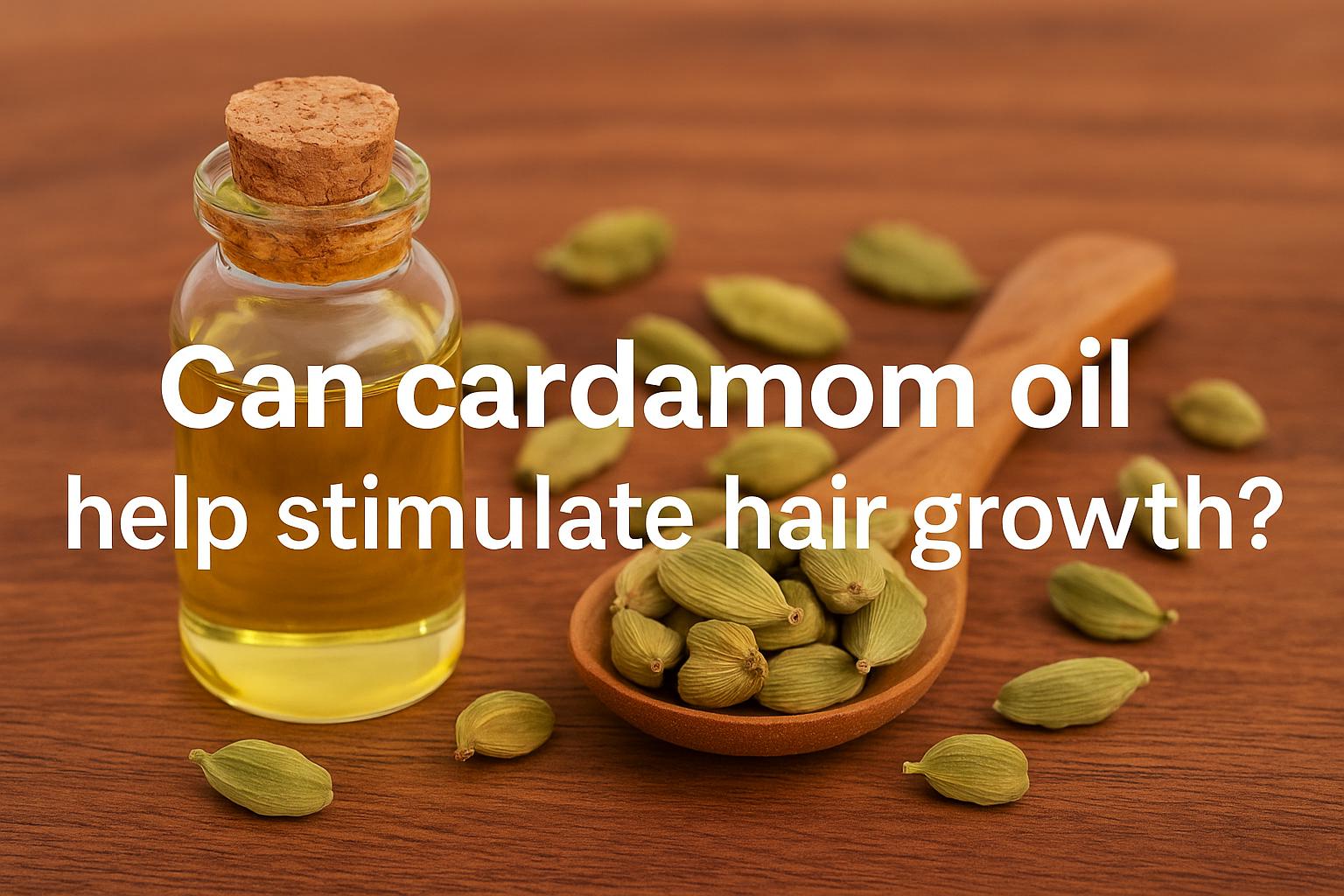
Yes, cardamom oil can help stimulate hair growth by improving blood circulation to the scalp, unclogging hair follicles, and reducing inflammation that may hinder regrowth. Its natural compounds—such as cineole, flavonoids, and vitamin C—support follicle nourishment, strengthen roots, and create a healthy scalp environment for hair to grow. When diluted properly and applied consistently, cardamom oil also improves hair texture, reduces dandruff, and protects against oxidative damage, making it a well-rounded, plant-based solution for promoting natural hair regrowth.
Can cardamom oil help stimulate hair growth naturally?
Cardamom oil can help stimulate hair growth naturally by creating a healthier scalp environment and activating the hair follicles. The natural compounds in cardamom oil have properties that enhance blood circulation, reduce microbial buildup, and support the nourishment needed for hair follicles to function optimally. When used consistently as part of a hair care routine, it may encourage denser, stronger, and more vibrant hair growth.
- Stimulates blood flow to dormant hair follicles
Cardamom oil contains compounds like 1,8-cineole that increase local circulation when applied to the scalp. This helps deliver oxygen and nutrients directly to the follicles, which are essential for initiating the hair growth cycle. - Removes buildup and detoxifies the scalp
Its antimicrobial and antiseptic properties help cleanse the scalp of excess sebum, dead skin cells, and dirt that can block follicles. A clean scalp allows hairs to emerge without obstruction, improving both growth and volume. - Promotes a balanced scalp microbiome
Cardamom oil’s natural antibacterial properties assist in maintaining a healthy balance of microorganisms on the scalp, reducing the risk of inflammation, flakiness, and conditions like seborrheic dermatitis that interfere with hair growth. - Reduces oxidative stress on the scalp
Rich in antioxidants, cardamom oil neutralizes free radicals that damage hair follicles over time. This protection helps preserve follicle activity and supports the natural anagen (growth) phase of hair. - Soothes inflammation linked to hair thinning
Chronic scalp inflammation is a leading cause of follicle miniaturization and shedding. Cardamom oil has anti-inflammatory effects that help calm irritated skin and protect follicles from degradation. - Improves absorption of other hair-growth ingredients
When used in combination with carrier oils or hair masks, cardamom oil may enhance the penetration of nutrients into the scalp, maximizing the overall effectiveness of the treatment. - Supports hormone balance on the scalp
Cardamom’s phytonutrients help regulate scalp oil production and may balance minor hormonal activity, reducing excess DHT buildup, a hormone linked to hair loss in both men and women.
What nutrients in cardamom oil contribute to hair regrowth?
Cardamom oil contains a unique combination of bioactive compounds that contribute directly or indirectly to supporting hair regrowth. These nutrients and plant chemicals offer both topical benefits and long-term nourishment that reinforces scalp and follicle health.
- Cineole (1,8-cineole)
This compound enhances circulation to the scalp, delivering oxygen and nutrients to hair follicles. It also contributes to the warming sensation experienced during massage, which can help activate dormant follicles. - Flavonoids and polyphenols
These antioxidant compounds protect against cellular damage in the scalp by neutralizing free radicals. They also support healthy tissue regeneration, which is essential for maintaining robust follicle function. - Vitamin C
Cardamom oil contains vitamin C, a nutrient that supports collagen synthesis and acts as a natural antioxidant. Collagen is essential for maintaining skin structure, including the dermal layers that house hair follicles. - Trace minerals: zinc and magnesium
Zinc regulates scalp oil production and aids tissue repair, while magnesium supports enzymatic functions critical for healthy follicle cycles. Though present in small amounts, they play important supporting roles. - Terpinene and limonene
These terpenes found in cardamom oil have antimicrobial properties that reduce fungal and bacterial accumulation on the scalp. Keeping the scalp clean is essential for healthy follicle activity. - Essential fatty acids
Cardamom oil contains a small percentage of naturally occurring lipids that nourish the skin barrier, helping the scalp retain moisture and resist dryness that could otherwise inhibit follicle function. - Iron and manganese (in trace levels)
While not present in significant concentrations, trace amounts of these minerals contribute to better scalp oxygenation and antioxidant enzyme production, reinforcing healthy cellular turnover.
How does cardamom oil stimulate blood circulation in the scalp?
Blood circulation is a key factor in hair growth because it ensures that hair follicles receive the nutrients and oxygen they need to stay active. Cardamom oil stimulates circulation through both its chemical composition and physical application methods.
- Activates blood vessels with natural vasodilators
Cardamom oil contains cineole, a natural vasodilator, which encourages the dilation of blood vessels in the scalp. This improved blood flow allows more efficient delivery of nutrients to the base of each follicle. - Enhances the effects of scalp massage
When used with massage techniques, cardamom oil increases frictional heat and skin stimulation, further boosting microcirculation. This combination helps wake up inactive follicles and support their growth cycle. - Encourages follicle nourishment and detoxification
Improved circulation also helps remove waste byproducts that can accumulate in scalp tissue, such as dead cells, sebum, and metabolic waste, all of which could otherwise impair follicle function. - Warms the scalp for deeper oil penetration
The natural warming sensation produced by cardamom oil promotes better absorption of the oil into the skin layers. This makes its nutrients more bioavailable to follicles and surrounding tissue. - Stimulates capillary expansion
With regular application, cardamom oil may enhance the density and performance of the capillaries that feed the hair roots, maintaining optimal oxygen and nutrient exchange. - Delivers antioxidants through increased circulation
Boosted blood flow aids in delivering antioxidants contained in the oil to deeper dermal layers, supporting long-term follicle survival and slowing degeneration.
Can cardamom oil improve overall hair texture and thickness?
Yes, cardamom oil has the potential to improve the texture and thickness of hair by reinforcing the health of the scalp and hair shaft. The nutrients and bioactive compounds in the oil strengthen the cuticle layer, support shaft hydration, and reduce environmental damage.
- Smooths and seals the hair cuticle
The oil helps close the hair cuticle, which reduces frizz and creates a smoother appearance. This sealing action also helps retain moisture in the shaft, improving softness and manageability. - Improves hydration retention in hair strands
Cardamom oil contains small amounts of fatty acids that form a light barrier over the strands, helping retain moisture without causing buildup. Well-hydrated hair is less brittle and more resistant to breakage. - Strengthens the hair shaft
The antioxidants in the oil prevent oxidative stress on hair strands, reducing damage from pollution and UV exposure. Over time, this can lead to thicker, more resilient hair. - Reduces breakage from dry or brittle hair
By moisturizing the scalp and nourishing the follicles, cardamom oil supports the production of healthier, more elastic hair strands that are less prone to snapping during brushing or styling. - Promotes natural shine and smoothness
Regular application enhances the natural sheen of hair, thanks to improved shaft condition and balanced sebum levels. This adds visual thickness and volume to otherwise dull hair. - Protects against environmental damage
Cardamom oil acts as a protective layer, shielding hair from free radicals, wind, dust, and harsh chemicals that can weaken its texture and reduce its density over time.
Does cardamom oil support follicle strength and hair anchoring?
Supporting follicle strength and anchoring is crucial to reducing hair loss and ensuring new hair can grow securely. Cardamom oil plays a multifaceted role in this process, offering protection, nourishment, and stability to hair roots.
- Reinforces the dermal papillae structure
The oil’s nutrients help nourish the cells that anchor the follicle in the dermis. A stronger base structure ensures that the hair remains rooted longer during the growth phase. - Reduces inflammation around the follicle base
Inflammatory responses can loosen the hair shaft and lead to premature shedding. Cardamom oil’s anti-inflammatory properties help calm irritation and prevent weakening of the follicle. - Prevents microbial invasion that can weaken follicles
Scalp infections and fungal overgrowth often lead to hair loss. Cardamom oil’s antimicrobial compounds such as terpinene help safeguard the follicular environment, allowing hairs to stay anchored longer. - Supports collagen around the follicle shaft
Vitamin C in the oil boosts collagen production around hair roots. Collagen adds strength to the tissue that surrounds and holds the hair, improving its structural integrity. - Promotes a healthy scalp barrier
A well-hydrated and balanced scalp protects follicles from external aggressors like pollutants and styling chemicals. Cardamom oil restores the lipid barrier, preserving the follicular ecosystem. - Regulates oil production to avoid root clogging
Balanced sebum levels reduce the risk of follicular congestion. Excess oil can weaken anchoring by causing inflammation or trapping dirt, both of which are reduced with regular use of cardamom oil.
How often should you apply cardamom oil to see hair growth results?
To see hair growth results using cardamom oil, consistency is key. Most individuals benefit from applying it 2 to 3 times per week, allowing the active compounds to regularly nourish the scalp, support follicle health, and maintain a clean scalp environment conducive to regrowth. Results may begin to show after 4 to 6 weeks, depending on hair type, follicle condition, and the overall health of the scalp.
- Apply cardamom oil 2 to 3 times per week
This frequency allows enough exposure to stimulate the scalp without overloading the skin or causing irritation. Regular application keeps the scalp active and conditioned. - Massage into the scalp and leave on for 30 minutes to overnight
Leaving the oil on for at least 30 minutes ensures that the scalp absorbs enough nutrients. For deeper penetration, overnight treatments work well, especially when covered with a wrap or shower cap. - Consistency determines visible results
Hair follicles follow growth cycles, so consistent use is necessary to support the anagen (growth) phase. Intermittent or sporadic use may not produce noticeable improvements. - Initial effects typically appear after 4–6 weeks
Early signs may include reduced hair shedding, improved hair texture, and less scalp dryness. Significant regrowth or thickening may require continued use for 8–12 weeks. - Combine with a balanced diet and proper hair care
Cardamom oil supports external care, but internal nutrients like protein, zinc, and iron are equally important for visible hair improvements. Combining both approaches enhances outcomes. - Avoid daily use to prevent scalp overload
Overuse can lead to product buildup, especially if not properly rinsed. Rest days between applications allow the scalp to breathe and maintain natural oil balance. - Monitor skin response for irritation or allergies
While generally safe when diluted, some may experience sensitivity. If irritation occurs, reduce frequency or perform a patch test before the next use. - Track changes through monthly photos
Documenting your hair’s progress through monthly scalp photos can help you observe subtle improvements in density, shine, and hairline recovery over time.
Can cardamom oil help reduce dandruff and unclog follicles?
Yes, cardamom oil can help reduce dandruff and unclog hair follicles by addressing the root causes of flakiness and buildup on the scalp. Its antifungal, antibacterial, and mild exfoliating properties cleanse the skin, reduce yeast overgrowth, and restore a balanced scalp environment for healthy hair emergence.
- Combats dandruff-causing fungi (Malassezia)
Cardamom oil contains cineole and limonene, which inhibit fungal growth associated with dandruff. These compounds help reduce scalp flaking and itching over time. - Clears follicular blockages
Oil, dead skin cells, and environmental dirt can clog follicles, impeding hair growth. Cardamom oil dissolves impurities and loosens debris, keeping follicles open and functional. - Balances scalp sebum production
Dandruff is often linked to imbalanced oil levels—either too oily or too dry. Cardamom oil helps regulate sebum, preventing both excessive greasiness and dryness. - Soothes scalp inflammation that contributes to flaking
Anti-inflammatory elements like linalool calm irritated skin, reducing redness and swelling that often accompany dandruff conditions. - Restores microbiome harmony on the scalp
An overgrowth of harmful bacteria or fungi disrupts the scalp ecosystem. Cardamom oil’s antimicrobial action helps rebalance this flora, promoting a healthier scalp. - Mild exfoliating effect aids in skin turnover
When massaged into the scalp, the oil helps loosen and remove dead skin cells, promoting natural skin renewal without the harshness of chemical exfoliants. - Prevents recurrence with regular use
Continued application reduces the risk of dandruff returning by maintaining a clean and balanced scalp environment. - Enhances absorption of other anti-dandruff treatments
By unclogging follicles, cardamom oil improves the effectiveness of shampoos or scalp masks used in combination with it.
How effective is cardamom oil in reducing scalp inflammation?
Cardamom oil is highly effective in reducing scalp inflammation due to its natural anti-inflammatory compounds. Chronic inflammation can disrupt follicular health, leading to hair thinning, itching, and flaking. The bioactive elements in cardamom oil target the underlying causes of scalp irritation and help restore calmness and comfort.
- Contains anti-inflammatory terpenes like linalool and terpinene
These compounds soothe irritated tissue, reduce redness, and lower the inflammatory response around hair follicles, improving scalp comfort and function. - Relieves itching and discomfort
Inflammatory scalp conditions such as psoriasis, dermatitis, or allergic reactions often cause persistent itching. Cardamom oil helps calm these sensations and restore a normal skin barrier. - Improves follicular environment for hair growth
Inflammation around follicles can constrict blood vessels and inhibit nutrient delivery. By reducing inflammation, cardamom oil restores healthy blood flow and oxygen supply to follicles. - Neutralizes free radicals that trigger scalp stress
Its antioxidant properties reduce oxidative damage, one of the leading causes of inflammation, particularly in urban environments with pollution or UV exposure. - Reduces microbial triggers of inflammation
Bacterial or fungal imbalances can spark inflammation. Cardamom oil’s antimicrobial effects suppress these overgrowths, minimizing their ability to irritate the scalp. - Strengthens the scalp barrier function
A damaged scalp barrier allows allergens and irritants to penetrate more easily. Cardamom oil supports lipid replenishment, making the skin less reactive and more resilient. - Assists recovery from scalp conditions
Conditions like seborrheic dermatitis or folliculitis benefit from the oil’s soothing properties. With ongoing use, it may reduce flare-ups and maintain skin balance. - Supports hydration to prevent inflammatory dryness
Dry scalp often leads to micro-cracks that spark irritation. Cardamom oil helps retain moisture, reducing the risk of dryness-induced inflammation.
What are the best carrier oils to blend with cardamom oil for hair regrowth?
To maximize the benefits of cardamom oil for hair regrowth, blending it with the right carrier oil ensures safer application and improved nutrient delivery. The carrier oil you choose depends on your scalp type, hair texture, and desired outcome.
- Castor oil (for thickness and rapid regrowth)
Rich in ricinoleic acid, castor oil stimulates the scalp, encourages faster hair growth, and thickens strands. When combined with cardamom oil, it creates a powerful regrowth blend. - Jojoba oil (for oily or sensitive scalps)
Jojoba closely mimics natural sebum and helps regulate oil production. It is non-comedogenic and ideal for balancing sebum while delivering cardamom oil’s actives without irritation. - Coconut oil (for deep scalp penetration)
Known for its ability to enter the hair shaft, coconut oil enhances cardamom oil’s delivery to the follicles. Its lauric acid content also protects against scalp infections. - Argan oil (for shine and anti-frizz support)
Argan oil is lightweight and rich in vitamin E, making it excellent for softening hair and restoring luster. It pairs well with cardamom for those looking to improve hair texture and manageability. - Sweet almond oil (for dry, itchy scalps)
With emollient properties and high levels of magnesium and biotin, almond oil soothes irritation and strengthens roots. It enhances the calming effect of cardamom on the scalp. - Grapeseed oil (for lightweight nourishment)
This oil is easily absorbed, non-greasy, and ideal for those with fine or thin hair. It helps transport cardamom oil’s compounds without weighing the hair down. - Olive oil (for scalp hydration and exfoliation)
Olive oil softens the scalp, loosens debris, and nourishes the skin. It works well in winter months or for extremely dry scalps when combined with cardamom oil. - Avocado oil (for vitamin-rich nourishment)
Packed with vitamins A, D, and E, avocado oil helps heal the scalp and improve elasticity. When blended with cardamom oil, it supports follicle regeneration.
Does cardamom oil promote collagen production in the scalp?
Cardamom oil supports collagen production in the scalp indirectly by supplying nutrients that assist in collagen synthesis and by protecting the scalp’s connective tissues from damage. Collagen is essential for maintaining the structure and elasticity of the dermis—the layer where hair follicles are embedded. By preserving this matrix, cardamom oil contributes to a stronger foundation for hair growth.
- Supplies vitamin C for collagen synthesis
Cardamom oil naturally contains vitamin C, which is vital for the body to synthesize collagen. Adequate collagen supports a firm scalp structure, keeping hair follicles stable and well-nourished. - Neutralizes free radicals that degrade collagen
Antioxidants such as flavonoids in cardamom oil protect scalp cells from oxidative stress, one of the main causes of collagen breakdown. This action preserves the scalp’s ability to maintain elasticity and structure. - Supports fibroblast activity
Fibroblasts are the skin cells responsible for producing collagen. The anti-inflammatory properties of cardamom oil promote a stable environment where fibroblasts can function optimally, improving tissue regeneration and follicle health. - Improves blood flow to collagen-producing cells
Enhanced circulation from cardamom oil massage brings oxygen and nutrients to skin layers where collagen is formed. This supports better turnover of structural proteins, including collagen and elastin. - Combats UV-induced collagen damage
Environmental stress, especially UV exposure, weakens scalp collagen over time. Cardamom oil’s protective phytochemicals help reduce this degradation, especially when used as part of a broader scalp care routine. - Promotes dermal thickness around follicles
A thicker dermis fortified by collagen supports follicle anchoring. With regular use, cardamom oil may help improve scalp thickness, especially in aging or thinning scalp conditions.
Is cardamom oil suitable for oily, dry, or sensitive scalps?
Cardamom oil is suitable for all scalp types—oily, dry, or sensitive—when properly diluted with an appropriate carrier oil. Its natural balancing, anti-inflammatory, and antimicrobial properties allow it to adapt to various scalp needs while avoiding excessive irritation or buildup.
- Balances oil production in oily scalps
Cardamom oil helps regulate sebum levels, preventing excessive oiliness that can clog follicles and lead to scalp acne. Its astringent properties also minimize greasy buildup without stripping the scalp. - Hydrates and nourishes dry scalps
For dry and flaky scalps, cardamom oil soothes irritation and helps retain moisture when paired with emollient carrier oils like sweet almond or avocado oil. It also prevents micro-cracking that leads to flaking. - Calms and protects sensitive scalps
The anti-inflammatory agents in cardamom oil reduce redness, itching, and swelling often experienced with sensitive skin. Linalool and cineole gently calm scalp tissue when used in low concentrations. - Compatible with curly or textured hair types
Curly and coily hair types often have drier scalps. Cardamom oil nourishes the scalp without disrupting curl pattern or causing excess buildup. Lightweight oils like jojoba can help deliver it evenly. - Reduces risk of allergic reactions with proper dilution
When used at a safe 1–3% dilution, cardamom oil is generally non-irritating. Always patch test before full use to prevent reactions in users with very reactive skin. - Non-comedogenic when used with light carriers
Cardamom oil won’t clog pores if paired with non-comedogenic carriers such as jojoba or grapeseed oil, making it safe for those prone to scalp pimples or folliculitis. - Protects the scalp’s natural barrier
It restores and strengthens the scalp’s lipid barrier, making it more resilient against environmental triggers and reducing transepidermal water loss.
Can cardamom oil be used in overnight hair treatments?
Yes, cardamom oil is highly effective when used in overnight hair treatments. This extended application time allows for deeper penetration into the scalp and follicles, ensuring prolonged exposure to its beneficial compounds. However, it must always be diluted before overnight use to avoid irritation or sensitization.
- Provides extended absorption for deeper nourishment
Overnight exposure gives the oil more time to soak into the scalp, allowing the active compounds to reach deeper skin layers and influence follicle behavior more effectively. - Supports follicle repair during nighttime regeneration
The body naturally enters repair mode during sleep. Applying cardamom oil before bed aligns with this biological rhythm, enhancing tissue healing and follicle recovery. - Softens dry patches and soothes itchy scalp
An overnight mask allows the oil’s anti-inflammatory and moisturizing agents to calm scalp irritation and reduce flakiness that builds up during the day. - Reduces morning frizz and boosts softness
Leaving the oil on overnight can also benefit the hair shaft, leaving strands more supple, smooth, and hydrated upon rinsing in the morning. - Best used with a protective covering
To avoid staining bedding, wrap your hair in a silk scarf, bonnet, or shower cap. This also locks in warmth, which may enhance the oil’s effectiveness. - Safe when diluted with appropriate carrier oils
Use 2–3 drops of cardamom oil mixed with 1 tablespoon of a gentle carrier oil (such as coconut or argan oil) to avoid irritation. This blend is safe for prolonged contact. - Rinse thoroughly with mild shampoo in the morning
After overnight use, wash the hair gently to remove excess oil while preserving the benefits. Avoid harsh shampoos that strip the scalp. - Frequency of 1–2 times per week recommended
Using this treatment weekly helps maintain scalp health, prevent buildup, and stimulate consistent follicle activity without overwhelming the skin barrier.
How does cardamom oil compare with other essential oils for hair growth?
Cardamom oil holds its own among popular essential oils used for hair growth by offering a gentler alternative with balanced scalp benefits. While it may not be the strongest growth stimulant, its antimicrobial, circulatory, and anti-inflammatory properties make it a valuable part of a well-rounded regimen.
- Gentler than peppermint oil
While peppermint provides an intense cooling sensation and rapid stimulation, it can be too harsh for sensitive scalps. Cardamom offers a mild warming effect that’s suitable for more users. - More antimicrobial than rosemary oil
Rosemary is known for follicle stimulation but is less effective against fungi and bacteria. Cardamom’s antiseptic properties make it better for maintaining scalp cleanliness and reducing infections. - Less drying than tea tree oil
Tea tree can dry out the scalp when overused. Cardamom, especially when blended with hydrating carriers, maintains moisture balance while still providing antibacterial protection. - Better for soothing inflammation than clove oil
Clove oil is potent but can cause irritation due to its high eugenol content. Cardamom is milder and more suitable for regular use in individuals prone to scalp redness or sensitivity. - Comparable antioxidant power to lavender oil
Lavender is praised for stress relief and antioxidant effects. Cardamom matches it in antioxidant activity while also improving microcirculation and cleansing the scalp more deeply. - Ideal in blends to balance stronger oils
Cardamom oil can be added to blends with rosemary, peppermint, or tea tree to reduce harshness while still contributing to overall scalp support and hair regrowth. - Wider tolerance range across scalp types
Some essential oils are highly effective but poorly tolerated. Cardamom oil is generally safe for use on dry, oily, or sensitive scalps, making it a reliable all-rounder.
What is the recommended dilution ratio for cardamom oil on the scalp?
For safe and effective scalp application, cardamom oil must always be diluted with a carrier oil. This not only prevents skin irritation but also enhances the delivery of its beneficial compounds. Dilution ensures the oil spreads evenly, penetrates effectively, and remains safe for long-term use.
- Standard dilution: 2–3% concentration
Mix 2 to 3 drops of cardamom essential oil with 1 tablespoon (15 mL) of carrier oil. This ratio is effective for regular use, balancing potency with safety for most scalp types. - Sensitive skin dilution: 1% concentration
For people with sensitive or reactive scalps, use just 1 drop of cardamom oil per 1 tablespoon of carrier oil. This reduces the chance of irritation while still delivering therapeutic benefits. - Carrier oils suitable for dilution
The best carrier oils for blending include jojoba (for oily scalps), coconut (for deep penetration), and almond (for dry scalps). These oils act as delivery vehicles and nourish the scalp alongside cardamom. - Avoid undiluted application
Pure essential oil should never be applied directly to the skin or scalp. Cardamom oil is highly concentrated and may cause burning, redness, or itching if used without dilution. - Patch testing is essential before first use
Apply a small amount of the diluted oil behind your ear or on the inner forearm, and wait 24 hours. If no reaction occurs, it’s generally safe to apply to your scalp. - Do not exceed 5% dilution for scalp use
High concentrations may damage skin cells or disturb the scalp’s microbiome. Sticking to the 1–3% range is optimal for both results and safety. - Mix just before application or store in a dark glass bottle
If preparing a larger batch, store it in an amber or cobalt glass bottle away from heat and light to maintain potency and prevent oxidation.
Are there clinical or anecdotal studies supporting cardamom oil’s role in hair regrowth?
While direct clinical studies on cardamom oil for hair regrowth are limited, several lines of evidence—both traditional and scientific—suggest that cardamom oil has qualities beneficial for supporting scalp health and promoting conditions ideal for hair growth.
- Traditional use in Ayurvedic and Unani medicine
Cardamom has long been used in ancient medical systems to treat scalp conditions, boost blood flow, and support skin regeneration. Its historical use underscores its reputation for promoting healthy hair. - Studies on individual compounds like cineole and limonene
Research shows that compounds such as 1,8-cineole enhance circulation, and limonene has strong antioxidant effects. Both are critical for maintaining follicle vitality and are present in cardamom oil. - Anecdotal evidence from users
Many users report reduced hair shedding, less dandruff, and improved scalp comfort after consistent use of cardamom oil. These testimonials support its growing popularity in natural hair care routines. - Clinical studies on similar essential oils
While cardamom oil lacks its own dedicated hair studies, oils with similar chemical profiles—like rosemary and lavender—have shown promising results in peer-reviewed trials. Given the overlap in compounds, cardamom is likely to offer comparable benefits. - Scientific validation of antimicrobial and anti-inflammatory properties
Laboratory studies confirm that cardamom oil combats bacterial and fungal strains common on the scalp. It also exhibits measurable anti-inflammatory activity, crucial for maintaining a hair-friendly environment. - Interest in phytochemical-rich hair treatments
Modern cosmetic research continues to explore plant-based compounds for scalp care. Cardamom oil’s diverse phytochemical profile positions it well within this trend of botanically driven hair restoration. - Increasing integration in cosmetic formulations
Cardamom oil is being added to high-end hair serums, scalp masks, and holistic formulations, indicating growing industry recognition of its multi-targeted action on scalp and follicle health.
Hair Growth with Cardamom Oil: Stimulate Naturally
Cardamom oil stimulates the scalp, increases circulation, and promotes healthy hair growth. It’s often infused in carrier oils like coconut or jojoba. For DIY blends, buy green cardamom for hair oil infusions to improve root strength and shine.
For gentle, aromatic infusions, get Thai cardamom for hair care applications
Conclusion
Cardamom oil is a powerful natural ally in promoting hair growth, improving scalp health, and restoring hair texture. Its unique combination of circulation-boosting, antimicrobial, anti-inflammatory, and antioxidant properties supports follicular function from every angle. Whether you’re dealing with thinning hair, a flaky scalp, or simply want to boost the health of your hair naturally, cardamom oil offers a safe and versatile solution.
From stimulating dormant follicles to balancing oil production and reinforcing the scalp’s collagen matrix, this essential oil works best when diluted properly and used consistently. It also blends well with carrier oils and other growth-supporting ingredients, making it a valuable addition to any hair care routine.
At ABIE Cardamon, we proudly offer top-quality cardamom oil that is carefully sourced and processed to preserve its purity and effectiveness. Our products are available for discreet worldwide delivery, including overnight shipping in the USA and Canada, and 5–7 day international delivery. We stand behind every order with a 30-day full refund or replacement policy and guaranteed 100% customer satisfaction.
Whether you’re seeking natural regrowth, a healthier scalp, or a richer hair texture—ABIE Cardamon is your trusted source for premium cardamom oil that delivers visible results. Shop with us today and begin your journey toward naturally vibrant hair.
Strengthening Scalp and Hair with Cardamom Oil
Cardamom oil helps increase blood circulation in the scalp, nourishing hair follicles and potentially encouraging hair growth. It also helps soothe itchy or inflamed scalps. To understand its broader application in body care, explore Is cardamom suitable for massage oil blends?, which explains how essential oils are used in rejuvenating therapies.
For scalp-specific relief, Is cardamom good for dry scalp or dandruff? offers targeted support for common concerns that often block healthy hair growth.
If you’re preparing multi-use oils or wellness kits, check Can I use cardamom in natural deodorants?. This broader application of essential oils helps create head-to-toe routines based on purity and performance.