
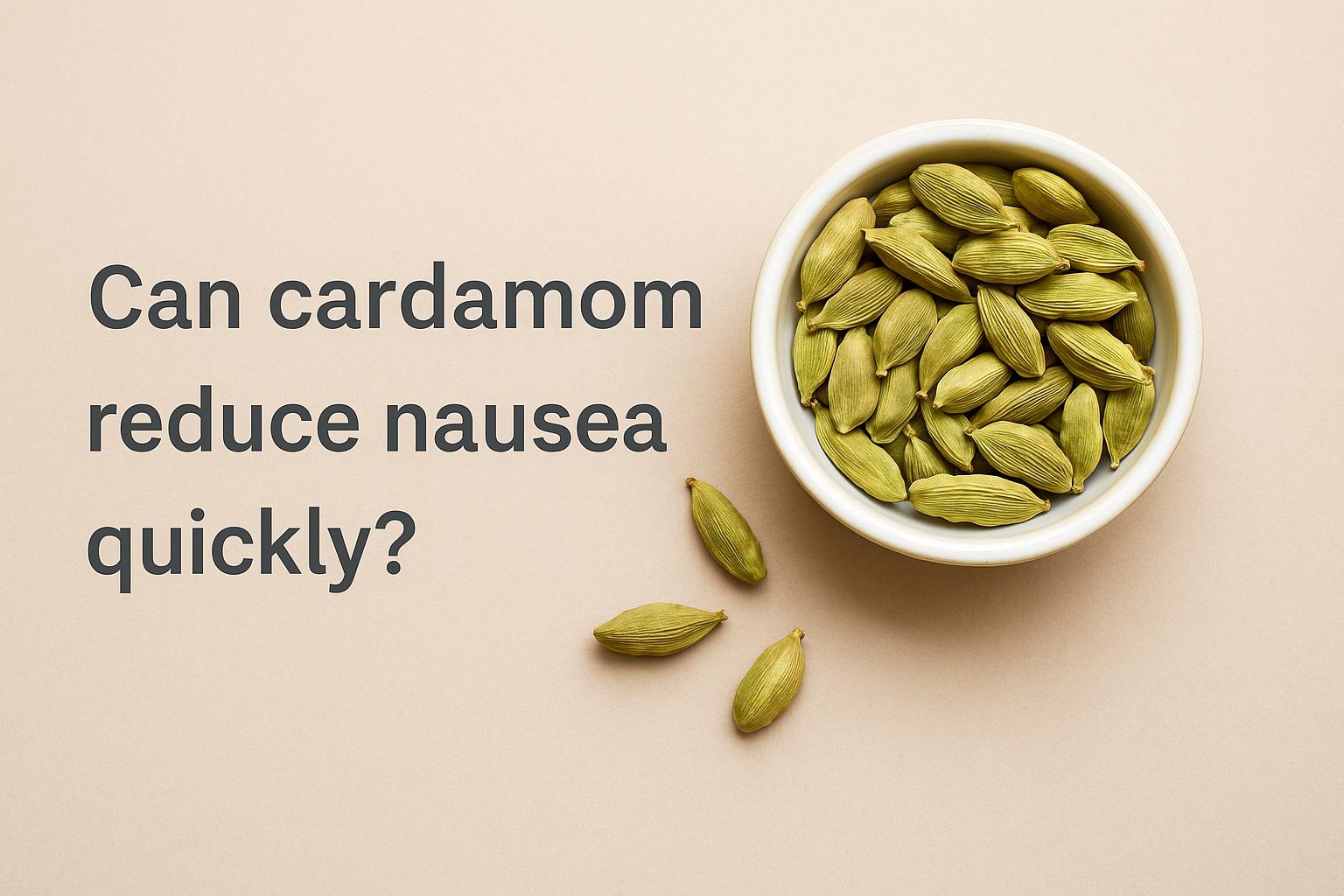
Can cardamom reduce nausea quickly?
Yes, cardamom can reduce nausea quickly due to its fast-acting digestive and aromatic compounds. Chewing cardamom pods, drinking cardamom tea, or inhaling its essential oil helps calm stomach muscles, ease bloating, and relax the nervous system. It works within minutes by reducing acid buildup, improving bile flow, and soothing gut spasms, making it effective for motion sickness, pregnancy nausea, indigestion, and chemotherapy-related queasiness.
How fast does cardamom work for nausea relief?
Cardamom begins to work within 5 to 20 minutes, depending on how it is consumed. Its rapid bioavailability and dual digestive-aromatic action make it one of the fastest natural remedies for nausea.
- Chewing cardamom pods delivers near-instant relief
When chewed, the volatile oils are released directly into the mouth, where absorption starts quickly through oral mucosa and enters the bloodstream. - Cardamom tea works in about 10–15 minutes
When brewed, warm water extracts the active compounds efficiently. As the tea reaches the stomach, it begins to relax the digestive tract and reduce nausea signals. - Sublingual and inhalation methods are the fastest
Using cardamom essential oil under the tongue or inhaled through diffusers brings immediate results through olfactory and neural pathways. - Effectiveness increases when paired with warm liquids
Warm water or milk enhances the absorption of cardamom’s active oils, allowing the body to respond faster to nausea symptoms. - Combining with ginger or lemon accelerates relief
When taken with synergistic herbs like ginger, which also reduces nausea, cardamom’s action becomes faster and more effective. - Works faster on an empty or lightly filled stomach
If the stomach isn’t full of heavy food, cardamom acts more quickly by calming the stomach lining and increasing bile flow without obstruction.
What is the best way to use cardamom for quick nausea relief?
To get the fastest and most effective relief from nausea using cardamom, focus on direct consumption, concentrated preparations, and warm delivery methods.
- Chewing green cardamom pods
Chew 1–2 whole pods until the seeds are crushed and release their juices. This allows rapid absorption of oils like cineole and menthyl acetate through oral membranes. - Making strong cardamom tea
Crush ½ to 1 teaspoon of cardamom seeds and boil in 1 cup of water for 5 minutes. Drink while warm. This soothes the digestive system and calms nausea-causing inflammation. - Mixing cardamom with honey or lemon juice
Combine ¼ teaspoon ground cardamom with a teaspoon of honey and a few drops of lemon. Take on an empty stomach for quick and palatable relief. - Infusing warm milk with cardamom
Simmer crushed cardamom in warm milk. The protein in milk buffers stomach acid, while cardamom reduces the urge to vomit and enhances digestion. - Using cardamom essential oil aromatically
Inhale 1–2 drops of diluted essential oil from a handkerchief or diffuser. This activates the brain’s nausea control center and is ideal during travel or after surgery. - Making cardamom powder paste
Mix ground cardamom with water or clarified butter and apply it to the tongue for sublingual relief. This ancient Ayurvedic technique targets nausea from multiple origins. - Taking cardamom with fennel or mint
These herbs have additional anti-nausea properties. A mixed herbal tea or powder blend creates a synergistic effect that supports faster recovery.
Can cardamom tea settle an upset stomach fast?
Yes, cardamom tea can settle an upset stomach quickly by reducing gas, improving bile flow, and calming digestive inflammation.
- Stimulates the release of digestive juices
Cardamom tea promotes the production of hydrochloric acid and bile, which help break down food and prevent bloating—a common nausea trigger. - Relieves bloating and gas pressure
The antispasmodic effects of cardamom relax the stomach and intestinal muscles, reducing cramping and pressure that cause queasiness. - Reduces stomach acidity naturally
Cardamom tea alkalizes the stomach environment, helping reduce nausea caused by acid reflux, ulcers, or spicy food intake. - Warms the digestive system
The warmth of the tea enhances circulation in the digestive tract, which helps the stomach recover from sluggish movement and nausea. - Calms the gut-brain connection
By soothing the vagus nerve through warmth and aroma, cardamom tea can lower nervous system responses to nausea caused by stress or anxiety. - Gentle on the stomach lining
Cardamom tea coats the stomach wall, protecting it from further irritation and preventing nausea from escalating into vomiting. - Safe to drink multiple times a day
Cardamom tea is non-toxic in moderate doses and can be taken several times to manage recurring nausea episodes throughout the day.
Does chewing cardamom pods help stop vomiting?
Chewing cardamom pods is an effective, fast-acting method to stop vomiting and control the urge to gag. It engages the digestive, nervous, and olfactory systems simultaneously.
- Releases essential oils that soothe the gut
As the pod is chewed, oils like cineole enter the mouth and stimulate salivation, which neutralizes stomach acids and prepares the gut to relax. - Freshens the mouth and blocks bitter tastes
Nausea often worsens with foul taste sensations. Cardamom’s refreshing flavor masks metallic or sour tastes that aggravate vomiting. - Triggers immediate relaxation of stomach muscles
The physical act of chewing activates neural responses in the digestive tract, which helps prevent further contractions leading to vomiting. - Reduces sensory overload
Strong smells and tastes can trigger nausea. Cardamom’s pleasant aroma competes with unpleasant odors and helps re-regulate the body’s sensory input. - Provides distraction during early vomiting onset
Chewing diverts attention from the queasy sensation and can psychologically delay or reduce the vomiting reflex. - Portable and easy to use on-the-go
Whole pods are compact and stable, making them ideal for quick relief during travel, public outings, or work hours. - Safe for both adults and children (with supervision)
When chewed in moderation, cardamom is generally safe and effective for children experiencing motion or meal-related vomiting.
How does cardamom calm the stomach during nausea?
Cardamom calms the stomach by interacting with the digestive system to reduce inflammation, gas buildup, and muscular tension. Its active oils and enzymes contribute to rapid digestive regulation and nausea reduction.
- Relaxes gastrointestinal muscles
Cardamom has natural antispasmodic properties that soothe the smooth muscles lining the digestive tract. This stops contractions that lead to stomach discomfort and vomiting. - Reduces acid buildup and gastric inflammation
Cardamom contains flavonoids and antioxidants that reduce inflammation in the stomach lining, easing nausea caused by ulcers, acidity, or gastritis. - Eliminates excess gas and bloating
It acts as a carminative, helping to break down trapped gas and prevent the pressure that causes queasiness or belching-induced nausea. - Stimulates bile and enzyme production
By increasing bile secretion, cardamom enhances fat digestion and reduces feelings of heaviness after meals, which often lead to nausea. - Supports gut-brain communication
The gut and brain are linked through the vagus nerve. Cardamom helps regulate this connection by calming both the gut and the nervous system, reducing anxiety-induced nausea. - Improves circulation to the digestive system
The warming effect of cardamom promotes better blood flow to the stomach and intestines, which helps the body recover from indigestion-related nausea faster. - Cleanses toxins and balances gut flora
Cardamom is mildly detoxifying, helping clear out waste and balance intestinal microbiota—both of which are critical for preventing nausea from poor digestion.
Can cardamom reduce nausea from motion sickness?
Yes, cardamom is an effective natural remedy for motion sickness. It addresses nausea at both the sensory and physical levels, making it useful before or during travel.
- Stabilizes inner ear and gut coordination
Motion sickness often occurs when signals from the inner ear and stomach are mismatched. Cardamom helps synchronize these signals by calming neural pathways. - Provides quick sensory distraction
The fresh and pleasant aroma of cardamom acts as a sensory shield, reducing the impact of movement-related stimuli that trigger nausea. - Reduces vomiting reflex through olfactory stimulation
Inhaling cardamom or chewing it during travel can directly reduce the brain’s vomiting response, providing quick relief from queasiness. - Prevents nausea buildup before it peaks
Taking cardamom before a journey—especially in tea or chewable form—can prevent motion sickness from developing into full-blown vomiting. - Compatible with other motion sickness herbs
Cardamom pairs well with ginger, peppermint, and clove, creating an effective herbal combination that can be taken in capsule or tea form before travel. - Non-sedating and safe for daytime use
Unlike many pharmaceutical anti-nausea drugs, cardamom won’t cause drowsiness, making it ideal for those who need to stay alert during trips. - Well tolerated by most age groups
Chewing cardamom or sipping cardamom tea is safe for older children and adults, making it a family-friendly solution for car, boat, or air travel.
Can cardamom reduce nausea during pregnancy safely?
Cardamom is generally considered safe for reducing nausea in pregnancy when used in small amounts. It’s a natural remedy that offers both digestive support and sensory relief.
- Safe when used as a culinary spice or in tea
Moderate use of cardamom in food or as a mild tea (1–2 cups a day) poses no known risks to mother or baby. It’s a time-tested remedy for morning sickness. - Calms early morning queasiness without medication
Drinking warm cardamom-infused water upon waking helps neutralize nausea before breakfast, a common challenge during the first trimester. - Provides relief from smell-triggered nausea
Cardamom’s aroma acts as a natural air purifier. Keeping a pod nearby or using it in diffuser form can reduce nausea from strong food or environmental smells. - Gentler than peppermint or ginger for some women
While ginger can cause heartburn in some pregnancies, cardamom is milder on the stomach and less likely to cause digestive irritation. - Improves digestion and reduces bloating
Pregnancy slows digestion due to hormonal changes. Cardamom supports bile flow and enzyme activity, helping reduce fullness that leads to nausea. - Avoid essential oils without medical supervision
Cardamom essential oil is potent and should not be used internally or topically during pregnancy unless advised by a healthcare provider. - Always consult a doctor before using concentrated supplements
While culinary amounts are safe, high-dose capsules or extracts should only be used under medical advice during pregnancy.
Is cardamom an effective remedy for morning sickness?
Yes, cardamom is an effective and gentle remedy for managing morning sickness, especially during the first trimester. Its natural digestive and calming properties work without side effects.
- Reduces nausea intensity when taken in the morning
Drinking cardamom tea or chewing pods before or during breakfast helps lessen the severity of nausea caused by hormonal changes. - Acts on multiple nausea pathways
Cardamom affects both the digestive and olfactory systems, helping calm the stomach and mask smells that worsen nausea. - Supports blood sugar balance
Low blood sugar in early pregnancy can trigger nausea. Cardamom, when used in a light breakfast, supports metabolism and may prevent queasiness. - Soothes acid reflux and food aversions
Some women experience morning sickness alongside heartburn. Cardamom’s anti-acidic properties provide dual symptom relief. - Combines well with bland foods for easy digestion
Mixing cardamom with oatmeal, toast, or milk creates a mild yet effective anti-nausea breakfast routine. - Does not interfere with nutrient absorption
Unlike some anti-nausea medications, cardamom doesn’t impair iron or folate absorption—essential for fetal development. - Culturally used in maternal care traditions
Cardamom is used across Indian, Middle Eastern, and African traditional practices to reduce pregnancy-related nausea safely.
Does cardamom help with nausea caused by indigestion?
Cardamom helps relieve nausea caused by indigestion by accelerating digestion, breaking down food more effectively, and soothing gastric irritation.
- Promotes gastric enzyme secretion
Cardamom stimulates the release of amylase and other digestive enzymes, which helps reduce the burden of undigested food and relieve nausea. - Reduces intestinal gas buildup
It acts as a natural gas reliever, breaking down fermentation gases in the stomach and intestines, which often trigger nausea after eating. - Soothes acid reflux symptoms
Cardamom lowers stomach acidity and relaxes the esophageal sphincter, reducing acid-induced nausea after meals. - Improves food transit time
By enhancing peristalsis, cardamom helps move food through the stomach more efficiently, preventing fullness and belching-related nausea. - Neutralizes stomach odors
Nausea from indigestion is often accompanied by bad taste or odor. Cardamom refreshes the digestive tract and breath simultaneously. - Ideal post-meal digestive aid
Chewing cardamom after heavy meals can serve as a fast, natural digestive, preventing queasiness in sensitive individuals. - Works well with cumin and black pepper
A blend of cardamom, cumin, and black pepper is effective in traditional indigestion remedies used in Ayurveda and Unani medicine.
Can cardamom reduce chemotherapy-induced nausea?
Yes, cardamom has shown promising results in reducing chemotherapy-induced nausea when used alongside medical treatment. It offers both sensory and physiological benefits for patients undergoing cancer therapy.
- Contains bioactive compounds that reduce nausea symptoms
Cardamom is rich in cineole, linalool, and α-terpineol—compounds with anti-inflammatory and calming effects. These support the digestive system during chemotherapy stress and help counteract nausea. - Used in aromatherapy for cancer patients
Inhaling cardamom essential oil has been studied in clinical settings. Results show reduced nausea and anxiety, especially during infusion days. Aromatherapy provides non-invasive relief. - Improves appetite and taste perception
Chemotherapy often alters taste and reduces hunger, leading to nausea. Cardamom’s pleasant flavor can help restore appetite and reduce the queasy sensation caused by food aversion. - Soothes the digestive lining damaged by treatment
Cardamom may help protect and soothe the gastrointestinal lining irritated by chemotherapy drugs, reducing inflammation-related nausea and vomiting. - Supports liver function during detoxification
Cardamom promotes bile flow and supports liver detox pathways, which are heavily burdened during chemotherapy. This aids the body in managing treatment byproducts that contribute to nausea. - Must be used under medical supervision
While generally safe, cancer patients should always consult their oncology team before using cardamom in therapeutic doses or oils during active treatment.
Is cardamom oil good for aromatherapy against nausea?
Yes, cardamom essential oil is highly effective in aromatherapy for quick nausea relief. Its invigorating scent directly impacts the brain’s nausea control centers.
- Activates olfactory nerves connected to the vomiting center
Inhaling cardamom oil triggers calming signals to the brain’s medulla oblongata, where nausea is processed. This can interrupt the nausea reflex almost instantly. - Used in clinical aromatherapy protocols
Studies show cardamom oil, when diffused or inhaled, helps reduce nausea in patients recovering from surgery or undergoing chemotherapy. - Blends well with other anti-nausea oils
Cardamom oil pairs synergistically with ginger, lemon, and peppermint oils. These blends are often used in roll-ons or diffusers for targeted relief. - Portable and fast-acting
Inhalers and essential oil roll-ons with cardamom offer a discreet and portable solution to nausea—ideal for travel, hospital stays, or public situations. - Promotes calmness and eases anxiety
Nausea is often triggered or worsened by anxiety. Cardamom oil’s aroma helps calm the nervous system, reducing anxiety-induced nausea without sedation. - Should be diluted before use
For topical application, cardamom oil must be mixed with a carrier oil like coconut or almond to avoid skin irritation. It should never be ingested without guidance.
What’s the recommended dosage of cardamom for acute nausea?
Cardamom can be used safely in moderate doses to relieve acute nausea. However, dosage depends on the form in which it is used—pods, powder, tea, or oil.
| Form | Recommended Dosage |
|---|---|
| Whole Pods (chewed) | 1–2 green cardamom pods at the onset of nausea |
| Ground Cardamom Powder | 250–500 mg per dose (1/8 to 1/4 tsp) in honey, water, or food |
| Cardamom Tea | ½ to 1 tsp crushed seeds steeped in hot water for 5–10 minutes |
| Cardamom Essential Oil | 1–2 drops for inhalation (not for ingestion); diluted for topical use |
- Do not exceed more than 2 grams per day of cardamom powder
Higher doses may lead to gastrointestinal discomfort in sensitive individuals. - Monitor allergic reactions in first-time users
Though rare, some may experience rashes or discomfort when using cardamom or its oil. Always start with a small dose. - Safe for use 2–3 times daily
When dealing with recurring nausea, it is safe to use cardamom at intervals throughout the day in tea or powder form.
Can cardamom blend well with other anti-nausea herbs?
Yes, cardamom blends very well with other herbs known for their anti-nausea properties. These combinations are often more effective than using a single ingredient.
- Ginger and cardamom for motion or travel sickness
This combination works synergistically to relax the digestive tract and calm the nervous system. Best used in tea, capsules, or chewed whole. - Peppermint and cardamom for stress-related nausea
Peppermint’s cooling sensation and cardamom’s warming effect balance each other, easing nausea from anxiety or overexertion. - Fennel and cardamom for bloating-induced nausea
Both are carminatives that reduce gas, improve digestion, and relieve queasiness. Often used in digestive teas or herbal pastes. - Chamomile and cardamom for nighttime nausea
Chamomile calms the nervous system while cardamom settles the stomach, making this blend ideal for evening use or bedtime discomfort. - Coriander and cardamom for post-meal discomfort
Coriander seed supports liver detox, while cardamom improves digestion and reduces heaviness, preventing nausea after heavy meals. - Traditional use in herbal formulations
Cardamom is a common ingredient in Ayurvedic blends like “Trikatu” and “Churna,” mixed with other herbs for comprehensive gut support.
Can cardamom treats or snacks ease queasiness quickly?
Yes, cardamom-infused treats and snacks can provide convenient, fast relief from queasiness, especially when you’re on the move or don’t have access to a full remedy setup.
- Cardamom lozenges or candies freshen and calm
These are easy to carry and chew discreetly, offering aromatic and gustatory relief from queasiness within minutes. - Cardamom-flavored baked goods soothe the stomach
Light snacks like cardamom biscuits or spiced toast can be digested easily, helping calm nausea without overwhelming the stomach. - Cardamom smoothies or juices for hydration and relief
Blending cardamom with banana, yogurt, or coconut water provides a cooling effect and fast symptom control for dehydration-related nausea. - Ideal during pregnancy or travel
Cardamom snacks are gentle enough for pregnant women and useful for travelers who need an on-the-go anti-nausea solution. - Works well with light carbohydrates
Adding cardamom to crackers, rice dishes, or porridge gives both flavor and digestive relief, especially for people recovering from illness. - Must be made with real cardamom for full benefit
Only products made with true green cardamom (Elettaria cardamomum) deliver the therapeutic effects—avoid synthetic flavorings.
Reducing Nausea with Cardamom: Natural and Fast-Acting Relief
Cardamom’s volatile oils help calm the stomach, reduce nausea, and ease queasiness. It’s especially helpful during travel, pregnancy, or detox phases. For immediate use, buy green cardamom pods for natural anti-nausea support.
For sensitive users or children, order Thai cardamom for gentle nausea relief. It can be chewed or added to light herbal teas.
Conclusion
Cardamom is one of the most reliable natural remedies for reducing nausea quickly and effectively. Whether you’re dealing with motion sickness, morning sickness, indigestion, or chemotherapy-related queasiness, cardamom offers multi-pathway support. Its fast-acting oils calm the stomach, ease anxiety, and stimulate digestion—all without side effects or sedation.
At ABIE Cardamon, we specialize in premium-quality cardamom available for sale worldwide. We offer:
- Discreet packaging and overnight tracked delivery
- 24–48 hour shipping in the USA and Canada
- 5–7 day international delivery
- 30-day full refund or replacement guarantee
- 100% customer satisfaction
If you’re looking for the purest, most effective cardamom for nausea and digestive wellness, order from ABIE Cardamon today—and experience fast, natural relief you can trust.
Natural Nausea Relief Using Cardamom Remedies
Cardamom is a trusted remedy for nausea, offering antiemetic and calming properties. It works quickly to ease queasiness from motion sickness, indigestion, or morning sickness. To understand its role in holistic medicine, read How is cardamom used in Ayurvedic healing?. You’ll discover cardamom’s function in balancing the gut and nervous system.
Complement this with Can cardamom help with digestion naturally?, especially when nausea stems from gas or bloating.
For additional relief techniques, check What’s the best way to use cardamom for chest congestion?, since nausea and congestion often go hand in hand. These strategies form a full-spectrum approach to nausea relief with cardamom at the center.