How is cardamom used in fusion cuisine?
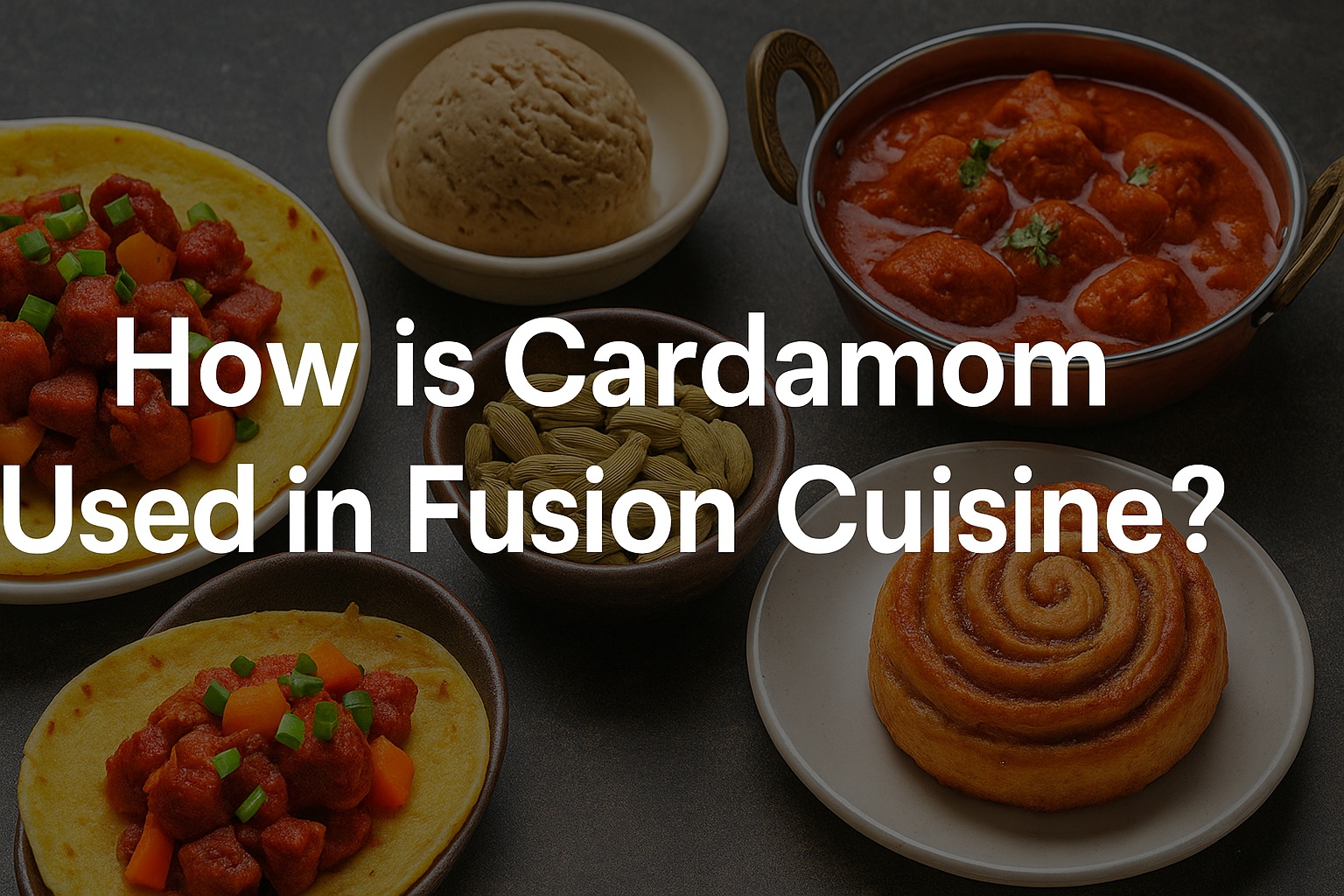
Cardamom is used in fusion cuisine to bridge global flavors and add aromatic warmth to both savory and sweet dishes. It enhances sauces, marinades, and curries by balancing spicy, sweet, and tangy elements, while also lifting the flavor of rice, breads, and pastries. Chefs incorporate cardamom into fusion desserts, cocktails, dips, and barbecue rubs, uniting ingredients from diverse culinary traditions and creating unique, harmonious recipes.
How is cardamom used to blend flavors in Asian-Latin fusion sauces?
Cardamom enhances complexity and smoothens bold contrasts in sauces that combine Asian and Latin flavor elements. It acts as a warm, balancing agent in sweet, spicy, and umami-rich sauces.
- Balancing sweet and savory in tamarind-based glazes
We use ground green cardamom to soften the sharpness of tamarind while boosting sweetness, especially in glazes for grilled meats or tofu. This technique merges Southeast Asian and Mexican flavor notes. - Harmonizing soy sauce with citrus and chili
Cardamom smooths the saltiness of soy sauce when combined with lime juice and red chili flakes. This is ideal for fusion stir-fry sauces used in dishes like yakitori tacos or teriyaki shrimp skewers. - Enhancing mole-style sauces for pan-Asian applications
When preparing fusion mole, we add a small amount of cardamom to deepen the chocolate flavor and round out garlic and spice. This is effective for dumplings or meatballs using Latin and East Asian ingredients. - Elevating citrus marinades with aromatic warmth
Cardamom complements lime and orange juice in ceviche marinades by introducing a light, floral spiciness. This creates a fusion that suits raw tuna tostadas or grilled calamari with Asian herbs. - Unifying coconut milk and chili paste in fusion curries
In curry bases blending Thai red chili paste and coconut cream with Latin spices, cardamom balances richness and spice. It stabilizes the sauce’s aromatic profile without overpowering it. - Boosting vinegar-based sauces for fried street food
A dash of cardamom in soy-lime dipping sauce for tempura-battered plantains or yuca fries adds complexity and a surprising warm finish that resonates across cultures. - Infusing slow-cooked fusion reductions
When reducing hoisin-based or adobo-style sauces, we simmer cardamom pods with star anise and allspice to achieve a layered base for ribs, noodles, or rice bowls.
How does cardamom enhance desserts in Euro-Middle Eastern fusion patisserie?
Cardamom is a prized spice in Middle Eastern sweets and fits seamlessly into French and European pastry techniques. It brings warmth, perfume, and depth to fusion desserts.
- Flavoring custards and panna cottas with floral notes
We infuse heavy cream with crushed cardamom pods to add perfume and subtle spice to panna cotta. It pairs well with orange blossom or date molasses toppings. - Pairing with pistachio and rose in fusion macarons
Cardamom works well in ganache fillings made with rosewater and crushed pistachios, enhancing both floral and nutty notes. This combination is common in Levantine-inspired macarons. - Creating hybrid baklava croissants or mille-feuille
We incorporate cardamom into the sugar syrup used for layered pastries, delivering a familiar Middle Eastern aroma to laminated French doughs. These hybrids are often filled with nuts and spiced creams. - Complementing chocolate in fusion tarts and mousse
Cardamom enhances dark chocolate by cutting bitterness and amplifying richness. In mousse or ganache tarts, this pairing is further accented with citrus zest or sea salt. - Infusing whipped creams or chantilly with spice
A light touch of ground cardamom in cream adds complexity to toppings for sponge cakes or pavlovas that use Middle Eastern fruits like figs, pomegranates, or apricots. - Filling pâte à choux with cardamom-scented pastry cream
For éclairs or cream puffs, we flavor the custard base with cardamom and orange zest. This technique blends French choux with Persian flavor influences. - Layering cardamom syrup in trifles and tiramisus
We use cardamom sugar syrup in soaked cake layers for desserts like saffron-tiramisu, aligning textures and taste with Indian and Italian sensibilities.
How is cardamom incorporated into modern Indian-Latin cocktails and mocktails?
In beverages, cardamom introduces a bright, warm aroma that complements Latin spirits and Indian spice profiles. It pairs well with tropical fruit, herbs, and citrus-based mixers.
- Muddling cardamom pods in tamarind margaritas or mezcal drinks
We lightly crush cardamom pods in cocktails to release oils that blend with smokey mezcal or tangy tamarind pulp. This adds depth and an exotic flair. - Infusing cardamom syrup for horchata, agua fresca, or mocktails
Cardamom simple syrup is simmered with sugar and water, then used to flavor non-alcoholic drinks like mango lassi agua fresca or coconut-cardamom lemonade. - Enhancing fruit-forward drinks like guava mojitos or pineapple spritzers
In guava-based cocktails, cardamom balances the sweetness and prevents cloying notes. We also add it to pineapple or passion fruit spritzers with mint or basil. - Flavoring chai-inspired espresso martinis or cold brews
We infuse coffee cocktails with cardamom and cinnamon for a spicy twist, creating an Indian-Latin espresso fusion with tequila, coffee liqueur, and cardamom syrup. - Garnishing cocktails with cardamom sugar rims or bitters
Ground cardamom is added to sugar-salt rimming mixes for fusion margaritas. Cardamom bitters are also used in Old Fashioned or negroni-style drinks with tropical accents. - Serving cardamom tonic with tamarind ice or spiced citrus peels
In mocktails, we serve tonic or soda water over tamarind ice cubes with cardamom-spiced citrus peels, creating complex, non-alcoholic alternatives with depth. - Blending with chili, cumin, or cinnamon in creative bar menus
We often combine cardamom with other spices in syrup blends that are pre-batched for bars specializing in Indian-Latin fusion cocktails.
How is cardamom used in fusion breakfast items like syrups and compound butters?
Cardamom adds richness and a subtle spiced flavor that enhances both sweet and savory breakfast items. It pairs well with maple, honey, dairy, and ghee-based components.
- Creating cardamom-infused maple syrup for crepes and waffles
We simmer whole cardamom pods in maple syrup to create a spiced version ideal for topping Scandinavian pancakes or Indian-style semolina pancakes. - Whipping cardamom compound butters with honey and citrus zest
Softened butter is mixed with ground cardamom, orange zest, and a touch of honey. This butter spreads beautifully on toast, bagels, or fusion muffins. - Folding cardamom into pancake batters or dosa fillings
Cardamom adds aroma to semolina or banana pancake batters. In savory Indian dosas, cardamom-spiced sweet potato or coconut fillings offer contrast. - Enhancing French toast or bread puddings with cardamom-milk soak
We steep milk or cream with cardamom before soaking bread for breakfast bakes. This infusion blends well with cinnamon, raisins, or nuts. - Blending cardamom with tahini or peanut butter spreads
Ground cardamom is stirred into tahini, almond, or peanut butter to add an aromatic lift. These spreads work on toast or in breakfast wraps. - Topping porridges and oat bowls with cardamom-fruit compotes
Cardamom-scented apple or mango compotes are spooned over oats, cream of wheat, or quinoa bowls. The spice balances the fruit and adds warmth. - Using cardamom yogurt as a base for breakfast parfaits
Ground cardamom is mixed into yogurt with honey and dates, forming the foundation for layered parfaits topped with granola and tropical fruit.
How does cardamom elevate vegan dishes in fusion cuisine?
Cardamom is a plant-based spice that enhances the aroma, depth, and mouthfeel of vegan dishes. It binds ingredients across cultures in a way that preserves the integrity of both.
- Flavoring lentil patties or chickpea burgers with spice and warmth
We add ground cardamom to spiced lentil or chickpea mixtures for burgers. It pairs with cumin, paprika, and parsley to give the patties complexity and fragrance. - Blending with jackfruit, tamarind, and coconut in taco or curry fillings
Jackfruit absorbs cardamom well when braised with coconut milk, tamarind paste, and chili. This mix is used for fusion tacos, wraps, or curry bowls. - Infusing vegan stews and soups with aromatic cardamom layers
We simmer cardamom with lentils, split peas, or black beans in vegan stews flavored with tomato, garlic, and lemon zest. It lifts the base without adding fat. - Pairing with roasted root vegetables in fusion tray bakes
Cardamom complements carrots, parsnips, and sweet potatoes when tossed in olive oil and lemon juice. These vegetables are often served over couscous or rice. - Adding spice to nut-based cheeses or tofu marinades
Ground cardamom enhances vegan ricotta or labneh-style spreads made from cashews or almonds. It’s also used in citrus and herb marinades for grilled tofu. - Folding into grain salads with dried fruits and fresh herbs
In couscous or quinoa salads, cardamom brings balance to cranberries, apricots, or mint. It adds aromatic lift without overshadowing savory ingredients. - Incorporating into vegan dessert fillings like coconut-date mixtures
Cardamom is essential in plant-based dessert fillings made from dates, shredded coconut, and nuts. These are used in stuffed cookies, balls, or pastries.
How is cardamom applied in global street food mashups and hybrids?
Cardamom is used to enrich modern street food fusions by adding depth to bold, handheld dishes. It brings warmth to sauces, fillings, and spice mixes used in multicultural recipes.
- Seasoning samosa tacos with layered spice blends
In Indian-Mexican mashups, we use cardamom in spiced potato or paneer fillings wrapped in taco shells. It blends well with turmeric, cumin, and chili powder, giving the tacos a rich, cross-cultural aroma. - Flavoring bao buns with lamb or chicken shawarma
We add cardamom to ground meat fillings inside steamed bao buns, combining the texture of East Asian street food with Middle Eastern spices. Cardamom complements sumac, paprika, and garlic. - Blending into sauces for fusion sliders and wraps
Cardamom enhances tahini-sriracha mayo or yogurt-cilantro sauce used in global-style sandwiches and wraps. It balances heat with a fragrant, cooling spice note. - Creating spice blends for fried fusion snacks
We use cardamom in breading mixes for street-style fusion items like yuca fries, tempura-spiced falafel, or samosa fritters. It elevates the coating with a distinctive flavor. - Mixing into chutneys or salsas for dipping
Cardamom is added to tomato-coconut chutneys or mango-habanero salsas, served with crispy finger foods. The spice smooths out tartness and brings cohesion. - Sprinkling over roasted nuts or trail mixes
For grab-and-go snacks, cardamom is roasted with nuts, puffed rice, or seeds along with chili and jaggery. This blend is common in Indian-American or Middle Eastern street-style stalls. - Infusing drinks served with street food carts
Many vendors serve small beverages with their food. Cardamom is often found in sweet lime sodas or tamarind coolers that accompany savory street dishes.
How does cardamom flavor Mediterranean-Asian fusion rice dishes?
Cardamom bridges rice dishes between Mediterranean and Asian cuisines by blending earthy, floral, and spicy notes. It fits both pilaf and curry-based dishes, adding signature fragrance.
- Pairing with saffron and olives in pilaf-style dishes
We add cardamom to rice pilafs with saffron, green olives, and toasted almonds, giving the dish a complex aroma. It harmonizes North African and Persian rice traditions with Mediterranean ingredients. - Balancing lemongrass and coconut in Thai-style biryanis
In fusion biryanis, cardamom joins lemongrass and curry leaves to complement coconut milk-based rice dishes. This blend delivers layered aromas while reducing sharp acidity. - Enhancing tomato and tamarind rice combinations
Cardamom smooths the sour profile of tamarind rice infused with Mediterranean-style herbs like oregano or mint. It helps unify spicy and tangy elements. - Supporting seafood rice dishes with citrus and herbs
We use cardamom in prawn and calamari rice blends flavored with citrus zest and dill. It helps balance the salinity of the seafood with gentle spice. - Combining with bulgur, freekeh, or red rice for texture
Fusion dishes with grains like freekeh or bulgur benefit from a cardamom boost. We use it in stuffing mixes or grain bowls featuring tahini, roasted peppers, and Asian-style dressings. - Blending into rice noodles with Mediterranean toppings
Cardamom-scented sauces are tossed with rice noodles and topped with feta, sun-dried tomato, or preserved lemon—melding Levantine and East Asian flavors. - Serving as base for fusion rice bowls or wraps
We season rice used in fusion bowls with cardamom, cinnamon, and bay leaf. It creates a base for toppings like grilled tofu, harissa eggplant, or soy-glazed meat.
How is cardamom infused into ice cream for fusion dessert creations?
Cardamom adds signature warmth and perfume to frozen desserts, especially when bridging flavors from different culinary cultures. It works well in dairy and non-dairy bases.
- Creating cardamom-black sesame swirl for Asian-Middle Eastern blends
We swirl black sesame paste and cardamom ice cream to combine toasted, nutty, and floral notes. This pairing highlights Japanese and Persian elements in a single dessert. - Blending pistachio-cardamom into gelato-style formats
In Italian-Indian hybrids, cardamom is added to pistachio gelato for extra depth and earthiness. The combination resembles kulfi but with a smoother, churned texture. - Layering coconut-cardamom kulfi with caramel or date syrup
We prepare kulfi using coconut milk and flavor it with crushed cardamom pods. Topped with caramel or dates, it bridges Indian, Caribbean, and Latin dessert styles. - Mixing into banana, fig, or mango sorbets for vegan options
Cardamom complements tropical fruits like mango, banana, and fig in non-dairy frozen desserts. It adds contrast to the sweetness while keeping the palate fresh. - Pairing with dark chocolate and cinnamon in frozen sandwiches
Ice cream flavored with cardamom and cinnamon is sandwiched between global cookie bases like alfajores or ginger snaps, enhancing warmth and spice. - Topping with rose petal syrup or tahini for layered desserts
Cardamom-flavored ice creams are drizzled with rose syrup or tahini caramel, combining Middle Eastern toppings with frozen Western bases. - Folding into kulfi popsicles for modern presentation
We use silicone molds to create popsicle versions of cardamom kulfi, sometimes dipped in dark chocolate and crushed pistachios for a gourmet finish.
How is cardamom used in fusion barbecue rubs and international marinades?
Cardamom adds warmth and depth to spice blends and marinades used in grilling traditions around the world. It balances smoke, heat, and acidity in dry and wet applications.
- Blending with sumac, paprika, and garlic in dry rubs
We combine cardamom with paprika, garlic, black pepper, and sumac in rubs for lamb, chicken, or tofu skewers. It’s ideal for Middle Eastern-American BBQ fusions. - Adding to soy-citrus marinades for fusion kebabs or ribs
Cardamom is added to liquid marinades featuring soy sauce, lime juice, and ginger. It complements the umami profile and adds depth to the meat’s crust when grilled. - Mixing with mustard seed and cumin in Indian-Caribbean blends
For jerk-spiced meats or tandoori barbecue, cardamom blends with cumin, mustard seed, and allspice to layer smoky heat with floral spice. - Infusing yogurt-based marinades for North African-Asian fusions
Cardamom enhances yogurt marinades used on lamb or vegetables, especially when paired with turmeric, harissa, or sesame oil. - Seasoning seitan, mushrooms, or tofu for vegan grilling
In plant-based BBQs, cardamom is used in spice rubs and wet marinades for grilled tofu, eggplant, or portobello mushrooms. It binds well with soy, lemon, and chili. - Glazing grilled fruits with cardamom syrup
We brush grilled pineapple, peaches, or figs with cardamom-honey glaze. This adds a sweet-spicy finish perfect for fusion BBQ desserts. - Incorporating into BBQ sauces with tamarind, ketchup, or miso
Cardamom is used in small amounts in house-made sauces blending ketchup with miso, soy, or tamarind. It subtly smooths harsh vinegar notes in tangy condiments.
How is cardamom paired with cheeses and charcuterie in cross-cultural appetizers?
Cardamom is used to flavor accompaniments that complement cheese and meat boards across cultures. It adds aromatic spice to jams, spreads, and infused cheeses.
- Preparing fig-cardamom jam for soft or aged cheeses
We cook figs with cardamom and lemon juice to create a jam served with brie, goat cheese, or aged manchego. The spice lifts the fruit’s depth and enhances cheese contrast. - Infusing labneh or yogurt cheese with cardamom and herbs
We mix ground cardamom into labneh with olive oil, mint, and chili flakes. This Middle Eastern spread works as a dip or cheese board centerpiece. - Mixing into honey or chutney for drizzling over cheeses
Cardamom-spiced honey or chutney pairs well with blue cheese, feta, or grilled halloumi. It provides balance to salty, pungent cheese profiles. - Incorporating into goat cheese balls or flavored ricotta
Cardamom is folded into fresh goat cheese or ricotta with pistachios and orange zest. These cheeses are rolled into balls and served on crackers or flatbread. - Adding to spice blends for nuts on appetizer boards
We toast almonds or cashews with cardamom, cayenne, and maple syrup. These spiced nuts accompany cheeses and cured meats on mixed platters. - Serving with charcuterie like lamb sausage or duck prosciutto
Cardamom-based fig or plum relish is served alongside charcuterie items like bresaola or merguez sausage, providing a fusion of spice and fat. - Pairing with Middle Eastern flatbreads or fusion crisps
We offer cardamom-scented crackers or za’atar lavash as vessels for cheese spreads, blending the textures and flavors of both worlds.
How is cardamom integrated into baked fusion breads and pastry items?
Cardamom adds warmth and complexity to baked goods that merge techniques and ingredients from different global traditions. It enhances texture, aroma, and cultural depth.
- Filling cardamom-stuffed brioche with tropical fruits or spiced nuts
We prepare soft brioche dough and fill it with mixtures like coconut-cardamom-date or mango-pistachio blends. This fusion of French bread with South Asian or Caribbean filling delivers a luxurious, sweet bite. - Creating naan pizza crusts infused with cardamom and herbs
Cardamom is added to naan-style dough alongside nigella seeds or cilantro. When baked as a base for toppings like feta, paneer, or za’atar-roasted vegetables, it delivers a hybrid Mediterranean-Indian flavor. - Baking Swedish cardamom buns with dulce de leche or guava glaze
We adapt the traditional Scandinavian kanelbulle using dulce de leche or guava jam as a filling or topping, blending Nordic technique with Latin sweetness. - Incorporating cardamom into sourdough or flatbread doughs
Cardamom is used in savory flatbreads such as manakish or focaccia-style loaves that include caramelized onions, olives, or curry spices. It introduces unexpected depth without sweetness. - Blending cardamom into laminated pastry layers
Cardamom powder is sifted into dough or butter layers in laminated pastries like croissants or cruffins, especially those filled with rose cream, tahini, or pistachio paste. - Making sweet and savory fusion muffins or quick breads
Cardamom is added to batters for muffins with add-ins like figs, cheese, or roasted nuts, merging Middle Eastern flavor with Western format. - Using in focaccia-style fusion bread with seeds and spices
We sprinkle cardamom along with sesame, fennel, or black cumin seeds on focaccia bread before baking. This creates a crusty, aromatic base for dips or meats.
How is cardamom used to reimagine curry dishes in multicultural cuisine?
Cardamom provides a foundation for fusing curry traditions from different regions. It blends seamlessly into sauces, broths, and gravies made with ingredients from Africa, Asia, and the Americas.
- Enhancing Thai green curry with floral spice
We add cardamom to Thai green curry paste alongside lemongrass and coriander. It provides a soft contrast to chili heat and supports the creamy base of coconut milk. - Layering flavor in Moroccan tagines with citrus and saffron
Cardamom pairs well with preserved lemon, cinnamon, and saffron in Moroccan-style tagines. It bridges the sweetness of dried fruits with the spice of harissa or ginger. - Blending into Jamaican curry sauces with turmeric and thyme
In Caribbean curry dishes, cardamom complements allspice, scotch bonnet pepper, and thyme. It mellows sharp flavors while adding exotic fragrance. - Mixing into Ethiopian berbere-based lentil stews
We use cardamom in lentil and chickpea stews combining berbere spice with tomato and garlic. This fusion curry draws from East African and Indian techniques. - Using in coconut-milk based fish or vegetable curries
Cardamom softens the edge of sour tamarind or acidic tomato in creamy coconut gravies. It’s ideal in cross-regional seafood dishes or root vegetable curries. - Folding into peanut-based West African-Indian hybrids
In dishes inspired by both West Africa and South Asia, cardamom is added to peanut curry bases with ginger, garlic, and okra or greens. - Combining with soy sauce or miso in Japanese-Indian curry
Japanese curry cubes melted into Indian-style gravies are balanced with cardamom to bridge soy sauce and ghee-based roux for cross-cultural comfort food.
How is cardamom blended into fusion dips, hummus, and condiment recipes?
Cardamom is used in small quantities to elevate condiments and dips that combine traditional and global flavors. It works well with both creamy and fruit-based bases.
- Flavoring hummus with roasted carrot and cardamom
We blend roasted carrots and chickpeas with tahini, cardamom, lemon juice, and garlic to make a smooth, aromatic dip perfect for flatbreads or vegetable platters. - Infusing yogurt-based dips like raita with herbs and spice
Ground cardamom is added to yogurt with mint, cucumber, and cumin to create a cooling dip that works well with both curries and Mediterranean grilled dishes. - Making mango-cardamom chutney for grilled meats or rice
Fresh mango is cooked with cardamom, vinegar, and chili into a thick, spicy chutney served with lamb, paneer, or grain bowls. - Creating aiolis or mayonnaise with cardamom and lemon
Cardamom is whisked into mayonnaise with garlic and citrus zest to form a creamy sauce ideal for sandwiches, falafel wraps, or fried appetizers. - Building date or tamarind sauces with cardamom for street snacks
Sweet-and-sour chutneys using dates or tamarind paste are enhanced with a small amount of cardamom, ideal for samosas or spring rolls. - Mixing into labneh or cream cheese spreads
Labneh is combined with ground cardamom, orange zest, and chili flakes for a spiced dip served with crackers or pita chips. - Drizzling cardamom syrup over roasted vegetables or halloumi
We finish roasted vegetables or cheeses with a light cardamom-honey drizzle to add sweet-spiced contrast in fusion mezze spreads.
How does cardamom influence flavor in African-Asian fusion stews?
Cardamom acts as a flavor anchor in fusion stews where spice-heavy profiles are balanced with earthy or creamy ingredients. It plays well with both African and Asian staples.
- Blending with ginger, garlic, and lemongrass in coconut stews
In Thai-Ethiopian fusion stews, cardamom complements coconut milk, garlic, and ginger. It’s used in dishes with lentils, yam, or squash for aromatic layering. - Balancing heat in peanut-based African curries
We incorporate cardamom into peanut stews flavored with chili, onions, and tomato paste. It tones down spice while enhancing nuttiness. - Combining with berbere and tamarind in tomato broths
Cardamom smooths the acidity of tamarind and tomato in East African-Indian curries. It’s ideal in chickpea or eggplant stews. - Enhancing turmeric and cinnamon-based spice blends
In fusion stews with turmeric and cinnamon, cardamom provides balance, especially in meat or lentil dishes with sour components like lemon or pickled vegetables. - Pairing with okra, eggplant, and greens in vegetable-rich dishes
Cardamom helps unify the texture and taste of stews packed with okra, eggplant, collard greens, or amaranth, making them taste cohesive despite diverse ingredients. - Adding complexity to soy-based or fermented broths
We use cardamom in broths that include fermented products like miso or soy sauce to mellow the salt and enhance depth. - Stewing with lamb or goat in long-simmered dishes
Cardamom pairs well with slow-cooked meats common in North African and Indian stews, especially when finished with raisins or dried apricots.
How is cardamom used in pastry crusts for globally inspired tarts and pies?
Cardamom can be worked into the dough of crusts or used in fillings for sweet and savory pastries. It adds fragrance and a subtle spice layer to fusion baked goods.
- Blending cardamom into shortcrust pastry for fruit tarts
Ground cardamom is added to flour, butter, and sugar in tart crusts, pairing well with tropical fruits like guava, mango, or fig. - Layering in hand pies with nuts, dates, or citrus curd
We fill cardamom-scented pastry dough with almond-date paste or citrus curd, baking them as mini hand pies that reflect both Middle Eastern and European techniques. - Incorporating into savory galette crusts with herbs
Cardamom works in savory galettes featuring toppings like spiced squash, feta, or labneh. It pairs well with thyme or oregano in crust mixes. - Infusing laminated doughs for strudels or turnovers
Cardamom is added between pastry layers with cinnamon or cocoa in turnovers or strudels, giving depth to apple or nut fillings. - Topping pie crusts with cardamom sugar crusts
We dust pie tops with a cardamom-sugar blend before baking to form a sweet, spiced crust that complements apple, pear, or cherry fillings. - Folding into gluten-free crust alternatives using oats or nuts
Cardamom adds complexity to gluten-free crusts made with almond flour, oats, or coconut oil, helping replicate the warmth of wheat-based pastries.
Fusion Cuisine: Where Cardamom Shines Beyond Borders
Cardamom has become a hero spice in fusion cooking—appearing in everything from matcha-cardamom lattes to tamari-glazed tofu with cardamom chili oil. For bold, earthy base notes, buy Madagascar cardamom for savory fusion dishes—its complexity works beautifully with international flavor profiles.
For subtle dessert fusions, order white cardamom pods online for baking to deliver fragrant depth without overpowering lighter ingredients like coconut, almond, or lemon.
Conclusion
Cardamom is one of the most adaptable spices in fusion cuisine. From sauces and stews to ice cream and pastry crusts, it links cultures with its warm, floral flavor. At ABIE Cardamon, we supply top-grade cardamom to meet the needs of culinary innovators and home chefs alike. Our discreet, fast worldwide shipping, satisfaction guarantee, and 30-day refund policy make us the most trusted source for quality cardamom online. Whether you’re layering global flavors or reimagining tradition, we make sure you have the finest spice to elevate your fusion dishes.
Let ABIE Cardamon bring the world’s flavors together—one pod at a time.
Push the Boundaries of Culinary Creativity with Cardamom
Fusion cuisine is where tradition meets innovation, and cardamom thrives in that intersection. As a spice with a complex flavor profile, it’s an ideal candidate for experimentation. A great resource for pastry lovers is How do I use cardamom in Middle Eastern desserts?, where cardamom brings authenticity and boldness to treats like ma’amoul and baklava.
For those interested in how sweets evolve with fusion, Does cardamom improve the flavor of chocolate? offers fascinating insights into how spice and cacao balance bitterness and warmth in sophisticated confections.
On the savory side, cardamom adapts to global trends through smart meal planning and spice layering. Learn more in How is cardamom used in baking mixes?, where East-meets-West ideas like cardamom cornbread or spiced banana loaves come to life.
Cardamom isn’t just a spice—it’s a storytelling ingredient in fusion cooking.