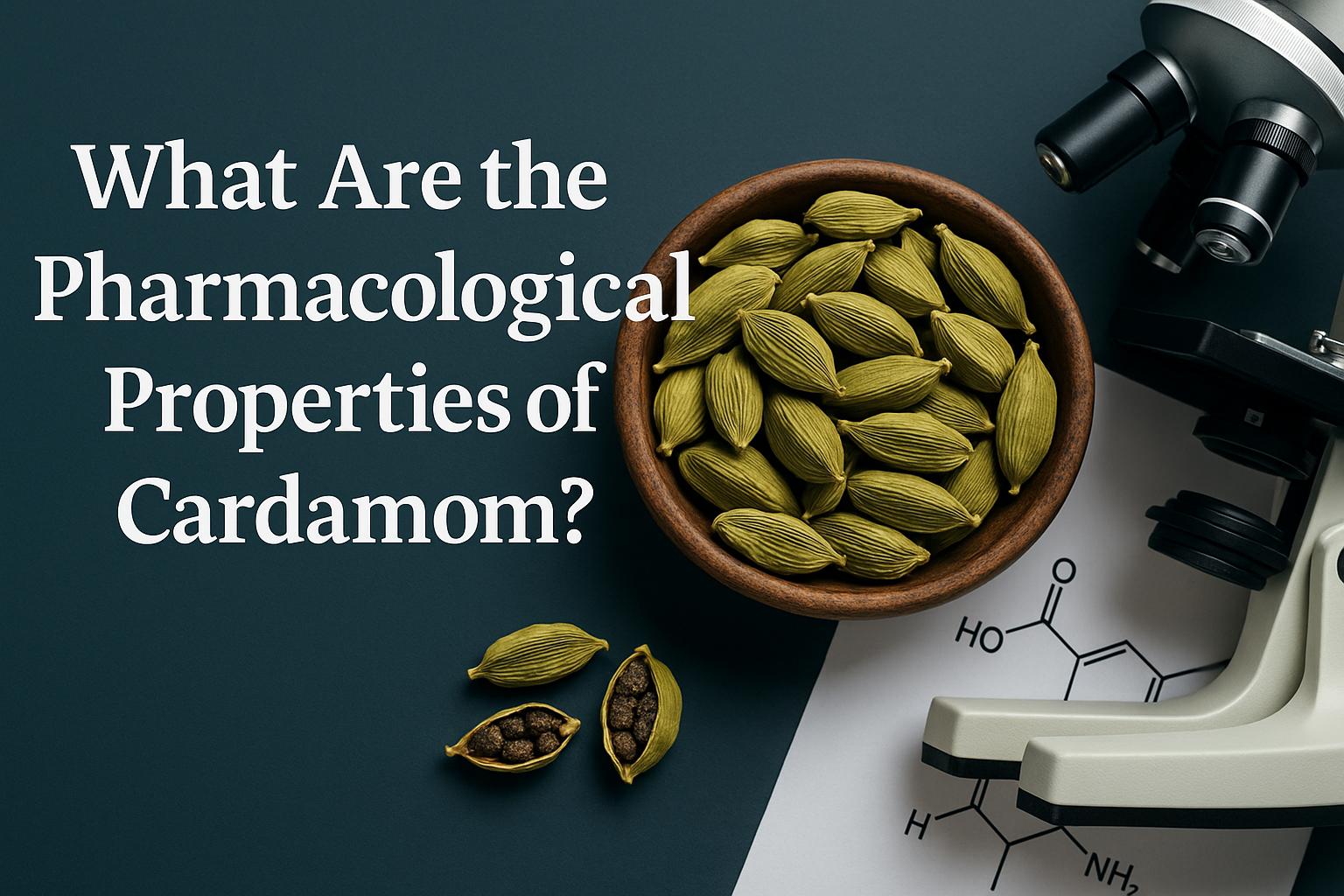
What are the pharmacological properties of cardamom?
Cardamom has diverse pharmacological properties supported by scientific research. It acts as a natural anti-inflammatory, antioxidant, and antimicrobial agent, while also providing cardiovascular, neuroprotective, and anti-diabetic benefits. Cardamom supports respiratory function, protects the liver and stomach, relieves pain and muscle spasms, balances immune responses, and improves mood. Its compounds regulate blood pressure, lower cholesterol, stabilize blood sugar, enhance memory, and reduce anxiety. These effects are linked to bioactive compounds like cineole, flavonoids, and terpenes that target multiple pathways in the body, making cardamom a powerful, multifunctional plant-based remedy.
What anti-inflammatory properties does cardamom possess and how do they work?
Cardamom shows powerful anti-inflammatory effects through several well-documented biological mechanisms:
- Inhibition of Pro-inflammatory Enzymes
Cardamom compounds suppress key enzymes like cyclooxygenase-2 (COX-2) and inducible nitric oxide synthase (iNOS), which are responsible for producing prostaglandins and nitric oxide that drive inflammation. - Suppression of Inflammatory Cytokines
Research shows that cardamom extract significantly reduces levels of cytokines such as tumor necrosis factor-alpha (TNF-α), interleukin-6 (IL-6), and interleukin-1β (IL-1β). These cytokines are central to chronic inflammation, especially in arthritis and metabolic diseases. - Downregulation of NF-κB Pathway
Cardamom targets nuclear factor-kappa B (NF-κB), a transcription factor that controls inflammatory gene expression. By inhibiting this pathway, cardamom helps reduce inflammation at the cellular level. - Reduction of Edema and Swelling
In vivo studies using carrageenan-induced paw edema models in rats confirmed that cardamom significantly reduces swelling, demonstrating its anti-inflammatory action in live organisms. - Synergistic Effects with Other Phytochemicals
When cardamom is used with turmeric, ginger, or black pepper, its anti-inflammatory effect is enhanced due to synergistic activity among their bioactive compounds, such as curcumin and piperine. - Application in Respiratory Inflammation
Cardamom’s anti-inflammatory role extends to the respiratory tract by reducing bronchial inflammation, making it useful in asthma and allergic rhinitis.
How does cardamom act as a natural antioxidant in the human body?
Cardamom is a rich source of natural antioxidants that protect cells from oxidative stress and delay disease progression:
- High Polyphenol and Flavonoid Content
Cardamom contains flavonoids like quercetin and kaempferol, and polyphenols such as gallic acid. These compounds scavenge free radicals (ROS), preventing damage to DNA, lipids, and proteins. - Enhancement of Antioxidant Enzymes
Animal studies show cardamom increases the activity of antioxidant enzymes like superoxide dismutase (SOD), catalase, and glutathione peroxidase, improving the body’s ability to neutralize oxidative stress. - Reduction in Lipid Peroxidation
Cardamom significantly lowers levels of malondialdehyde (MDA), a marker of lipid peroxidation. This is crucial for protecting cell membranes and preventing cardiovascular complications. - Protection of Organs Against Oxidative Damage
Studies confirm cardamom’s protective role in vital organs such as the liver, kidneys, and brain by preventing damage from reactive oxygen species (ROS) caused by toxins, drugs, or aging. - Slowing of Age-Related Degeneration
Through its antioxidant mechanisms, cardamom reduces oxidative DNA damage and supports cellular repair, which may help slow the aging process in tissues. - Support in Chronic Diseases
Antioxidant activity from cardamom has been shown to reduce complications in diseases like diabetes, hypertension, and neurodegeneration, where oxidative stress is a major driver of damage.
What antimicrobial effects does cardamom have against bacteria and fungi?
Cardamom demonstrates strong antimicrobial activity due to its essential oil composition and chemical constituents:
- Disruption of Bacterial Cell Membranes
Essential oils in cardamom, including 1,8-cineole and α-terpineol, insert themselves into bacterial membranes, increasing permeability and leading to cell rupture and death. - Inhibition of Gram-Positive and Gram-Negative Bacteria
Cardamom is effective against a wide range of bacteria, including Staphylococcus aureus, Escherichia coli, Salmonella typhimurium, and Bacillus subtilis. These are common pathogens in foodborne and skin infections. - Anti-fungal Properties Against Candida Species
Cardamom oil inhibits the growth of fungi such as Candida albicans by interfering with fungal cell wall synthesis. This offers potential for treating oral thrush and skin fungal infections. - Synergistic Effects with Antibiotics
In lab tests, combining cardamom oil with conventional antibiotics like ciprofloxacin has enhanced antimicrobial activity, suggesting cardamom can reduce the required dosage of standard drugs. - Food Preservation Applications
Due to its antimicrobial effects, cardamom is used as a natural preservative in food systems to reduce microbial spoilage without synthetic chemicals. - Mechanism Involving Efflux Pump Inhibition
Some studies indicate cardamom’s phytochemicals may inhibit microbial efflux pumps, helping overcome bacterial resistance by increasing drug retention within microbial cells.
Can cardamom extracts offer protection against cancer, and through what mechanisms?
Scientific evidence supports cardamom’s role in cancer prevention and inhibition through several key pathways:
- Induction of Apoptosis in Cancer Cells
Cardamom induces programmed cell death (apoptosis) in various cancer cell lines including colon, breast, and prostate by activating caspase enzymes and mitochondrial pathways. - Inhibition of Cell Proliferation
Cardamom slows down the multiplication of cancer cells by blocking the cell cycle in G0/G1 and G2/M phases, disrupting the rapid division that characterizes tumors. - Anti-angiogenic Effects
Cardamom reduces the formation of new blood vessels (angiogenesis) that tumors need to grow. This is done by suppressing VEGF (vascular endothelial growth factor) expression in tumors. - Protection Against DNA Damage
The antioxidant components of cardamom prevent DNA mutations by reducing oxidative damage, especially in tissues exposed to carcinogens like benzo[a]pyrene. - Modulation of Detoxification Enzymes
Cardamom activates phase II detox enzymes like glutathione-S-transferase (GST), which help neutralize and excrete carcinogens from the body. - Animal Studies Showing Tumor Suppression
In mice models, oral cardamom extract significantly reduced skin papilloma incidence and delayed tumor onset, providing strong preclinical support for its anti-cancer potential.
What are the cardiovascular benefits of cardamom and how are they pharmacologically mediated?
Cardamom supports heart health through multiple pharmacological mechanisms, as shown in clinical and preclinical studies:
- Blood Pressure Regulation
In hypertensive patients, daily consumption of cardamom lowered systolic and diastolic blood pressure significantly within 12 weeks. This is attributed to its diuretic effect and high potassium content. - Improved Endothelial Function
Cardamom enhances nitric oxide synthesis, leading to vasodilation and improved blood vessel flexibility, reducing the risk of arterial stiffness and hypertension. - Reduction in LDL and Total Cholesterol
Cardamom has been shown to lower total cholesterol and low-density lipoprotein (LDL) levels while improving high-density lipoprotein (HDL), which helps prevent atherosclerosis. - Anti-thrombotic Effects
Cardamom inhibits platelet aggregation and enhances fibrinolysis, reducing the risk of clot formation that leads to heart attacks or strokes. - Antioxidant Protection of Cardiac Tissue
Cardamom’s flavonoids protect heart muscle cells from oxidative damage, particularly during ischemia or exposure to toxins. - Anti-arrhythmic Action in Animal Models
Cardamom extract stabilized irregular heart rhythms in preclinical studies by regulating ion channels that control heartbeat, though human studies are still pending. - Prevention of Myocardial Hypertrophy
By lowering oxidative stress and improving hemodynamics, cardamom reduces strain on the heart muscle, especially in high-blood-pressure conditions.
How does cardamom regulate blood sugar and support anti-diabetic activity?
Cardamom shows promising anti-diabetic potential by improving glucose metabolism and protecting pancreatic function:
- Improves Insulin Sensitivity
Cardamom enhances the body’s responsiveness to insulin by reducing insulin resistance. Studies on diabetic rats showed decreased fasting glucose and improved insulin signaling in muscle tissues after cardamom extract administration. - Lowers Fasting Blood Sugar and HbA1c
In clinical and animal trials, cardamom supplementation led to significantly reduced fasting blood glucose and glycated hemoglobin (HbA1c), which indicates better long-term glucose control. - Protects Pancreatic Beta Cells
Oxidative stress damages insulin-producing beta cells. Cardamom’s antioxidant profile shields these cells, preserving insulin secretion even under diabetic stress conditions. - Reduces Postprandial Glucose Spikes
Cardamom slows carbohydrate digestion and glucose absorption in the intestine, helping to moderate post-meal blood sugar spikes, which are critical in managing type 2 diabetes. - Regulates Adipokines and Inflammatory Markers
Cardamom reduces circulating levels of inflammatory molecules such as TNF-α and CRP, while improving adiponectin levels, all of which are crucial in maintaining insulin balance. - Inhibits Alpha-Amylase and Alpha-Glucosidase Enzymes
In vitro studies demonstrate that cardamom can inhibit carbohydrate-digesting enzymes, a mechanism similar to that of diabetic medications like acarbose, supporting glucose control.
What neuroprotective effects does cardamom offer in cognitive and neurodegenerative conditions?
Cardamom offers multiple protective benefits for the brain, particularly in aging and neurodegenerative diseases:
- Reduces Neuroinflammation
Cardamom reduces neuroinflammation by lowering levels of pro-inflammatory cytokines like IL-1β and TNF-α in brain tissues. This slows neuron damage and supports long-term brain health. - Inhibits Acetylcholinesterase Enzyme
Cardamom suppresses the enzyme acetylcholinesterase, which breaks down acetylcholine—a neurotransmitter vital for memory and cognition. This mechanism is similar to drugs used in treating Alzheimer’s disease. - Protects Against Oxidative Stress in the Brain
The brain is highly sensitive to free radical damage. Cardamom’s antioxidant compounds scavenge reactive oxygen species and protect neuronal membranes and mitochondrial function. - Improves Learning and Memory in Animal Models
Rodent studies showed enhanced maze navigation, memory retention, and learning ability after treatment with cardamom extract, suggesting cognitive enhancement properties. - Modulates Neurotransmitter Levels
Cardamom influences dopamine and serotonin levels in the brain, which regulate mood, memory, and sleep cycles. This helps reduce the cognitive and emotional symptoms seen in neurodegeneration. - Reduces Amyloid Plaque Formation
Early lab studies show that cardamom compounds may interfere with amyloid-beta aggregation, a hallmark of Alzheimer’s disease, though more human trials are needed to confirm this.
How does cardamom support respiratory function and act as a bronchodilator?
Cardamom is widely used in traditional and clinical settings for respiratory support due to its bronchodilatory and anti-inflammatory effects:
- Relaxes Bronchial Smooth Muscle
Cineole, a major component of cardamom oil, acts on airway smooth muscle to relieve bronchoconstriction. This mimics the action of common bronchodilators used in asthma treatment. - Clears Airway Mucus
Cardamom has expectorant properties that help loosen and expel mucus from the respiratory tract, providing relief in cases of cough, bronchitis, and sinus congestion. - Reduces Inflammatory Markers in Lung Tissue
Animal models of asthma treated with cardamom extract showed reduced eosinophil count and lowered IL-4 levels in lung tissue, both markers of allergic inflammation. - Antimicrobial Action Against Respiratory Pathogens
Cardamom’s essential oils are effective against Streptococcus pneumoniae and Haemophilus influenzae, bacteria commonly associated with upper respiratory infections. - Improves Oxygen Saturation
Cardamom helps open airways and improve airflow, which in turn supports better oxygen exchange and respiratory efficiency, especially useful in people with mild COPD or seasonal allergies. - Synergistic Use in Steam Inhalation and Herbal Teas
Cardamom oil or crushed seeds are used in steam therapy and warm infusions to relieve congestion and promote deep breathing through natural vaporized compounds.
What is the role of cardamom in gastrointestinal protection and anti-ulcer activity?
Cardamom plays a protective role in digestive health and has been shown to combat ulcers and gastrointestinal discomfort:
- Inhibits Gastric Acid Secretion
Cardamom reduces stomach acid levels by suppressing histamine activity and proton pump function, thereby protecting the gastric lining from acid-induced erosion. - Increases Protective Mucus Production
It stimulates mucus secretion in the stomach, forming a protective barrier over the gastric mucosa, which prevents the formation of peptic ulcers and supports healing. - Fights Helicobacter pylori Bacteria
Cardamom inhibits the growth of H. pylori, a major cause of ulcers and gastric cancer, by disrupting bacterial cell walls and impeding their survival in acidic environments. - Reduces Inflammatory Cytokines in Gut Tissue
By downregulating IL-6 and TNF-α in intestinal tissues, cardamom reduces inflammation that can contribute to gastritis, irritable bowel syndrome (IBS), and colitis. - Eases Intestinal Gas and Bloating
Cardamom contains volatile oils that reduce gas formation and relieve bloating by relaxing intestinal muscles and enhancing digestive enzyme secretion. - Promotes Bile Flow and Fat Digestion
Cardamom enhances bile production from the liver, which supports fat breakdown and nutrient absorption, making it beneficial after heavy meals.
Does cardamom exhibit hepatoprotective effects and how does it influence liver enzymes?
Cardamom provides notable protection for liver health through antioxidant, detoxifying, and enzyme-regulating actions:
- Reduces Liver Enzymes (ALT, AST, ALP)
Elevated levels of ALT and AST indicate liver damage. Cardamom extract has been shown to normalize these enzymes in animal models exposed to toxic substances like paracetamol and ethanol. - Prevents Fat Accumulation in the Liver
Cardamom lowers hepatic triglycerides and prevents fatty liver development, especially in models of diet-induced obesity and non-alcoholic fatty liver disease (NAFLD). - Supports Liver Detoxification Pathways
Cardamom enhances the activity of phase I and phase II detox enzymes, including cytochrome P450 and glutathione-S-transferase, improving the liver’s ability to eliminate harmful compounds. - Improves Liver Histology
Microscopic examinations of liver tissue from treated subjects show fewer signs of fibrosis, necrosis, and inflammation, confirming its tissue-protective effects. - Combats Oxidative Damage from Toxins
Cardamom’s antioxidants protect the liver from damage caused by free radicals and reactive metabolites, especially after exposure to drugs or alcohol. - Reduces Inflammatory Markers in Liver Tissue
Cardamom reduces hepatic expression of TNF-α and NF-κB, two key players in liver inflammation and progression to cirrhosis or hepatitis.
What pharmacological pathways contribute to cardamom’s pain-relieving (analgesic) effects?
Cardamom has shown analgesic effects through multiple biological pathways that influence how the body perceives and responds to pain:
- Inhibition of Prostaglandin Synthesis
Cardamom suppresses the synthesis of prostaglandins—chemicals that cause inflammation and pain—by inhibiting cyclooxygenase enzymes (COX-1 and COX-2), much like NSAIDs do. - Modulation of Opioid Receptors
Animal studies indicate that cardamom extract activates endogenous opioid receptors, which are part of the body’s natural pain-relieving system. This mimics the action of mild analgesic drugs. - Reduction of Pain in Hot Plate and Writhing Tests
In standard pain models like the hot plate and acetic acid writhing tests, cardamom extract significantly increased the pain threshold and reduced the number of writhes in mice, indicating central and peripheral pain inhibition. - Antioxidant Support for Nerve Health
Oxidative damage to nerves can amplify pain perception. Cardamom’s antioxidant activity helps preserve nerve cell integrity, reducing chronic and neuropathic pain. - Inhibition of Nociceptive Signaling
Cardamom interferes with TRPV1 and other pain-signaling channels, which reduces the transmission of painful stimuli from peripheral nerves to the brain. - Spasmolytic and Muscle-Relaxing Properties
Cardamom helps relieve pain from muscular spasms, stomach cramps, and menstrual discomfort by relaxing smooth muscles in the gastrointestinal and reproductive systems.
Can cardamom improve mood or reduce anxiety, and what are its antidepressant properties?
Cardamom has mood-regulating effects that support its use in reducing anxiety and mild depression through neurochemical modulation:
- Increases Serotonin and Dopamine Levels
Cardamom influences neurotransmitters like serotonin and dopamine, which regulate mood and emotional well-being. This is similar to how many antidepressant drugs function. - Reduces Behavioral Signs of Anxiety in Animal Studies
Rodents treated with cardamom extract exhibited less anxiety in elevated plus maze and light-dark box tests, indicating anxiolytic effects comparable to diazepam at lower doses. - Supports Brain Antioxidant Defense
Oxidative stress is linked to mood disorders. Cardamom’s antioxidant protection of brain cells reduces this burden and supports balanced neurological function. - Downregulates Stress Hormones
Cardamom extract reduces levels of cortisol and other stress-induced hormones, stabilizing the hypothalamic-pituitary-adrenal (HPA) axis and contributing to emotional resilience. - Protects Against Neuroinflammation Linked to Depression
Inflammatory cytokines like IL-1β are elevated in depression. Cardamom reduces their expression, helping to restore mood-regulating chemical balance. - Safe Adjunct to Antidepressants
Cardamom has shown potential as a complementary therapy in mood disorders without the side effects associated with standard pharmacological antidepressants.
How does cardamom affect metabolic syndrome and influence lipid profiles?
Cardamom contributes to reversing key elements of metabolic syndrome, which includes obesity, high blood pressure, and abnormal lipid levels:
- Lowers LDL Cholesterol and Triglycerides
Regular intake of cardamom has been shown to reduce low-density lipoprotein (LDL) and triglycerides while increasing high-density lipoprotein (HDL), improving cardiovascular risk profile. - Improves Insulin Sensitivity
Cardamom supports better glucose uptake in tissues and reduces insulin resistance, two major factors in the development of metabolic syndrome. - Reduces Abdominal Fat Accumulation
Animal studies show cardamom limits visceral fat storage and reduces waist circumference, which are primary indicators of metabolic imbalance. - Lowers Blood Pressure in Overweight Subjects
Cardamom’s diuretic effect, combined with vasodilation from nitric oxide enhancement, leads to reduced blood pressure in obese and prehypertensive individuals. - Modulates Adiponectin and Leptin
These hormones control fat metabolism and appetite. Cardamom increases adiponectin (anti-inflammatory) and reduces leptin resistance, helping to regulate energy balance. - Improves Liver Enzymes and Reduces Fatty Liver Indicators
As part of metabolic syndrome, liver fat content increases. Cardamom helps reduce hepatic fat deposits and normalize ALT, AST enzyme levels.
What are the immunomodulatory effects of cardamom on cytokine response?
Cardamom influences the immune system by regulating both pro- and anti-inflammatory cytokines, making it a key natural immunomodulator:
- Suppresses Pro-inflammatory Cytokines
Cardamom reduces levels of TNF-α, IL-6, and IL-1β, which are commonly elevated in chronic inflammation, autoimmune diseases, and infections. - Increases Anti-inflammatory Cytokines
It boosts the expression of IL-10, an anti-inflammatory cytokine that prevents tissue damage during immune responses and supports healing. - Enhances Activity of Natural Killer (NK) Cells
NK cells play a critical role in eliminating virus-infected and cancerous cells. Cardamom boosts their activity and promotes immune surveillance. - Improves Macrophage Function
Macrophages help clear pathogens and cellular debris. Cardamom enhances their phagocytic activity, supporting efficient immune defense. - Balances Th1/Th2 Responses
A balanced T-helper cell (Th1/Th2) response is essential in preventing allergic and autoimmune conditions. Cardamom helps maintain this immune balance. - Reduces Autoimmune Triggers
In preclinical models, cardamom reduced markers of autoimmune response, showing promise in managing conditions like rheumatoid arthritis and lupus.
Does cardamom act as an antispasmodic agent on smooth muscles, and what is the mechanism involved?
Cardamom demonstrates strong antispasmodic activity by acting on smooth muscles of the gastrointestinal and reproductive systems:
- Blocks Calcium Influx in Smooth Muscles
Cardamom interferes with calcium channels, reducing calcium-dependent contractions in smooth muscle fibers, particularly in the intestines and uterus. - Relieves Abdominal and Menstrual Cramps
Traditional use of cardamom for menstrual pain is supported by studies showing it reduces uterine contractions, offering a natural remedy for dysmenorrhea. - Reduces Intestinal Spasms and Cramping
In vitro tests on isolated rabbit and guinea pig intestine showed that cardamom extract significantly relaxed spontaneous and induced contractions. - Improves Bowel Regularity in IBS
By reducing intestinal hyperactivity and calming spasms, cardamom can relieve symptoms of irritable bowel syndrome (IBS) such as diarrhea, pain, and bloating. - Modulates Acetylcholine-Induced Contractions
Cardamom decreases acetylcholine-mediated spasms, which is similar to the action of pharmaceutical antispasmodics used for gastrointestinal disorders. - Supports Digestive Comfort After Meals
The antispasmodic and carminative properties of cardamom make it effective in relieving post-meal discomfort, gas, and stomach tightness.
Pharmacological Benefits of Cardamom: Beyond the Kitchen
Cardamom has antispasmodic, anti-inflammatory, antimicrobial, and antioxidant properties. It supports digestive, respiratory, and circulatory systems. For concentrated therapeutic use, buy black cardamom for medicinal spice blends.
To prepare holistic formulations or adaptogenic capsules, order green cardamom for natural remedy production.
Conclusion
Cardamom offers a wide array of pharmacological properties backed by modern scientific research. From anti-inflammatory and antioxidant actions to its benefits in metabolic health, neurological protection, respiratory support, and immune modulation, cardamom proves to be a multifunctional botanical with applications in preventive and therapeutic healthcare.
We at ABIE Cardamon provide the highest quality cardamom for sale worldwide. Our cardamom is trusted by health professionals and herbal researchers alike. We guarantee overnight delivery within the USA and Canada, 5–7 day international delivery, discreet packaging, a 30-day replacement or full refund policy, and 24/7 customer satisfaction support.
If you’re looking to incorporate scientifically validated cardamom into your wellness products or diet, ABIE Cardamon is your most reliable source.
Cardamom’s Medicinal Profile: Pharmacological Benefits Explored
Cardamom offers antioxidant, anti-inflammatory, antimicrobial, and digestive-support properties. It’s studied for its role in liver detox, blood pressure regulation, and even potential anticancer effects. For liver support insights, see How does cardamom support liver detox?.
For its impact on energy and metabolism, explore Does cardamom help support metabolism?—critical for herbal supplement formulations.
To explore encapsulated medicinal use, read Do pharma companies use cardamom in capsules?. These posts present cardamom as a scientific and therapeutic powerhouse.