What types of spice pastes include cardamom?
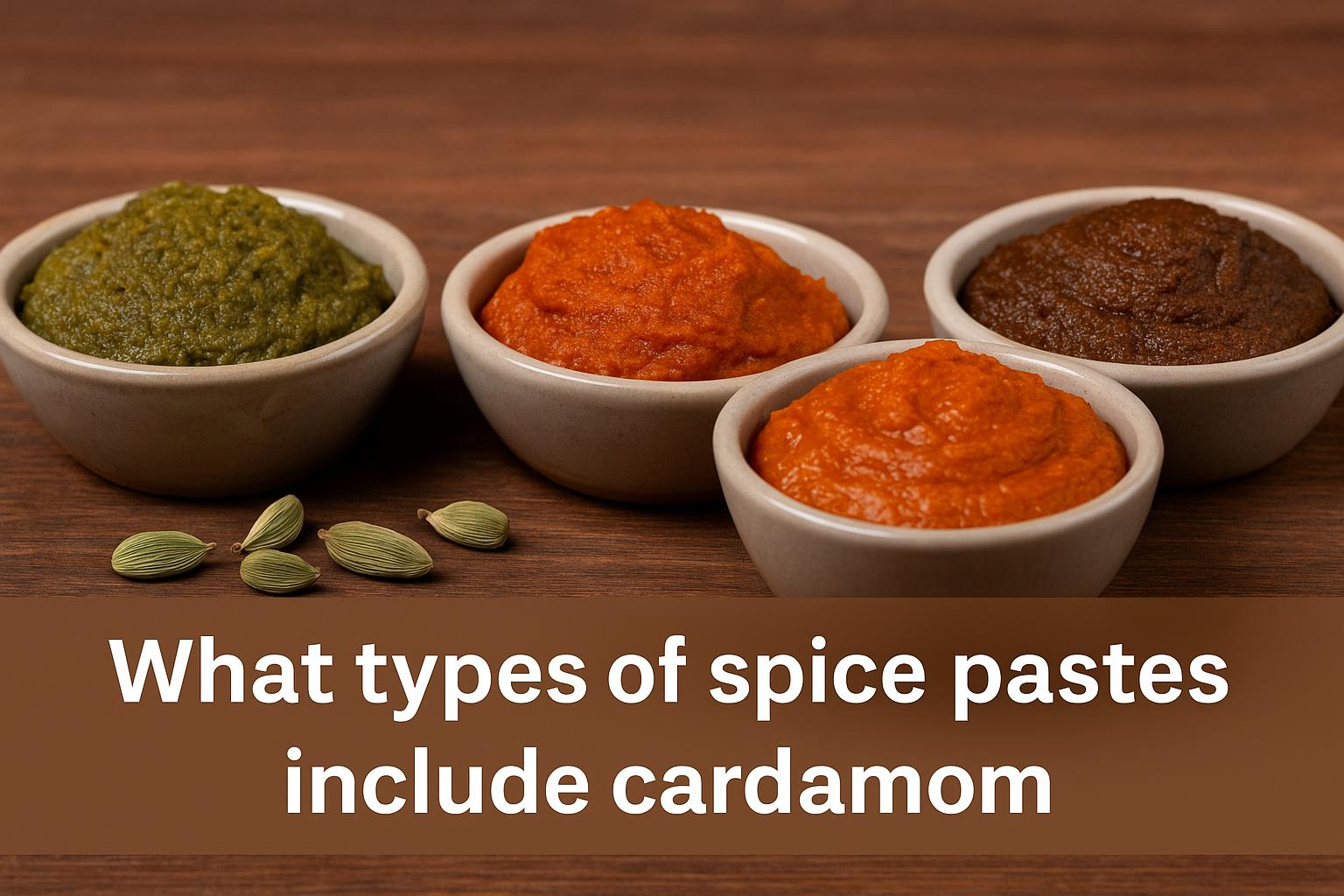
Cardamom is included in a wide range of traditional and fusion spice pastes across global cuisines. Common examples include Indian garam masala, butter chicken, korma, and biryani pastes; Sri Lankan and Mughlai curry pastes; Persian advieh; Middle Eastern baharat; North African ras el hanout; Yemeni hawaij; and Indonesian rendang pastes. It also appears in some Thai green curry adaptations and modern fusion pastes for grilled meats, vegan curries, or herb-based sauces. Green cardamom adds floral sweetness, while black cardamom provides smoky depth, making it essential in both savory and aromatic applications.
What is garam masala paste and why does it often include cardamom?
Garam masala paste is a foundational spice mix in Indian cuisine. It combines aromatic spices in a blended or ground form, often made into a paste with oil, vinegar, or water. Cardamom plays a central role in shaping its signature fragrance.
- Cardamom provides a sweet, floral balance: Green cardamom adds light, refreshing notes that balance the heat from black pepper and pungency from cloves, making the paste more rounded and layered in taste.
- Used in both vegetarian and meat dishes: Garam masala paste is versatile and used in dishes like chickpea curry, lamb vindaloo, and paneer butter masala. Cardamom enhances both creamy and tomato-based sauces.
- Green and black cardamom serve different roles: Green cardamom is used for brightness, while black cardamom adds smokiness and boldness, especially in northern regional variants.
- Supports better digestion in complex meals: Cardamom has carminative properties. In rich gravies where garam masala paste is used, it helps balance heaviness, promoting better digestion.
- Often freshly ground for higher potency: Whole cardamom pods are sometimes roasted and ground fresh before being added to the paste, which amplifies their aromatic impact.
- Blends well with common spices in the paste: Cardamom complements spices like cumin, coriander, fennel, and cinnamon—making it essential for the synergistic effect of garam masala.
- Forms a base in marinades: When garam masala is turned into a paste with garlic, ginger, and oil, cardamom allows the marinade to permeate the protein with both depth and brightness.
What types of curry pastes in Indian cuisine include cardamom?
Several Indian curry pastes prominently feature cardamom for its unique flavor-enhancing properties. It is especially common in North Indian and Mughlai cooking traditions.
- Korma pastes include green cardamom for sweetness: Korma is a yogurt or cream-based curry paste. Green cardamom adds a subtle fragrance that blends with nut pastes like cashew or almond.
- Tikka masala uses cardamom to enhance tomato base: While the main flavors are tomato and cream, cardamom refines the blend by softening acidity and enriching the spice complexity.
- Butter chicken paste benefits from cardamom’s aroma: Butter chicken paste includes garam masala, in which cardamom is often present. It supports the creamy, buttery flavor and balances chili heat.
- Rogan josh paste includes black cardamom for smokiness: Black cardamom is typically used in lamb-based dishes like rogan josh. It deepens the flavor and adds a robust layer to the paste.
- Biryani pastes rely on cardamom for aromatic layering: Whether Hyderabadi or Lucknowi, biryani masala pastes use cardamom with mace, cloves, and cinnamon to create the characteristic rice fragrance.
- Malai curry pastes use cardamom with dairy fats: In cream- or milk-based curry pastes, such as malai kofta or navratan korma, cardamom stabilizes richness and lifts the overall profile.
- Cardamom appears in both ready-made and homemade pastes: Commercially packaged curry pastes often list cardamom in the ingredients, and home recipes include it based on tradition and preference.
How is cardamom used in Thai green curry paste?
While not a traditional staple in all Thai green curry pastes, cardamom appears in some variations, especially in modern and fusion recipes.
- Rare in classic recipes but common in adaptations: Traditional Thai green curry paste emphasizes lemongrass, kaffir lime, and green chili. Cardamom is added more frequently in fusion versions for complexity.
- Green cardamom pairs well with coconut milk: The rich creaminess of coconut milk in Thai green curry benefits from cardamom’s floral sweetness, enhancing both texture and aroma.
- Complements sweet basil and ginger flavors: Cardamom acts as a bridge between herbal elements like Thai basil and root spices such as ginger or galangal, making the paste smoother and more balanced.
- Used in vegetarian Thai curry variations: Green cardamom is sometimes added when replacing fish sauce with tamari or other plant-based umami sources, giving added depth to the paste.
- Employed in upscale or restaurant-grade curry pastes: High-end chefs use cardamom in Thai curry pastes to add signature flair, especially in pan-Asian menus where flavor layering is prioritized.
- Green cardamom pods may be dry-toasted and ground: In Thai paste prep, cardamom pods are often toasted to release volatile oils, then blended with other spices for maximum aroma.
- Serves a cross-cultural purpose in global kitchens: Cardamom in Thai green curry appeals to Western palates accustomed to Indian curry flavor profiles, merging two culinary traditions.
Why is cardamom a key ingredient in Persian advieh spice paste?
Advieh is a delicate Persian spice paste used in both sweet and savory dishes. Cardamom is central to this paste due to its aromatic softness and ability to support floral tones.
- Contributes to the fragrance of Persian rice dishes: Cardamom in advieh paste enhances the aroma of dishes like Shirin Polow (sweet rice with fruits and nuts), bringing elegance to the table.
- Balances floral ingredients like rose petals: Rose petals, common in advieh, are complemented by cardamom’s gentle spice, preventing overpowering sweetness.
- Used in stews like Khoresh to deepen flavor: When advieh is used in meat or vegetable stews, cardamom helps meld the flavors of turmeric, cumin, and cinnamon with meat or legumes.
- Green cardamom offers the right intensity: Ground green cardamom is preferred for its softer profile. It disperses evenly in the paste without introducing bitterness or smokiness.
- Adds historical and regional authenticity: Cardamom has been used in Persian cooking for centuries. It represents the region’s affinity for spice balance and perfumed food profiles.
- Pairs well with saffron and turmeric: These common ingredients in Persian cuisine work harmoniously with cardamom, especially in festive and ceremonial dishes.
- Essential in spice pastes for Persian pilaf variants: Whether used in saffron rice, barberry rice, or lentil pilaf, advieh with cardamom forms the base for oil or butter infusions.
What makes cardamom essential in Middle Eastern baharat paste?
Baharat paste is a cornerstone of many Middle Eastern cuisines, acting as a complex all-purpose seasoning. Cardamom contributes a sweet, woody tone that anchors the paste’s depth.
- Supports warm spices like cinnamon and clove: In baharat, cardamom doesn’t dominate but enhances other warming spices, resulting in a smooth, rich profile suitable for grilled meats and legumes.
- Used across Lebanese, Syrian, and Gulf cuisines: While regional differences exist, cardamom is a recurring ingredient in baharat pastes across borders due to its aromatic role.
- Forms a base for rice dishes and stews: In meat stews like lamb harira or in spiced rice like kabsa, cardamom within baharat paste boosts the base flavor and adds complexity.
- Green cardamom is commonly preferred: While black cardamom is rare in this context, green cardamom aligns with the lighter, sweeter tone desired in most Middle Eastern cooking.
- Baharat paste with cardamom marinates meat effectively: The spice blend works well in paste form when mixed with olive oil, garlic, and lemon, allowing cardamom to penetrate the protein layers.
- Cardamom adds sophistication to simple ingredients: In dishes relying on chickpeas, lentils, or bulgur, cardamom elevates the dish from everyday to elegant.
- Complements sweet-savory flavor profiles: Middle Eastern dishes often blend dried fruits like apricots or dates with meat; cardamom in baharat paste bridges this contrast effectively.
Does ras el hanout paste from North Africa typically contain cardamom?
Ras el hanout is a signature North African spice blend and paste that often includes cardamom among its complex ingredients. The paste version combines oil with the dry blend to form a base for meat and vegetable tagines.
- Cardamom is part of the traditional ras el hanout mix: Though recipes vary, high-end ras el hanout blends typically include green cardamom for its sweet and aromatic qualities.
- Cardamom balances earthy and pungent spices: It offsets the sharpness of cumin, coriander, and dried ginger, rounding out the mix with a fragrant top note.
- Green cardamom is more common than black cardamom: Black cardamom’s smokiness is less typical in North African cuisine. Green cardamom fits the region’s floral and spice-rich flavor preferences.
- Used in tagines, couscous, and grilled dishes: Ras el hanout paste containing cardamom enhances slow-cooked lamb, spiced vegetables, and couscous-based stews with subtle sweetness.
- Sometimes includes over 20 different spices: Cardamom often appears alongside mace, nutmeg, turmeric, cinnamon, and dried rose petals, forming one of the most complex blends in global cuisine.
- Cardamom strengthens the fragrance of floral ingredients: When used with rosebuds or lavender in gourmet ras el hanout pastes, cardamom anchors the delicate aromas and prevents flavor collapse.
- Paste form allows cardamom to infuse evenly: When ras el hanout is blended into a paste with oil or preserved lemon, the cardamom oils are better extracted, enhancing depth during cooking.
How is cardamom incorporated into Sri Lankan curry pastes?
Sri Lankan curry pastes are known for their bold and layered flavors, often combining roasted spices, curry leaves, and dried chilies. Cardamom—both green and black—is a key part of this aromatic base.
- Cardamom is dry-roasted before blending: In most Sri Lankan curry pastes, whole cardamom pods are roasted alongside cumin, fennel, and coriander to unlock essential oils before grinding.
- Used in both meat and vegetarian curry bases: Whether for dhal curry, chicken curry, or jackfruit curry, cardamom gives warmth and aromatic lift to the spice paste.
- Black cardamom adds depth in meat-based dishes: In mutton and beef curries, black cardamom delivers smokiness and blends well with cloves and cinnamon quills.
- Green cardamom brightens coconut milk curries: Sri Lanka’s coastal dishes often include coconut milk, and green cardamom helps cut the fat, enhancing freshness in prawn or white fish curries.
- Pastes are typically made fresh at home: Home cooks in Sri Lanka grind their curry pastes using a grinding stone or blender, with cardamom included to ensure traditional flavor.
- Incorporated early in oil tempering (tadka): When making the paste, cardamom is added during the tempering stage with mustard seeds and curry leaves to maximize aroma release.
- Plays a role in festive and ceremonial dishes: Cardamom is included in special preparations like wedding biryanis or Tamil Nadu-inspired Sri Lankan feasts, where spice pastes carry cultural importance.
Is cardamom a traditional component in Indonesian rendang spice paste?
Rendang spice paste, used to make the famous slow-cooked Indonesian beef dish, includes cardamom as part of its traditional flavor architecture. The paste is complex, bold, and richly aromatic.
- Green or black cardamom is traditionally used: Depending on the region, both types of cardamom may be included to enhance the depth of flavor during long cooking periods.
- Slow-cooked over several hours: Cardamom in rendang paste releases its oils gradually, marrying with coconut milk, lemongrass, galangal, and kaffir lime to create deep umami.
- Essential in Minangkabau-style rendang: In West Sumatra’s traditional rendang, cardamom is part of the spice paste alongside cloves, cinnamon, and nutmeg for ceremonial dishes.
- Toasted before blending with aromatics: Whole cardamom pods are sometimes toasted and crushed before being added to the wet paste to intensify the final dish’s aroma.
- Helps balance spice and fat: The paste includes a mix of fiery chili, rich coconut cream, and strong spices. Cardamom ensures the spice blend doesn’t become overpowering or greasy.
- Used in both beef and chicken rendang: While beef is classic, the paste is also used for chicken rendang, where cardamom brings a gentle lift to the lighter meat.
- Appears in both home cooking and commercial rendang kits: Authentic paste mixes available in Indonesian markets list cardamom as a core spice, preserving its role in tradition.
What role does cardamom play in Yemeni hawaij paste?
Hawaij is a Yemeni spice blend and paste used in both savory dishes and coffee seasoning. Cardamom plays a prominent role, especially in the savory variant used for soups, meat, and rice.
- Cardamom is one of the four core ingredients: Alongside cumin, black pepper, and turmeric, cardamom forms the base of the savory hawaij spice paste.
- Used for soups, stews, and rice dishes: Hawaij paste with cardamom is common in lamb soup (marak), spiced rice, and grilled meats, enhancing flavor without overwhelming the dish.
- Often ground fresh for maximum aroma: Whole cardamom pods are ground just before mixing into the paste, preserving their essential oils and intensifying the fragrance.
- Balances the bitterness of turmeric: Turmeric can be earthy and sharp. Cardamom softens the edge, creating a well-rounded flavor profile in the paste.
- Green cardamom is more common than black: Green cardamom fits the Yemeni flavor profile better, especially when the paste is later mixed with ghee or clarified butter.
- Also used in coffee hawaij blends: Although not used in the savory paste, it’s worth noting that Yemeni coffee hawaij paste contains a higher concentration of cardamom for beverage infusions.
- Homemade versions are common in Yemeni households: Families often prepare fresh hawaij paste weekly, and cardamom is always included for its role in both taste and tradition.
Why is green cardamom included in Keralan fish masala paste?
Keralan fish masala paste is distinct for its use of fresh spices and coconut milk. Green cardamom is frequently included to add brightness and aroma, especially in coastal fish preparations.
- Adds freshness to coconut-based curries: Cardamom prevents the coconut milk from becoming cloying or overly rich, ensuring a clean, aromatic finish to the dish.
- Enhances the natural flavors of white fish: In dishes featuring kingfish, sardines, or pomfret, cardamom adds complexity without overshadowing the delicate flavor of the seafood.
- Combined with black pepper, fennel, and curry leaves: These spices form the base of Keralan fish paste. Cardamom balances their pungency with a soft lift.
- Used in tempering or ground into the paste: Cardamom pods may be sautéed whole with mustard seeds or ground directly into the spice paste for even flavor distribution.
- Appears in Meen Moilee and fish molee recipes: These signature Kerala dishes use a yellow coconut gravy made with cardamom-infused spice paste.
- Common in both Hindu and Christian cuisine variants: Kerala’s diverse communities use cardamom similarly in fish masala pastes, showing its cross-cultural culinary relevance.
- Freshly prepared for daily cooking: Home cooks in Kerala often make spice pastes fresh each day, ensuring cardamom retains its full aromatic potency in every meal.
How is cardamom used in Mughlai white korma spice pastes?
Mughlai white korma paste is a luxurious blend often used in North Indian and royal cuisines. Green cardamom is a signature ingredient that elevates the paste with elegance and fragrance.
- Green cardamom delivers signature Mughlai aroma: The soft, floral sweetness of green cardamom defines the delicate scent associated with white korma dishes.
- Balances cream and nut-based ingredients: The paste typically includes ground cashews, almonds, or poppy seeds. Cardamom ensures the rich fat content is balanced with spice lift.
- Used in both vegetarian and meat kormas: Whether paired with paneer or chicken, cardamom adds consistency and depth to the mildly spiced white base.
- Often ground fresh into the paste: Unlike black cardamom, green pods are typically crushed or powdered and mixed directly into the spice paste for subtle infusion.
- Sautéed with ghee for flavor activation: When making korma, the paste is often bloomed in ghee or butter, allowing the cardamom oils to infuse the dish fully.
- Blends with saffron and mace in festive recipes: High-end white korma dishes include saffron strands and mace, and cardamom plays an essential role in anchoring those aromas.
- Favored for ceremonial or wedding meals: Mughlai kormas are traditionally served at weddings or celebrations, and cardamom’s presence reinforces its regal culinary legacy.
Do Pakistani nihari pastes include black cardamom for flavor depth?
Yes, Pakistani nihari paste frequently includes black cardamom to create the deep, smoky base essential for this slow-cooked stew. Its bold flavor is critical to the dish’s identity.
- Black cardamom adds smoky intensity: Unlike green cardamom, black cardamom has a resinous, camphor-like flavor that holds up during the 6–8 hours of nihari simmering.
- Essential for beef and marrow-rich recipes: Nihari made with bone-in shank meat or marrow bones uses black cardamom to cut through the richness with depth and earthiness.
- Included in spice pastes alongside fennel and cloves: Typical nihari paste recipes combine black cardamom with star anise, fennel, dry ginger, and cloves to build a layered broth.
- Adds warmth during cold seasons: The warming effect of black cardamom makes nihari especially popular as a winter dish across Pakistan and northern India.
- Paste is fried in oil or ghee before meat is added: The spice paste, including black cardamom, is sautéed until aromatic to intensify flavor before adding meat and stock.
- Used in both homemade and commercial blends: Ready-to-cook nihari pastes found in South Asian markets list black cardamom among the top spices due to consumer preference for authenticity.
- Cardamom helps integrate whole spice garnishes: Nihari is often garnished with additional whole spices, and the initial cardamom in the paste ensures flavor consistency.
Can cardamom be found in homemade masala pastes for butter chicken?
Cardamom is often included in butter chicken masala pastes to support the dish’s buttery richness and aromatic base. It plays a complementary role in the paste that defines the dish.
- Green cardamom adds depth to tomato-cream base: Butter chicken relies on a smooth tomato and dairy sauce. Cardamom prevents it from tasting flat by providing high-notes.
- Part of garam masala used in the paste: Most butter chicken pastes include garam masala, which naturally contains ground green cardamom among other spices.
- Used in both marination and gravy: Cardamom is crushed into the marinade for the chicken and also added to the final cooking paste to retain continuity in flavor.
- Balances spices like fenugreek and chili: Dried fenugreek leaves and red chili powder can be intense. Cardamom softens those sharp edges with mild sweetness.
- Enhances aroma when sautéed in butter or ghee: Butter chicken’s name stems from its use of butter in cooking. Cardamom releases its oils beautifully in melted butter during paste cooking.
- Favored in home kitchens for creamy dishes: Home cooks appreciate how cardamom makes the dish taste more restaurant-quality when preparing butter chicken with homemade pastes.
- Appears in Western adaptations of the dish: In international versions, cardamom is often emphasized more prominently as a key aromatic, especially in spice paste kits.
Is cardamom part of Moroccan chermoula paste recipes?
Cardamom is not traditionally used in Moroccan chermoula, but it may appear in modern or fusion versions to introduce sweetness or aromatic complexity.
- Traditional chermoula does not include cardamom: Classic recipes feature parsley, coriander, cumin, garlic, lemon juice, paprika, and olive oil—but not cardamom.
- Fusion variants may include cardamom for depth: Some modern interpretations of chermoula—especially those used for grilled chicken or tofu—incorporate green cardamom to create a unique aromatic twist.
- Cardamom pairs with preserved lemon in modern recipes: When added, cardamom complements the tangy-salty notes of preserved lemon used in Moroccan cuisine.
- May be used in sweet-spiced chermoula versions: For example, when chermoula is used with dates or roasted pumpkin, cardamom helps enhance sweetness.
- More common in Northern fusion cuisine than in Maghreb tradition: Chefs in Europe or North America exploring Moroccan-style pastes may add cardamom to cater to blended taste preferences.
- Adds floral lift to herb-dominant blends: In herb-rich pastes, cardamom can be used to highlight freshness without altering the profile significantly.
How is cardamom used in modern fusion spice pastes across global cuisines?
Cardamom has gained popularity in fusion cooking where chefs blend traditional spice pastes with contemporary ingredients for innovative global recipes.
- Used in vegan and plant-based curry pastes: Cardamom enhances depth in chickpea masalas, tofu stews, or lentil dishes that use coconut milk or tomato as a base.
- Blended into chili pastes with international flavors: It can be combined with harissa, miso, or gochujang in fusion dishes to create complex flavor layers.
- Popular in herb-spice crossovers like cardamom pesto: Some chefs mix green cardamom with basil, nuts, and olive oil to form sweet-spicy pesto for fish or pasta.
- Found in global rubs and marinades: Cardamom is used in spice pastes for grilled meats, seafood, and vegetables in modern pan-Asian and Middle Eastern fusion restaurants.
- Employed in dessert-themed spice pastes: Fusion chefs use cardamom in dessert glazes, pastry pastes, and syrups, often blending it with vanilla, nutmeg, or citrus zest.
- Paired with unconventional ingredients like cacao or tamarind: These pairings appear in experimental kitchen pastes or sauces where cardamom provides contrast and lift.
- Adopted in commercial gourmet paste products: Cardamom is included in premium jarred curry and marinade pastes sold in gourmet food stores catering to fusion cooking trends.
Cardamom in Spice Pastes: Flavor Foundations
Cardamom is essential in Thai curry pastes, Indian garam masala, and Middle Eastern marinades. It’s typically roasted and ground with other spices. For paste production, buy black cardamom for depth in savory bases.
For fragrant dessert or fusion pastes, use Madagascar cardamom in sweet spice mixes.
Conclusion
Cardamom is a cornerstone spice that enriches a wide variety of traditional and modern spice pastes. From its foundational role in Indian garam masala and Mughlai korma to its presence in Sri Lankan, Indonesian, and Yemeni pastes, cardamom imparts warmth, complexity, and fragrance. Even in modern fusion pastes and adaptations of Thai, Moroccan, and Persian cuisines, cardamom remains a valued ingredient for balancing spice profiles and enhancing depth.
For those seeking to craft authentic or innovative spice pastes at home or in professional kitchens, we at ABIE Cardamon proudly supply top-quality cardamom trusted by chefs around the world. We offer:
- Overnight, discreet delivery with tracking
- 24–48 hour shipping within the USA and Canada
- 5–7 day international delivery
- A 30-day full refund or replacement policy
- 100% customer satisfaction guarantee
Explore our premium selection and elevate your spice pastes with the world’s finest cardamom—available only at ABIE Cardamon.
Spice Pastes with Cardamom: Aromatic Bases for Global Cuisine
Cardamom features prominently in spice pastes used across Indian, Thai, Moroccan, and Middle Eastern cuisines. It adds floral warmth and balances bold spices like chili, garlic, and cumin. To create your own blends, explore How do I create a custom spice blend with cardamom?—a great starting point for paste formulation.
For pairing ideas with plant-based dishes, read How can I flavor vegan meats with cardamom?.
To use cardamom paste in snack innovation, explore Should I include cardamom in health food snacks?. Pastes also double as filling flavor in protein bars or wraps.