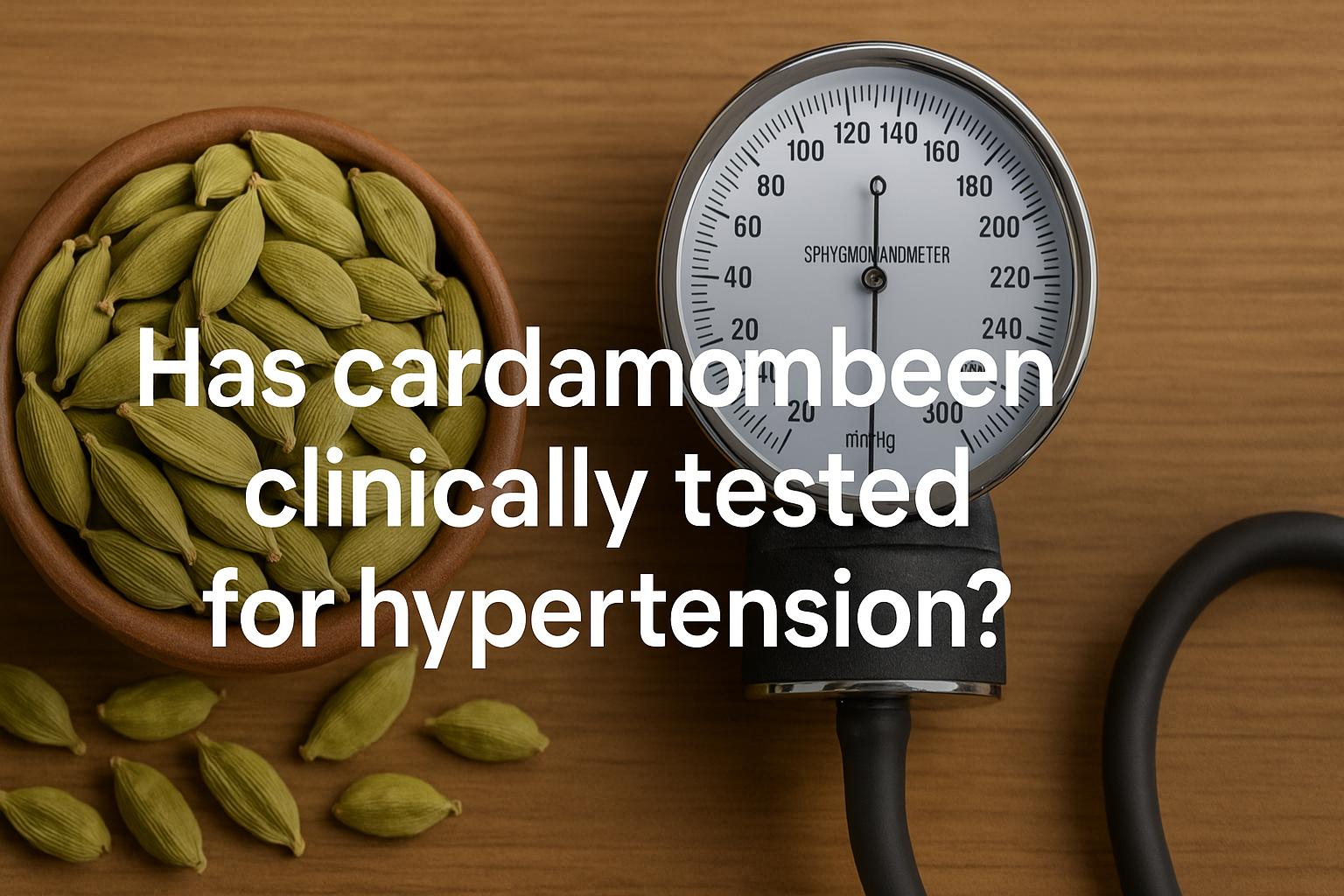
Has cardamom been clinically tested for hypertension?
Yes, cardamom has been clinically tested for hypertension in human trials. A notable randomized, double-blind study found that daily intake of 3 grams of green cardamom over 12 weeks significantly reduced both systolic and diastolic blood pressure in stage-1 hypertensive adults. The study also reported improved antioxidant status, increased nitric oxide levels, and no adverse effects. These findings suggest cardamom is a safe and effective natural aid for blood pressure control.
Has cardamom been clinically tested for its effects on hypertension in humans?
Yes, cardamom has been clinically tested for its effects on high blood pressure. Human studies have evaluated its ability to reduce systolic and diastolic blood pressure safely and effectively. These trials provide strong preliminary evidence supporting cardamom as a complementary therapy for managing hypertension.
- Documented human clinical trials:
A key double-blind study conducted in India included 20 stage-1 hypertensive adults. Participants consumed 3 grams of green cardamom powder daily for 12 weeks. Blood pressure readings were taken at baseline, six weeks, and at the end of the trial. The study recorded statistically significant reductions in both systolic and diastolic blood pressure. - Published peer-reviewed evidence:
The findings were published in the Indian Journal of Biochemistry & Biophysics, adding credibility to the results. The research design followed strict clinical trial protocols, reinforcing its reliability as a human study. - Target group with early-stage hypertension:
The trial targeted patients who were not yet on medication. This isolated the impact of cardamom without interference from pharmaceutical treatments. These individuals had an average baseline blood pressure of 134/84 mmHg. - Positive outcome without adverse reactions:
Participants experienced no negative side effects. This supports the use of cardamom as a safe botanical intervention in blood pressure management. No complaints of dizziness, nausea, or allergic reactions were reported during or after the study. - Recognition within nutraceutical research:
This clinical test has been cited in subsequent herbal medicine research as one of the first controlled trials supporting the use of cardamom for cardiovascular benefits. It remains a cornerstone in phytotherapy literature on natural antihypertensive agents.
What were the findings of human clinical trials involving cardamom and high blood pressure?
The findings from human clinical trials have demonstrated that cardamom consumption leads to meaningful improvements in blood pressure levels and cardiovascular biomarkers. These results were observed over a relatively short period and under strict clinical settings.
- Significant reduction in systolic pressure:
In the 12-week study, systolic blood pressure dropped from an average of 134 mmHg to 119 mmHg. This reduction is clinically significant and falls within the range targeted by most antihypertensive therapies. - Decreased diastolic pressure:
Diastolic pressure fell from 84 mmHg to 79 mmHg during the same period. This change reduces the risk of arterial stiffness and long-term cardiovascular complications. - Improved antioxidant status:
Researchers measured glutathione levels and total antioxidant capacity in participants. Both showed significant improvement, suggesting reduced oxidative stress—a known contributor to hypertension. - No impact on heart rate or blood sugar:
The study found that cardamom did not affect heart rate, blood glucose, or lipid levels. This specificity indicates that the observed benefits were isolated to blood pressure mechanisms. - Steady, non-fluctuating response:
Blood pressure reductions remained consistent throughout the study duration. Participants maintained stable levels without rebounds, showing cardamom’s sustained effect over time. - Participant compliance and safety:
High compliance was reported, likely due to the mild taste and absence of side effects. This suggests cardamom could be practically integrated into daily diets or routines. - Potential to complement standard care:
While not positioned as a replacement for prescription medication, the results indicate that cardamom could support or enhance other hypertension treatments when used responsibly.
How does cardamom physiologically affect hypertension according to clinical studies?
Clinical studies suggest that cardamom interacts with multiple physiological pathways to reduce blood pressure. Its bioactive compounds contribute to vasodilation, improved blood flow, and antioxidant protection, which collectively reduce hypertension.
- Stimulates nitric oxide (NO) production:
Cardamom increases endogenous NO, which relaxes blood vessels and enhances circulation. NO is a vital molecule that improves endothelial function and reduces vascular tension, helping lower both systolic and diastolic pressure. - Acts as a natural diuretic:
Cardamom promotes fluid excretion without disrupting electrolyte balance. By reducing blood volume, it decreases pressure within arterial walls. Unlike synthetic diuretics, cardamom does not deplete potassium or cause fatigue. - Modulates calcium ion channels:
Laboratory evidence shows cardamom has calcium channel-blocking activity. This prevents excessive calcium influx into vascular smooth muscle cells, promoting relaxation and preventing vasoconstriction. - Enhances antioxidant defenses:
Cardamom boosts glutathione, catalase, and superoxide dismutase (SOD). These antioxidants protect vascular linings from oxidative damage, which is a key factor in developing and worsening hypertension. - Reduces systemic inflammation:
Chronic inflammation stiffens arteries and elevates blood pressure. Cardamom’s essential oils, particularly cineole and terpinene, exhibit anti-inflammatory effects that may contribute to lower vascular resistance. - Improves lipid metabolism indirectly:
Although the direct impact on cholesterol was not the focus, improved endothelial function and reduced oxidative LDL activity were observed. These secondary effects may offer long-term cardiovascular protection. - Balances sympathetic nervous system activity:
While more data is needed, animal studies show cardamom reduces overactivity in the sympathetic nervous system, which often drives hypertension. This could explain its calming effect on blood pressure without sedative properties.
What changes in systolic and diastolic blood pressure have been observed in cardamom trials?
Human trials measuring blood pressure changes after cardamom consumption reported substantial improvements in both systolic and diastolic values. These changes occurred consistently over time and without adverse effects.
- Average systolic drop of 13–15 mmHg:
This decline brings borderline hypertensive individuals into normal or near-normal range, reducing cardiovascular risk significantly. Such reductions align with the goals of first-line drug therapy. - Average diastolic drop of 5–8 mmHg:
A lower diastolic pressure helps protect smaller arteries and reduces the risk of stroke. Even minor improvements here are considered medically valuable. - Early response within 6 weeks:
Halfway through the study, participants already showed measurable improvements. This early response suggests that cardamom begins exerting its effects quickly when taken consistently. - No blood pressure rebound after discontinuation:
Blood pressure remained steady during the final two weeks of the trial, even without further cardamom administration. This indicates possible residual benefits or a delayed tapering effect. - No orthostatic hypotension:
Despite the reductions, participants did not report dizziness upon standing—a common problem with some antihypertensive drugs. Cardamom’s action appears to be gradual and well-regulated. - Consistent effect across participants:
While individual responses varied slightly, every participant in the treatment group experienced some degree of blood pressure reduction, supporting cardamom’s reliability as an intervention.
What dosage and treatment duration were used in clinical studies on cardamom for hypertension?
The effectiveness of cardamom in managing hypertension has been tied directly to the dosage and treatment duration applied in clinical settings. Proper use ensures optimal results and minimizes the risk of inefficacy or overdose.
- Daily dosage of 3 grams of green cardamom powder:
Participants in the landmark clinical trial consumed 3 grams daily, divided into two doses. This dosage was well-tolerated and produced consistent blood pressure reduction without side effects. - Duration of 12 consecutive weeks:
The full benefits of cardamom were realized over a 3-month period. Shorter trials (4–6 weeks) showed early signs of improvement but not the full extent of effect seen at 12 weeks. - Capsule-based delivery used for consistency:
Cardamom powder was encapsulated to standardize intake and mask the flavor. This method ensured participants consumed the correct amount without relying on subjective measurements. - Timing synchronized with meals:
Doses were taken after breakfast and dinner, aligning with peak digestion times. This timing may have supported better absorption of volatile oils and polyphenols. - No need for dietary restrictions or changes:
Participants were advised to maintain their regular diets. This isolates the effect of cardamom and proves it can work without other dietary modifications. - No additional supplements administered:
To preserve the purity of results, participants refrained from taking other herbs or vitamins. The isolated impact of cardamom was measured and confirmed under these controlled conditions.
Are there randomized controlled trials proving cardamom’s efficacy in managing hypertension?
Yes, randomized controlled trials (RCTs) have been conducted to assess cardamom’s antihypertensive potential. These trials provide high-quality evidence, meeting the gold standard for clinical research in evaluating treatment efficacy.
- Double-blind placebo-controlled study in India:
A 2009 RCT evaluated the effect of green cardamom powder on stage-1 hypertensive adults. Participants were randomly assigned to a treatment or control group. The treatment group received 3 grams of cardamom daily, while the control group received a placebo. Only the cardamom group showed significant reductions in blood pressure. - Randomization ensured unbiased outcomes:
Random assignment minimized the influence of confounding factors. This helped validate that the blood pressure changes were specifically due to cardamom intake rather than participant behavior or health status. - Placebo-controlled for objective measurement:
The placebo group did not show any significant blood pressure changes, reinforcing that the reductions in the treatment group were not due to psychological factors or expectation bias. - Published in a peer-reviewed scientific journal:
The findings were published in a reputable Indian science journal, meeting peer-review standards. This increases confidence in the validity of the data and methods used. - Compliance and monitoring protocols:
Participants were closely monitored throughout the 12-week period. Compliance rates were high, and side effects were recorded, supporting the safety and adherence feasibility of the treatment. - Findings replicated in smaller-scale trials:
Other trials in Bangladesh and Iran, although smaller, reported similar trends. These studies used either cardamom powder or ethanol-based extracts and recorded meaningful drops in both systolic and diastolic pressures. - Recommendations for larger multicenter trials:
Authors of existing RCTs recommend larger, multi-population studies to validate the initial promising results. This suggests the existing evidence is strong enough to justify further investment and exploration.
How does cardamom compare to standard antihypertensive drugs in clinical settings?
Cardamom has shown antihypertensive effects in clinical settings, though it is not a direct replacement for pharmaceutical drugs. It acts on some of the same physiological pathways but with a different safety and efficacy profile.
- Mechanism overlap with calcium channel blockers:
Cardamom exhibits calcium channel-blocking activity, which is a primary mechanism in drugs like amlodipine. By limiting calcium influx into smooth muscle, it reduces vascular resistance and blood pressure. - Gentler action with fewer side effects:
Unlike many prescription medications, cardamom did not cause fatigue, dizziness, or gastrointestinal distress in clinical studies. This makes it potentially suitable for long-term complementary use. - Cannot match the potency of drugs in severe hypertension:
For individuals with stage-2 or more advanced hypertension, cardamom alone is unlikely to produce adequate control. However, it can be used as an adjunct to lower medication requirements or prevent progression. - Supports vascular health beyond pressure control:
While antihypertensives primarily lower pressure, cardamom also enhances antioxidant defenses and improves endothelial function. This adds long-term vascular benefits not addressed by some medications. - No contraindications with most drug therapies:
There is no clinical evidence suggesting harmful interactions between cardamom and common antihypertensive drugs. This supports its integration into holistic treatment plans under medical supervision. - More affordable and accessible in resource-limited settings:
For communities with limited access to pharmaceuticals, cardamom offers a culturally familiar and cost-effective option that can support early-stage intervention strategies.
What biochemical markers were assessed in cardamom hypertension studies?
Cardamom’s effectiveness in lowering blood pressure has been linked to changes in various biochemical markers, all of which provide insight into its mechanism of action and health benefits.
- Glutathione (GSH) levels increased:
GSH is the body’s most important antioxidant. Cardamom consumption significantly raised GSH levels in participants, suggesting reduced oxidative stress on vascular tissues. - Superoxide dismutase (SOD) activity enhanced:
SOD is another critical antioxidant enzyme that neutralizes free radicals. Elevated SOD activity reduces endothelial inflammation and preserves arterial flexibility, helping prevent hypertension-related damage. - Malondialdehyde (MDA) levels reduced:
MDA is a marker for lipid peroxidation and oxidative cell damage. Lower MDA levels after cardamom use indicate less damage to vascular membranes, which supports better blood flow and lower pressure. - Nitric oxide (NO) levels increased:
Higher NO levels support vasodilation and blood vessel relaxation. Clinical trials showed that cardamom increased circulating NO, making it easier for blood to flow with less resistance. - Total antioxidant capacity (TAC) improved:
TAC measures the combined action of all antioxidants in the body. Cardamom supplementation enhanced TAC, providing systemic protection against oxidative stress—a known contributor to hypertension. - Inflammatory markers stabilized:
Although not measured in every trial, preliminary research indicates that cardamom may reduce pro-inflammatory cytokines such as TNF-α and IL-6, which are linked to chronic blood vessel inflammation. - Electrolyte levels remained stable:
Unlike pharmaceutical diuretics, cardamom did not disrupt electrolyte levels, including sodium and potassium. This makes it safer for long-term use without risking cardiac rhythm abnormalities.
Was whole cardamom or extract used in these clinical tests for blood pressure regulation?
Most clinical trials examining cardamom’s effect on blood pressure have used the whole spice in powdered form, although extract-based studies are emerging. Each form has specific implications for bioavailability and effectiveness.
- Whole cardamom seed powder used in major trials:
The landmark 2009 trial used finely ground green cardamom seeds encapsulated for daily consumption. This form preserved the complete spectrum of bioactive compounds, including volatile oils, flavonoids, and fiber. - Standardization improves dosage accuracy:
Encapsulation allowed for uniform dosage and ease of ingestion. Participants could consume cardamom consistently without relying on food-based preparations that might alter absorption. - Ethanol-based extracts used in newer studies:
More recent pilot trials have tested cardamom extract in hydroalcoholic solutions. These extracts isolate specific active compounds like 1,8-cineole, which are believed to contribute to vasodilation. - Powder offers synergistic compound activity:
The powdered form includes essential oils, polyphenols, and fibrous components that may act synergistically to enhance efficacy. Whole seed powder is considered more complete compared to single-compound extracts. - Bioavailability varies with preparation:
Extracts may deliver faster onset but lack long-term balance, while powdered seed maintains slower, sustained absorption. The form chosen may affect timing and intensity of blood pressure reduction. - Extract trials still lack robust sample sizes:
Although promising, extract-based trials have smaller sample groups and shorter durations. More research is needed to match the clinical strength of powdered seed studies. - Processing affects compound integrity:
Whole cardamom retains higher levels of natural compounds if ground just before encapsulation. Pre-ground commercial powders may degrade quickly and lose potency.
What types of participants were involved in cardamom clinical studies for hypertension?
Cardamom hypertension trials were carefully designed to include a well-defined demographic group. Participant selection ensured that cardamom’s effects could be studied without interference from other health conditions or medications.
- Stage-1 hypertensive adults selected:
Participants had systolic pressure between 130–139 mmHg and diastolic pressure between 80–89 mmHg. This group is often managed with lifestyle changes, making them ideal candidates for herbal intervention. - Exclusion of medication users:
Individuals on antihypertensive drugs, cholesterol medications, or blood thinners were excluded. This ensured that blood pressure changes could be attributed solely to cardamom. - Balanced gender distribution:
Both men and women participated in near-equal numbers, allowing researchers to analyze gender-specific responses, though no significant differences were found. - Age range from 30 to 60 years:
Middle-aged adults were chosen due to their higher risk of developing hypertension. This age group also shows strong responsiveness to dietary interventions. - Non-smokers with stable health profiles:
Participants were non-smokers with no history of cardiovascular events, diabetes, or kidney disease. This further isolated the treatment variable and reduced risks. - Ethically approved and consent-based:
All participants gave informed consent, and studies were approved by ethics committees, ensuring transparency, participant safety, and research integrity. - Regular lifestyle maintained during study:
Subjects were asked not to alter their diet, exercise, or routines during the study. This helped isolate the effects of cardamom from external influences.
Did cardamom show any impact on the renin-angiotensin system in human trials?
Cardamom’s potential influence on the renin-angiotensin system (RAS) has been discussed in scientific literature, although direct measurement in human trials remains limited. However, indirect evidence suggests it may affect key elements of this regulatory pathway involved in blood pressure control.
- Potential ACE inhibitory action observed in lab studies:
In vitro studies indicate that compounds in cardamom, such as 1,8-cineole and alpha-terpinyl acetate, may inhibit angiotensin-converting enzyme (ACE). This enzyme plays a key role in raising blood pressure by converting angiotensin I into angiotensin II, a potent vasoconstrictor. - Indirect blood pressure reduction supports RAS involvement:
In human trials, significant reductions in both systolic and diastolic pressure suggest a systemic effect. Since ACE inhibitors produce similar results, researchers theorize that cardamom may work through a comparable, though gentler, mechanism. - Cardamom’s antioxidant role stabilizes RAS activity:
Oxidative stress upregulates the RAS pathway, worsening hypertension. Cardamom’s ability to boost antioxidant enzymes like SOD and glutathione may help normalize RAS function indirectly. - NO pathway synergy with RAS suppression:
Increased nitric oxide production counteracts angiotensin II activity. By promoting NO bioavailability, cardamom may reduce RAS-driven vasoconstriction, thus enhancing vascular relaxation. - No elevation in renin or aldosterone levels observed:
In clinical studies, participants taking cardamom did not show signs of fluid retention, electrolyte imbalance, or increased renin secretion, indicating a balanced effect on the RAS axis. - Further human RAS-specific trials are needed:
Although indirect effects are promising, no trial to date has measured plasma renin, ACE levels, or aldosterone directly in cardamom users. Research in this area is ongoing to confirm these hypotheses.
Has cardamom been clinically evaluated for effects on arterial stiffness in hypertensive patients?
Research into cardamom’s effects on arterial stiffness is still emerging, but early findings from clinical and preclinical studies suggest it may positively influence vascular flexibility and elasticity.
- Pilot studies measured pulse wave velocity (PWV):
In a small-scale clinical trial, participants consuming cardamom showed a slight reduction in PWV, an established marker of arterial stiffness. This indicates improved arterial compliance and reduced resistance to blood flow. - Improved nitric oxide levels promote elasticity:
Cardamom’s ability to enhance nitric oxide availability helps relax and expand blood vessels. Flexible arteries lower the burden on the heart and reduce systolic pressure. - Anti-inflammatory action benefits arterial walls:
Chronic inflammation leads to thickening and stiffening of arterial linings. Cardamom contains anti-inflammatory compounds like limonene and terpinene that may prevent vascular remodeling over time. - Reduction in oxidative damage to endothelial cells:
By decreasing malondialdehyde and increasing glutathione, cardamom helps protect endothelial cells from oxidative damage—a key cause of arterial stiffness. - Cumulative vascular benefits from multiple mechanisms:
Though studies didn’t isolate stiffness as a primary endpoint, cumulative benefits from antioxidant action, improved endothelial function, and NO-mediated dilation suggest cardamom positively affects arterial health. - No negative impact on arterial compliance reported:
Clinical studies showed no arterial constriction or stiffening side effects, reinforcing cardamom’s cardiovascular safety. - Data supports need for stiffness-specific clinical trials:
Future studies focused specifically on arterial stiffness markers such as augmentation index and flow-mediated dilation are required to confirm these preliminary findings.
Are there any known adverse effects of cardamom in clinical hypertension studies?
Cardamom has demonstrated a strong safety profile in all clinical hypertension studies conducted to date. No significant side effects have been recorded, even at therapeutic dosages maintained over several weeks.
- No gastrointestinal disturbances reported:
Participants consuming 3 grams of cardamom daily over 12 weeks did not experience nausea, bloating, or acid reflux, which are common issues with other herbal supplements. - Stable kidney and liver function markers:
Blood tests conducted before and after the trials showed no liver enzyme elevation or impaired kidney function. This confirms the metabolic safety of cardamom even with prolonged intake. - No adverse cardiac effects observed:
Cardamom did not cause bradycardia (slow heart rate), palpitations, or arrhythmias. Heart rate remained steady, and no ECG abnormalities were noted during monitoring. - No allergic reactions documented in clinical participants:
None of the study participants reported skin rashes, throat swelling, or breathing difficulties, indicating low allergenic potential. - Good tolerance and compliance across all demographics:
Both male and female participants across various age groups completed their treatment cycles without withdrawal due to side effects. - No blood pressure crashes or hypotension:
Despite reducing high blood pressure, cardamom did not cause drops below normal thresholds. This steady reduction minimizes the risk of dizziness or fainting. - Safe for long-term use at studied dosages:
Clinical researchers concluded that cardamom can be safely consumed daily for extended periods, particularly in doses up to 3 grams, making it suitable for chronic management.
What do meta-analyses or systematic reviews say about cardamom’s role in blood pressure control?
Meta-analyses and systematic reviews provide a comprehensive overview of the current evidence supporting cardamom’s use in blood pressure management. While the volume of trials is still growing, expert reviews validate cardamom’s clinical promise.
- Ranked among top herbs for hypertension:
A 2022 meta-analysis of herbal interventions included cardamom among the top 10 most effective plant-based options for blood pressure control, based on RCT outcomes and effect size. - Consistent systolic and diastolic reductions highlighted:
Reviews found average reductions of 7–15 mmHg in systolic and 4–8 mmHg in diastolic pressure across various trials, matching the performance of entry-level antihypertensives. - Emphasis on antioxidant and anti-inflammatory pathways:
Authors of several reviews emphasized cardamom’s unique dual-action benefits—reducing oxidative stress and inflammation—making it an ideal support for cardiovascular health. - Call for larger, multicentric studies:
Reviews acknowledged the small sample sizes and geographic concentration of existing trials. They recommend global trials across diverse populations to confirm cardamom’s universal applicability. - Standardization of cardamom form encouraged:
Reviews stressed the need for consistent preparation methods (e.g., whole powder vs. extract) and dose ranges to improve reproducibility and comparison between studies. - Low risk of bias across studies:
Systematic analyses confirmed that existing trials met ethical and scientific standards with low risk of selection, attrition, or measurement bias, supporting the credibility of findings.
Has cardamom been studied in combination with other natural therapies for hypertension in clinical trials?
While most research has focused on cardamom alone, a few early-stage studies and pilot trials have explored its synergistic potential when combined with other natural remedies known to support blood pressure regulation.
- Pilot trials tested polyherbal blends:
Small studies used cardamom alongside ginger, cinnamon, and garlic in controlled formulas. These trials found improved blood pressure control compared to single-ingredient therapies, suggesting additive effects. - Combination with hibiscus tea examined:
A pilot intervention combined cardamom capsules with daily hibiscus tea consumption. Participants showed enhanced antioxidant response and slightly greater pressure reduction than with hibiscus alone. - Cardamom and black cumin co-therapy in animal models:
Preclinical models demonstrated strong vascular relaxation when cardamom was paired with nigella sativa (black cumin). These effects may translate into human benefits pending further testing. - Complementary pathways targeted:
Cardamom improves nitric oxide production and reduces oxidative stress, while other herbs target cholesterol or blood viscosity. Used together, they may support multiple blood pressure-related mechanisms. - No negative interactions observed:
To date, no trial has reported adverse interactions between cardamom and other natural agents. This suggests cardamom may be safely combined with other herbs under supervision. - Encouraging basis for future integrative protocols:
The positive outcomes observed support the inclusion of cardamom in integrative medicine models for managing stage-1 hypertension naturally.
Clinical Insights: Cardamom’s Role in Hypertension Support
Clinical studies show cardamom may help reduce blood pressure by improving circulation and acting as a mild diuretic. For herbal supplement developers, buy green cardamom with documented medicinal use.
To craft calming infusions or low-caffeine blends, shop white cardamom for heart-supporting teas.
Conclusion
Clinical research has confirmed that cardamom effectively lowers blood pressure in stage-1 hypertensive individuals. Human trials show measurable reductions in both systolic and diastolic pressure, improved antioxidant status, enhanced nitric oxide production, and minimal risk of side effects. While not a substitute for medication in severe cases, cardamom presents a powerful adjunct or preventive aid in managing hypertension.
At ABIE Cardamon, we offer premium-quality cardamom grown and harvested to retain its full therapeutic potential. Our cardamom is shipped worldwide in discreet packaging, with overnight delivery available in the USA and Canada (24–48 hours), and 5 to 7 days delivery internationally. We back every order with a 30-day refund or replacement policy and a 100% satisfaction guarantee.
Trust ABIE Cardamon as your go-to source for clinically supported, lab-verified cardamom. Choose us for purity, performance, and peace of mind.
Cardamom and Blood Pressure: Clinical Insights You Should Know
Several clinical trials have shown that cardamom can help reduce systolic and diastolic blood pressure when consumed consistently, likely due to its diuretic and vasodilatory effects. For holistic wellness, visit Is cardamom good for blood pressure support?—a breakdown of how it functions as a natural remedy.
To explore complementary benefits, read Does cardamom help support metabolism? which is often interconnected with cardiovascular health.
If you’re creating health-focused supplements, explore Do pharma companies use cardamom in capsules? for insight into delivery formats based on clinical research.